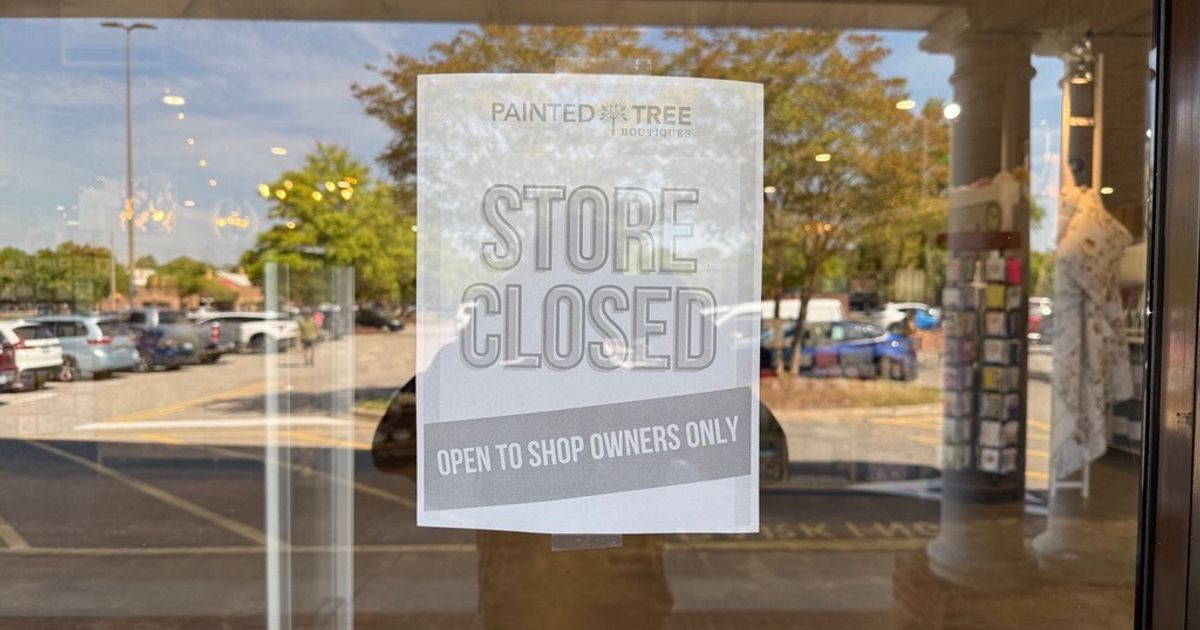
Painted Tree Boutiques is shutting down all operations immediately across more than 60 stores nationwide, including locations in Raleigh and Cary, giving shop owners just a 10-day window to remove inventory by April 24. The company cited rising costs, shifting market conditions, and changing shopping behavior, while shop owners question whether rent and security deposits will be refunded under the agreement terms. The closure and disputed contract language point to significant downside for small business tenants, but the broader market impact should be limited.
This is less an isolated retail closure than a signal that the “managed marketplace” model is breaking when occupancy softens and customers can acquire the same products through cheaper, higher-convenience channels. The key second-order effect is not just lost rent for one operator; it is a near-term liquidity shock to hundreds of micro-vendors who are likely to liquidate inventory into local channels, online marketplaces, and direct social commerce over the next 1-4 weeks, pressuring pricing in adjacent discretionary categories.
The legal structure matters because it highlights asymmetry: vendors carried the working-capital burden while the platform retained termination flexibility. That should raise scrutiny on similar hybrid retail/lease models and could push landlords and small sellers to demand shorter contract durations, larger cash deposits, or third-party escrow, increasing friction for expansion-driven operators in the broader experiential retail space.
From a market lens, the impact is bearish for mall-adjacent specialty retail and for landlords with weaker secondary-market exposure, but potentially positive for national off-price and resale channels that can absorb displaced inventory at a discount. The more important catalyst is whether this becomes a template for other boutique aggregators under pressure from higher occupancy costs and softer discretionary spend; if so, the stress could surface first in small-cap consumer names with opaque tenant quality and short-duration leases.
The contrarian view is that headline bankruptcy/closure risk may be front-loaded while the actual economic damage is dispersed and manageable. If most vendors simply redeploy inventory through Etsy, local Facebook groups, or TikTok Shop, the disruption is more of a channel shift than a broad demand collapse; in that case the winners are logistics, resale, and digital commerce rails rather than pure retail shorts.
AI-powered research, real-time alerts, and portfolio analytics for institutional investors.
Request TrialOverall Sentiment
strongly negative
Sentiment Score
-0.72
