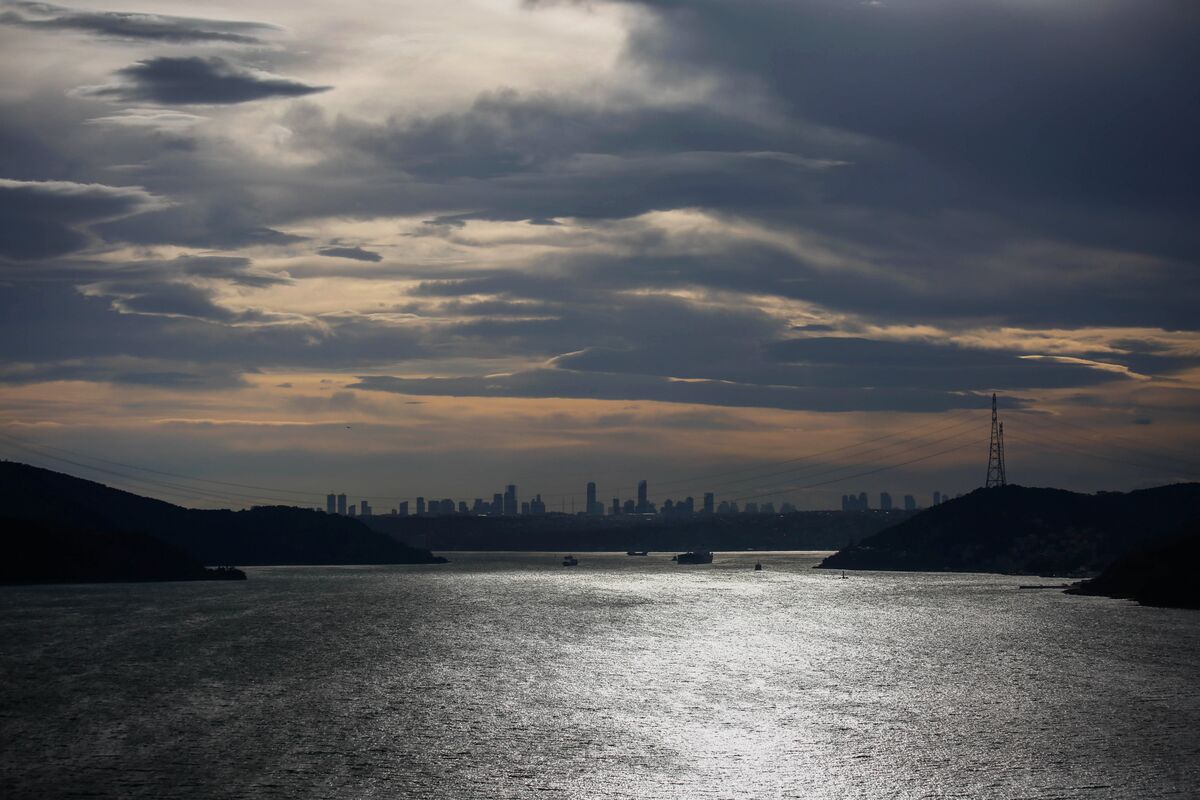
Two sanctioned oil tankers were reportedly struck while crossing the Black Sea off Turkey's coast: the Kairos suffered an onboard explosion and fire and a second vessel, the Virat, was also struck, according to Turkey’s Directorate General for Maritime Affairs and a local port agent. Emergency vessels were dispatched to assist both ships; the incidents raise near-term risks to regional tanker movements, insurance and freight costs, and potential short-term disruption to oil flows, with broader geopolitical and security implications to monitor for energy and shipping exposures.
Market structure: The strikes raise short-term logistics risk for oil flows through the Black Sea and raise a war-risk premium for tanker voyages; I estimate a 5–25% immediate increase in spot tanker freight (BDTI/BDTT proxies) and a $3–$10/bbl knee-jerk impact on Brent if escalatory headlines persist for 1–4 weeks. Winners include commodity traders (Vitol/Trafigura-like trading desks) and owners of global flexible storage; losers are owners/operators with concentrated Black Sea exposure and P&I/war-risk underwriters facing claims and higher premiums.
Risk assessment: Tail scenarios include attribution that triggers sanctions or a temporary closure of Black Sea ports, causing a 0.3–1.0 mb/d effective supply disruption and a prolonged $10–$20/bbl shock; probability low (<15%) but high impact. Near term (days–weeks) volatility and insurance premium moves matter most; medium term (1–6 months) is driven by rerouting costs and contract reallocation; long term (quarters) depends on whether insurers withdraw cover or governments intervene.
Trade implications: Favor small, tactical commodity and freight volatility plays: buy Brent/ICE call spreads 1–3 month tenor and selectively long high-quality oil equities (XOM/CVX) 1–3% position size for oil upside, while avoiding uninsured/time-chartered owners with unknown liabilities. Use options to cap downside (buy-call spreads, long-dated strangles if seeking larger asymmetric payoff) and rotate from cyclical transports into energy infrastructure and selective reinsurers if war-risk premiums are priced richly.
Contrarian angles: The market may underappreciate the insurance/charter-party channel — even isolated incidents can lead to de facto trade restrictions without formal sanctions, extending freight premia for months. Conversely, if attribution is ambiguous and trade reroutes are manageable, an initial oil/freight spike could revert within 2–6 weeks; this argues for option-based or small size directional trades rather than large cash positions.
AI-powered research, real-time alerts, and portfolio analytics for institutional investors.
Request DemoOverall Sentiment
moderately negative
Sentiment Score
-0.30
