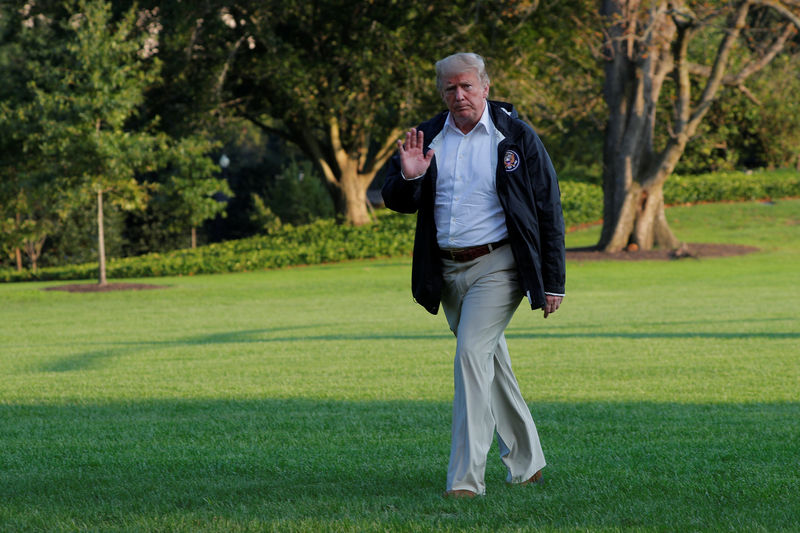
President Trump defended a hawkish U.S. military campaign against Iran, saying the conflict could end quickly if Iran meets unspecified conditions and that U.S. forces could leave immediately but would set Iran back ~15 years. He cited 100 million barrels of Venezuelan oil being refined in Houston and claimed 45,000 protesters have been killed by Iranian authorities; remarks raise geopolitical risk to energy and defense sectors and are likely to drive risk-off flows and sector-level moves in oil and defense stocks.
The immediate market impulse will be risk premia re-rating for chokepoint exposure rather than a straight physical supply shock; shipping insurance, freight rates and short-term liquefaction logistics re-costing will drive most of the near-term winners and losers over days-to-weeks. Expect a step-up in war-risk premiums for Red Sea and Strait transits to increase tanker and container voyage economics by 10–30%, transferring value to owners of large tankers and those with flexibility to re-route, while compressing margins for global integrators and time-sensitive shippers.
Defense and security spending is the multi-quarter macro lever: procurement cycles mean revenue for prime contractors materializes over 6–24 months, so option structures that monetize implied near-term volatility while capturing medium-term trough-to-peak contract flows are preferable to outright equity exposure. Conversely, energy supply-side responses will cap upside after the initial spike — spare capacity from OPEC+ and US shale can be mobilized in 30–90 days, and coordinated SPR releases remain the clearest path to reversion.
A key second-order is political timing: election-driven restrictions on sustained deployments raise the probability of episodic kinetic events rather than a protracted theater war, making volatility recurring rather than trend‑forming. Hence, the best payoffs are in convex instruments (short-dated calls on freight and defense, long-dated call spreads on E&P) and relative-value trades that benefit from episodic rate shocks but protect against rapid diplomatic de-escalation within 60–90 days.
AI-powered research, real-time alerts, and portfolio analytics for institutional investors.
Overall Sentiment
mildly negative
Sentiment Score
-0.30
