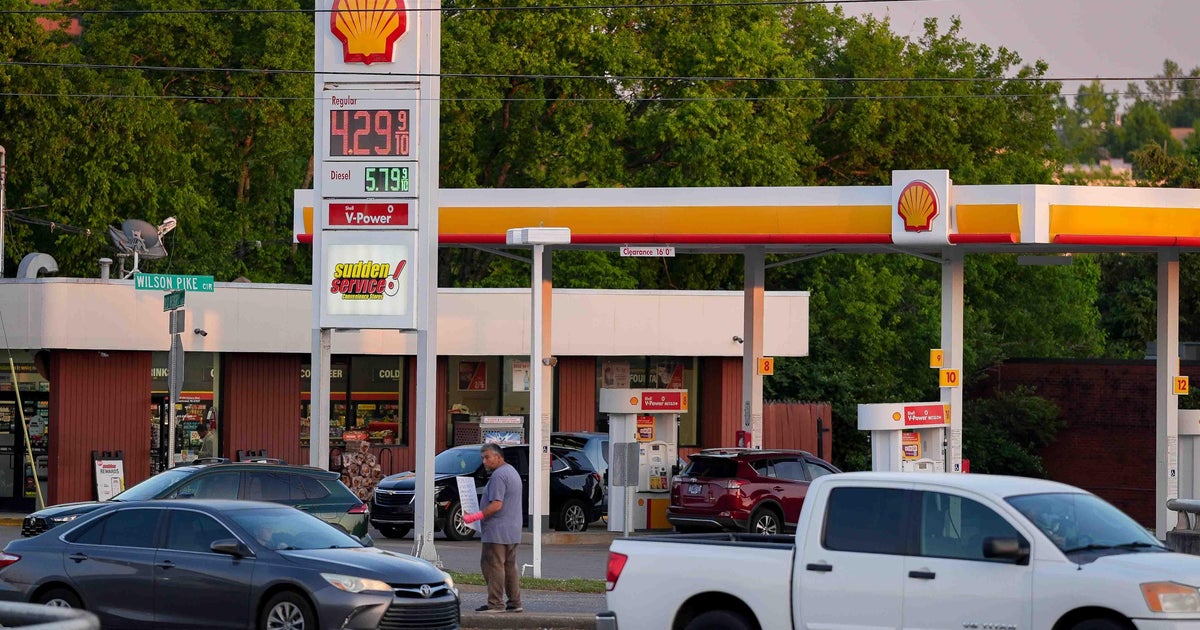
U.S. gas prices are expected to remain elevated for months, with Moody’s Mark Zandi saying they likely won’t fall below $3 a gallon this year absent a major economic shock and forecasting a year-end level closer to $3.50. The national average was $4.02 on Tuesday, after peaking at $4.17 on April 9, as the Iran conflict disrupted oil flows through the Strait of Hormuz. Experts say prices could stay volatile or even rise further due to geopolitical risk, hurricane season, and higher summer demand.
The key market implication is not the headline level of gasoline, but the persistence of an inflation impulse that arrives just as consumers had started to re-lever their spending plans. Energy is regaining pricing power faster than it is losing it, which means nominal household outlays stay elevated even if crude backs off in bursts. That is a negative setup for discretionary retail, travel, and small-ticket transportation-sensitive demand over the next 1-2 quarters, especially in the lower-income cohort where fuel is a binding expense rather than a nuisance. For markets, this is more important as a margins story than an energy-equity story. Input-cost pressure will likely show up first in transport, package delivery, airlines, and consumer staples with limited pricing lag, while upstream energy and refiners retain the advantage of asymmetric pass-through. The second-order effect is that every sustained $0.25-$0.50/gal move higher functions like a hidden tax on consumption, which can slow volumes before it is visible in headline CPI—meaning the earnings impact can precede the macro data by one reporting cycle. The contrarian issue is that consensus may be underestimating how quickly prices can mean-revert if geopolitical risk premium fades, but overestimating how much relief that actually creates for households. Even if gasoline trends lower, the adjustment in retail pricing is sticky on the downside, so consumer purchasing power may not recover at the same pace. That makes the trade asymmetric: short-duration pain for consumers now, but limited upside for energy shorts unless supply disruption genuinely unwinds and stays unwound for several months. The cleanest catalyst set is summer demand plus any escalation in Middle East shipping risk or hurricane-related Gulf disruption. Conversely, a credible de-escalation, reopening of key transit routes, or a broad risk-off growth scare could compress prices quickly; the market should treat any sub-$3 gasoline narrative as a recession call, not a benign disinflation signal.
AI-powered research, real-time alerts, and portfolio analytics for institutional investors.
Request DemoOverall Sentiment
moderately negative
Sentiment Score
-0.25
Ticker Sentiment
