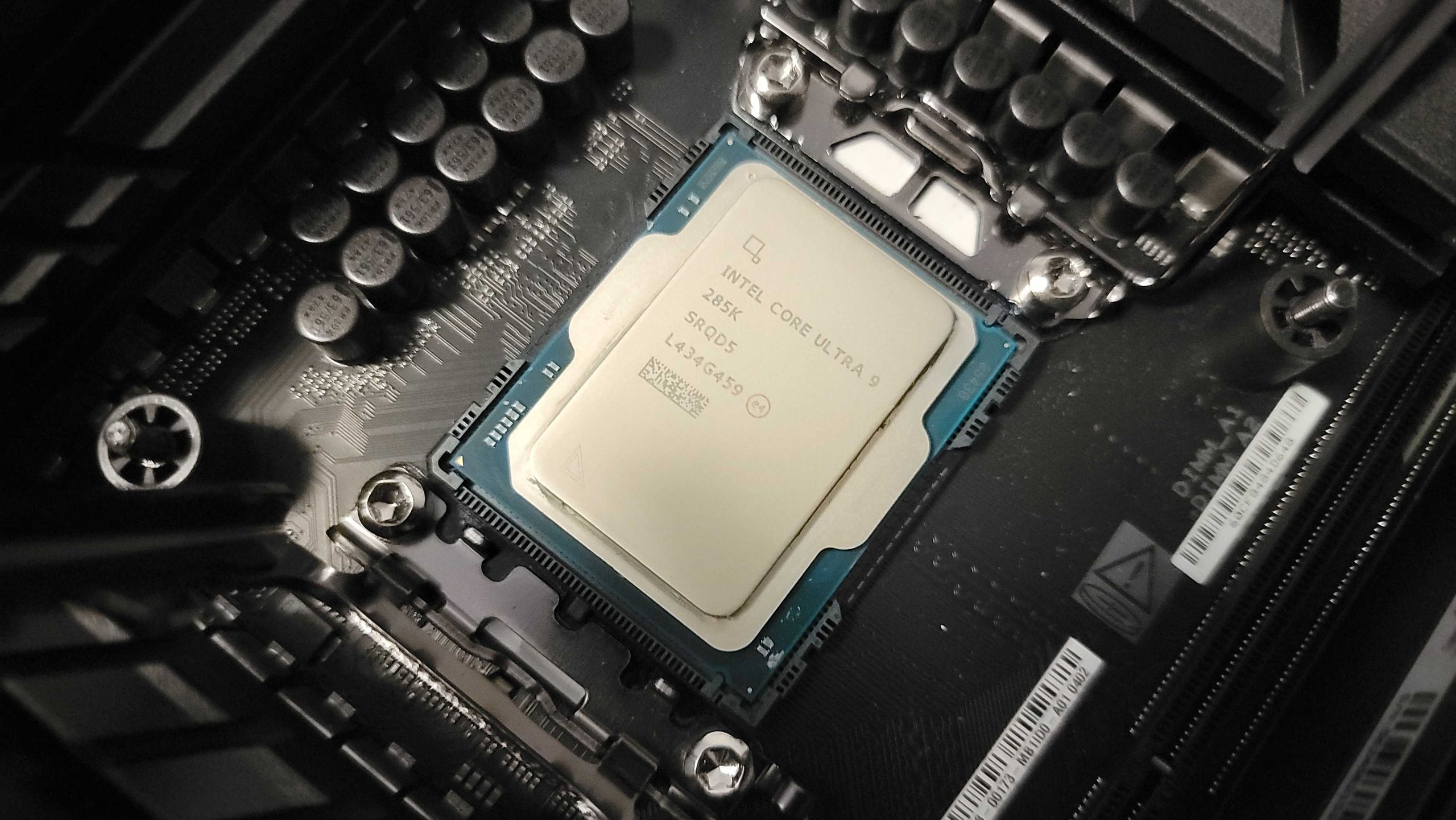
Intel confirmed it has cancelled the Core Ultra 9 290K Plus and an Arrow Lake 'KS' Special Edition SKU. Rumors indicated the 290K Plus would have been only a 200–300MHz clock bump over the 270K Plus and ~10–11% faster than the 285K in Geekbench 6, making it a weak value proposition versus the Core Ultra 7 270K Plus (listed at a $300 MSRP). Intel instead launched the Core Ultra 7 270K Plus and Ultra 5 250K Plus this week, which add four E-cores, higher clock speeds and hardware iBOT integration. The moves trim Intel's top-end enthusiast roadmap but are unlikely to be materially market moving.
This SKU pruning tightens Intel’s product funnel at the high end and will likely compress client-CPU ASPs in the near term as the company leans on fewer SKUs to hit demand buckets. With fewer ultra-premium permutations to upsell, OEMs and channels will have more pricing leverage around the $250–$400 segment, which can translate into mid-single-digit percentage pressure on reported client CPU ASPs over the next 1–2 quarters unless Intel offsets with pricing or promotional programs.
A key second-order winner is the incumbent competitor in high-performance desktop segments: a thinned Intel roadmap increases the optionality for share shifts among power users and boutique builders, particularly in the 3–12 month window before next-generation sockets reset platform incentives. Conversely, motherboard and boutique cooling vendors face SKU simplification risk that could depress ASPs and accessory attach rates for one product cycle, tightening their near-term revenue growth vs. seasonal expectations.
Intel’s software-led differentiation (iBOT-style microarchitectural fixes) becomes strategically more important as hardware breadth narrows; improving effective IPC through software raises switching costs and can offset lost hardware price premium over a 6–12 month horizon. The immediate catalyst set to watch: OEM channel checks and Intel’s next quarterly guide; those will reveal whether the strategy is margin-preserving (software/high-volume pivot) or a de facto concession to competitive pressure that will show up in share metrics within two quarters.
Key risks that could reverse the drift are rapid cadence announcements from competitors, unexpectedly strong demand for next-gen platforms (which would validate retaining high-end SKUs), or channel inventory surprises that force fire-sales. A disciplined trading approach should time size around upcoming OEM/earnings windows and treat this as a 3–12 month tactical reallocation rather than a permanent structural verdict on Intel’s moat.
AI-powered research, real-time alerts, and portfolio analytics for institutional investors.
Request DemoOverall Sentiment
neutral
Sentiment Score
0.00
Ticker Sentiment
