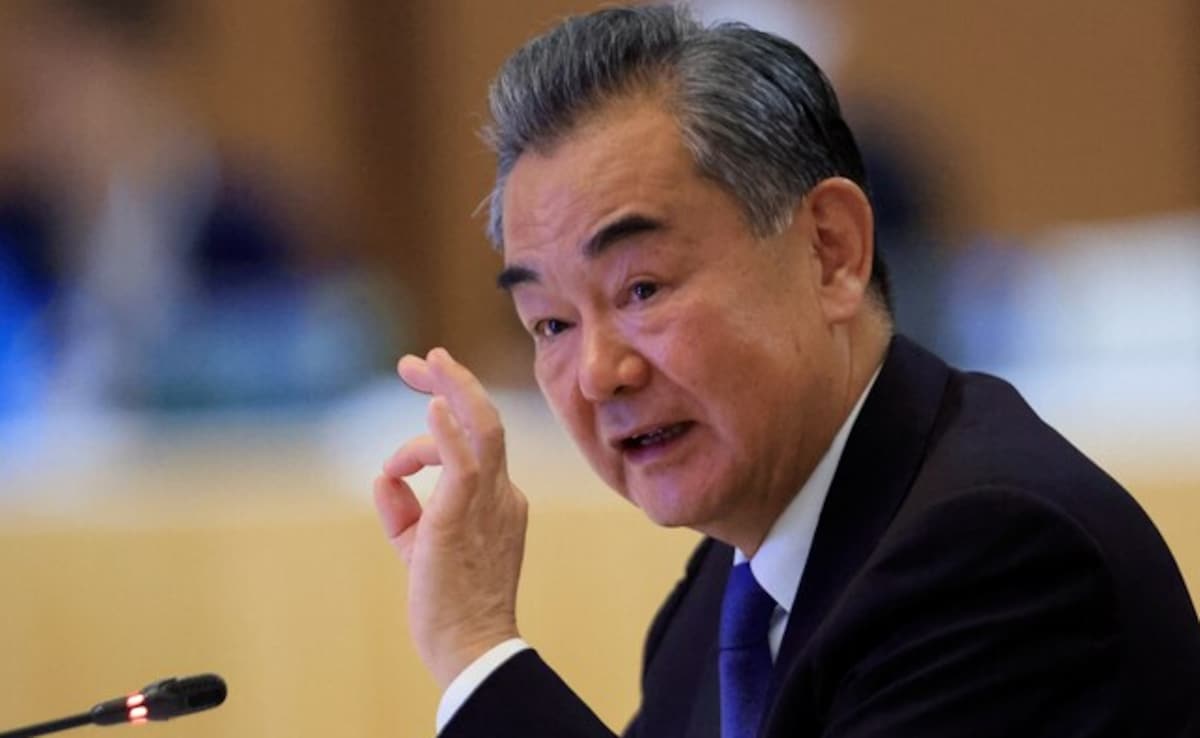
China announced a joint "five-point initiative" to restore peace in the Gulf and Middle East, marking a stepped-up diplomatic push amid the US-Iran conflict. Beijing's unease over Pakistan's outreach to the US—highlighted by PM Shehbaz Sharif and Army Chief Asim Munir's June 2025 White House meeting—raises risks to China-Pakistan strategic and BRI cooperation and could affect regional defense collaboration, intelligence sharing, and investor perceptions of stability in South Asia.
Beijing’s public peace push is best read as strategic hedging, not altruism: it buys China time to insulate BRI cashflows and avoid direct contagion from a wider US-Iran or India-Pakistan escalation while testing Islamabad’s political bandwidth to “multi-align.” Expect China to accelerate non-military levers — concessional financing, expedited CPEC tranche disbursements, and commercial diplomacy — within a 3–12 month window to keep Pakistan economically tethered even if security ties fray.
A concrete second-order effect is accelerated US technical access to Pakistani platforms if Washington deepens cooperation; even limited diagnostics, IMINT/ELINT cooperation, or maintenance agreements could reveal sensitivity around Chinese avionics, radars and communications systems. Over 6–24 months that information flow raises recurring revenue opportunities for US defense primes (maintenance, upgrades) and increases program stickiness for Western-Sourced C5ISR solutions across South Asia.
On the flip side, Chinese heavy-equipment and contractor revenue tied to Pakistan infrastructure faces a binary outcome: either Beijing doubles down with faster financing to lock projects (short-term upside to Chinese SOEs) or scales back exposure if Islamabad signals material tilt to Washington (tail risk to equity valuations over 12–36 months). The immediate market implication is greater idiosyncratic volatility in BRI-dependent names and a pickup in regional political risk premia priced into EM debt and equity.
AI-powered research, real-time alerts, and portfolio analytics for institutional investors.
Overall Sentiment
mildly negative
Sentiment Score
-0.20
