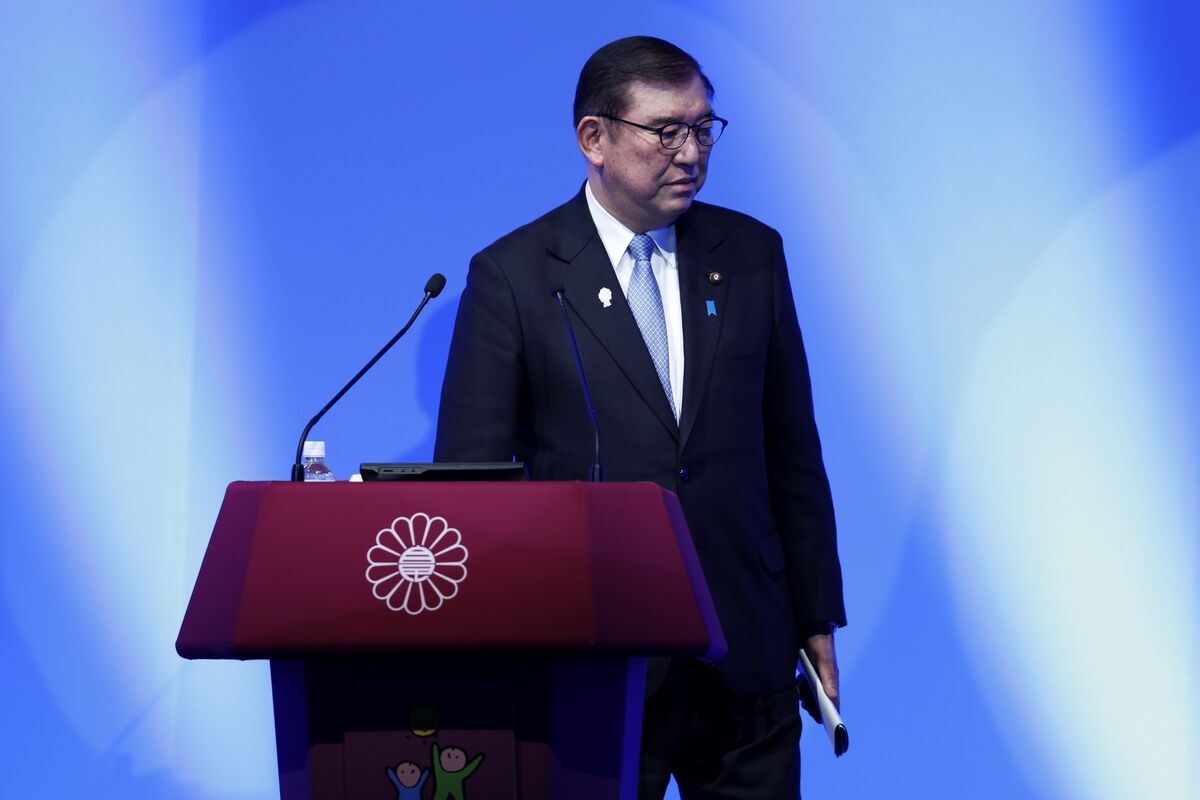
The rising cost of rice in Japan, which has more than doubled in the past year, is threatening Prime Minister Shigeru Ishiba's political standing, drawing parallels to historical peasant revolts tied to rice prices; the surge is impacting household budgets and leading to drastic measures like schools reducing rice in lunches, highlighting the staple food's critical role in the nation.
The significant escalation in rice prices in Japan, which have more than doubled over the past year, is exerting considerable pressure on household budgets and prompting austerity measures, such as schools reducing rice in lunches—a critical component of child nutrition in the country. This surge in a fundamental commodity cost, indicative of broader inflationary trends, poses a substantial political risk to Prime Minister Shigeru Ishiba's government, underscored by a ministerial resignation and historical precedents linking rice affordability to social stability. The situation highlights the acute sensitivity of the Japanese economy and political landscape to staple food inflation, potentially impacting consumer behavior and domestic political dynamics.
AI-powered research, real-time alerts, and portfolio analytics for institutional investors.
Request DemoOverall Sentiment
Negative
Sentiment Score
-0.60
