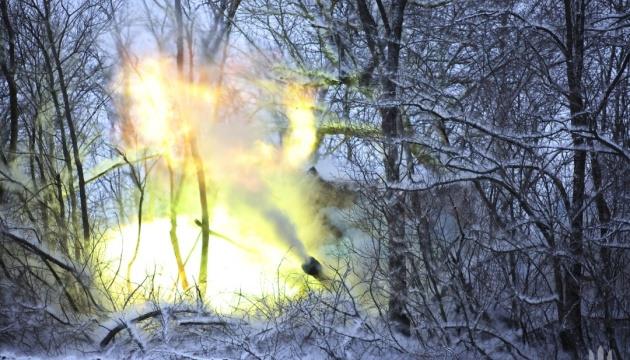
Ukraine's General Staff reported 211 clashes across the frontline in the past day with the heaviest fighting near Pokrovsk; it said Russian forces carried out one missile strike and 67 air strikes (using 174 guided aerial bombs), launched 2,702 attacks including 45 MLRS strikes, and employed some 4,812 kamikaze drones. Ukrainian units repelled multiple assaults across sectors (notably 40 repelled actions in the Pokrovsk sector and 36 in Huliaipole), and Kyiv cited Russian combat losses of ~900 personnel over the past day and ~1,211,530 since Feb 24, 2022; the sustained intensity reinforces geopolitical risk and a likely continued risk-off environment with potential for localized commodity/energy volatility.
Market structure: Near-term winners are large Western defense primes (Lockheed Martin LMT, Northrop Grumann NOC, RTX) and niche counter-UAS/ISR suppliers (Teledyne TDY, FLIR/now Teledyne components) as demand for munitions, drones and counter-drone gear increases; expect 6–12 month revenue tailwinds and pricing power that can lift margins by 200–400 bps if new orders materialize. Losers include Ukrainian domestic assets, regional insurers/shippers (higher war-premiums), and agricultural exporters — grain/fertilizer flows disruption supports higher agricultural commodity prices and freight rates for months.
Risk assessment: Tail risks include escalation to strikes on European energy infrastructure or NATO entanglement — a low-probability shock that could send Brent +$20 in 30 days and equities -15–25% in a week. Immediate (days) volatility will remain elevated (VIX spikes to 25–35), short-term (weeks–months) favors defense and energy, while long-term (quarters–years) depends on sustained Western aid; hidden dependencies include semiconductor/precision-gear supply chains and export-control regimes that could blunt defense production. Key catalysts: US/European aid votes (next 30–90 days), large Russian offensive windows (spring), and oil/NG storage reports.
Trade implications: Favor conviction-weighted long exposure to LMT/NOC/RTX (2–4% portfolio each) via 6–12 month call spreads to cap cost; add energy exposure (XOM/XLE 2–4%) if Brent >$85 and scale further at >$95. Use tail hedges: buy 1–2% notional 30–60 day S&P 5%/10% put spreads and 1% allocation to VIX call spreads if VIX <20. Pair trades: long LMT vs short CAT (1–2% each) expecting ~10–15% relative outperformance in 6–12 months.
Contrarian angles: Consensus may have front-loaded defense exposure — risk of a 10–20% unwind if US appropriations stall or supply bottlenecks delay deliveries; monitor congressional aid votes within 30 days as primary reversal signal. Underappreciated upside exists in component suppliers (precision optics, power management, select semis like LRCX/AVGO) which can re-rate if procurement accelerates — consider 1–2% tactical exposure. Also hedge for a stagflation path: sustained commodity-driven CPI lift could force central banks to keep rates higher, compressing multiples across growth names.
AI-powered research, real-time alerts, and portfolio analytics for institutional investors.
Request DemoOverall Sentiment
strongly negative
Sentiment Score
-0.65
