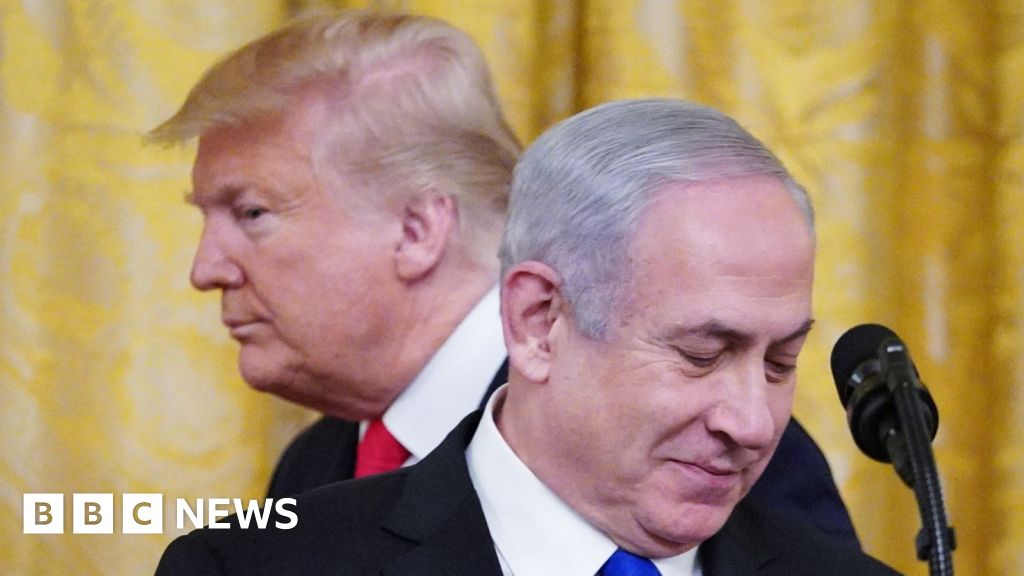
President Trump will host Israeli Prime Minister Benjamin Netanyahu in Florida to press over Gaza ceasefire implementation and the proposed second-phase plan in January (technocratic Palestinian government, international security force, Hamas disarmament and Israeli troop withdrawal). The talks — their sixth since Trump returned 11 months ago — will also cover relations with Syria's new government, alleged Iranian rearmament, Hezbollah, West Bank settlement/annexation moves and possible Israeli requests for US approval of strikes on Iran, all taking place amid a worsening humanitarian situation in Gaza (at least 414 Palestinians killed in the 80 days since the ceasefire and multiple recent deaths from winter storms). The meeting raises regional escalation risk that could pressure risk assets and selectively boost defense names or oil volatility if diplomatic progress stalls or military actions follow.
Market structure: Geopolitical risk from a Trump–Netanyahu meeting that could stall or escalate the Gaza ceasefire structurally benefits US defense primes (Lockheed LMT, Raytheon RTX, Northrop NOC) and commodity producers (energy producers, gold). Losers are Israeli equities and regional EM banks/insurers; shipping and marine-insurance spreads widen if strikes threaten Red Sea routes. Oil/commodity risk premia rise; defense contractors see stronger pricing power via government backlog, lifting near-term revenue visibility by +5–15% consensus revisions if tensions persist for months.
Risk assessment: Tail risks include a US/Israeli strike on Iran or Iranian retaliation that pushes Brent >$100/bbl and gold >$2,500 within 1–3 months, and a broader regional war that causes >30% drawdowns in Israeli equity benchmarks. Immediate (days): volatility spike in FX, equities, oil, gold; Short-term (weeks–months): defense rerating and safe‑haven flows into Treasuries (TLT). Hidden dependencies: US domestic politics (Trump’s leverage) and Netanyahu’s coalition constraints; catalysts include hostage returns, Iranian escalatory signals, or a failed transition to phase two of the ceasefire.
Trade implications: Tactical plays include 12–18 month LEAP calls on LMT/RTX sized 1–3% portfolio each to capture re-rating; 1–2% allocation to TLT or 2‑year futures for immediate flight‑to‑quality; 1% structured exposure to oil via XLE or a 3‑month USO call spread triggered if Brent >$80. Short 2% iShares MSCI Israel (EIS) or buy put spreads if ceasefire stalls >30 days or Israeli policy signals annexation; hedge directional equity risk with VIX call spreads for 1–3 month windows.
Contrarian angles: The market may overpay large primes immediately; mid‑cap suppliers of air‑defense, ISR and reconstruction (smaller names with 20–40% discounts vs. LMT/RTX) are underowned — potential 12–24 month outperformance if procurement accelerates. Also, reconstruction contracts favour large global engineering/materials firms (CRS/Bechtel-type beneficiaries) rather than Israeli SMEs, an outcome many ignoring today. Key unintended consequence: prolonged humanitarian crisis → sanctions/litigation risk for firms operating locally, creating idiosyncratic downside in Israeli real‑estate and banking over quarters.
AI-powered research, real-time alerts, and portfolio analytics for institutional investors.
Request DemoOverall Sentiment
moderately negative
Sentiment Score
-0.40
