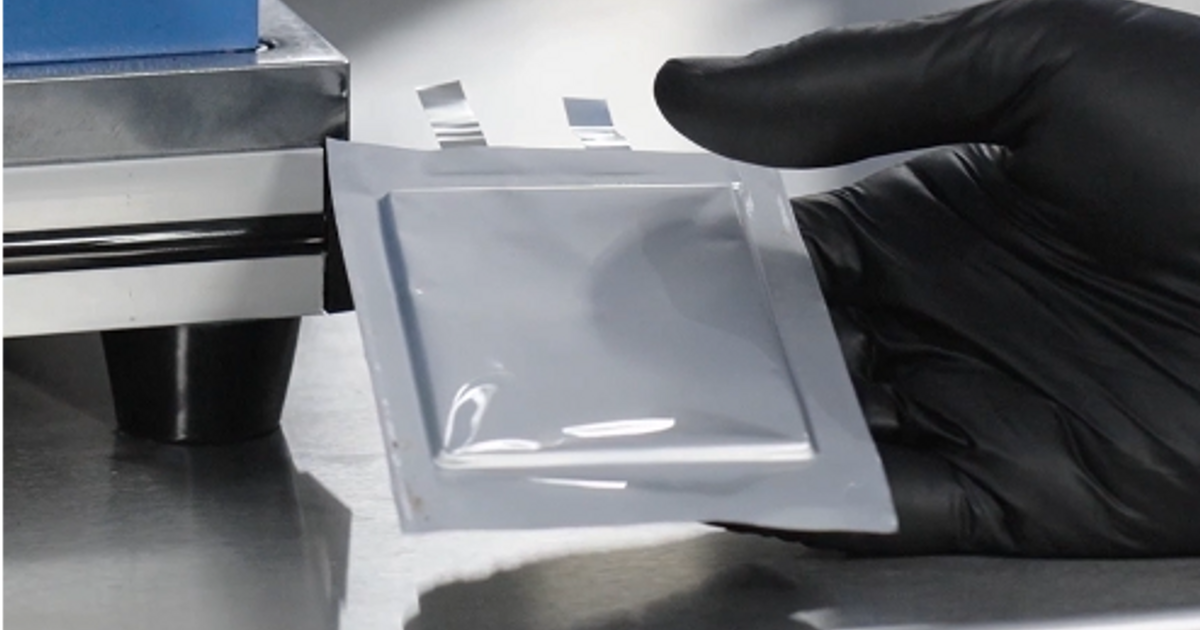
Graphene Manufacturing Group (TSX-V:GMG, OTCQX:GMGMF) has received EPA approval conditions enabling commercial sale of its graphene-based coating across the U.S., a validation that opens a large air-conditioning and data-center heat-exchanger market and follows existing trials and partner orders with Nu-Calgon (4,000 shipment points). The coating claims 10–20% reductions in air-conditioning bills and corrosion protection; first product shipments are expected early next year. Separately, GMG is advancing an aluminum‑ion fast‑charging battery (6‑minute charge), targeting commercial production in 2027, positioning the company for multiple commercialization catalysts across regions including a planned Beijer Ref launch in Australia.
Market structure: EPA approval materially enlarges the addressable market for GMG (TSX-V:GMG / OTCQX:GMGMF) — immediate beneficiaries are GMG, distributor Nu‑Calgon and retrofit-focused HVAC OEMs (Carrier CARR, Trane TT) and data‑center operators (Equinix EQIX, Digital Realty DLR) that can convert 10–20% energy savings into measurable OPEX improvements. Pricing power will be driven by demonstrated ROI: if field trials show ≥10% utility savings over 6–12 months, adopters will accept premiums; capacity/capex to scale coating production is the choke point. Natural‑gas feedstock demand rises marginally (GMG’s process) while utility load reductions for HVAC could slightly depress short‑term wholesale power demand; credit spreads on retrofit finance providers may tighten as projects de‑risk.
Risk assessment: tail risks include revocation/conditional EPA rules, large warranty claims if real‑world savings <10%, scaling failures or IP litigation; politically, state/local permitting could slow roll‑out. Time buckets: immediate (days–weeks) for EPA consent signing and stock flow, short (0–12 months) for first US shipments and initial revenue recognition, long (2027) for aluminum‑ion battery commercialization — each with distinct value inflection points. Hidden dependencies: heavy operational reliance on Nu‑Calgon distribution, manufacturing yield curves, and third‑party verification; catalysts that accelerate value: signed EPA consent, first‑quarter US revenue, and independent field studies reporting >10% savings.
Trade implications: high idiosyncratic risk argues for targeted, size‑limited exposure to GMG (2–3% risk capital) ahead of EPA consent signature and first shipments (expected early 2026), with strict stop (−30%) and staged profit‑taking (+50%, +100% on verified US revenue). Use low‑cost option structures to play incumbents’ upside: buy 12‑month call spreads on Carrier (CARR) or Trane (TT), 25% OTM sized ~1% portfolio to capture retrofit demand while capping premium; rotate 1–2% into data‑center REITs (EQIX/DLR) to capture OPEX tailwinds. Avoid leveraged options on OTCGMGMF due to illiquidity; prefer equity or small notional exposure.
Contrarian angles: market consensus likely underestimates commercialization execution risk and overestimates near‑term battery impact — the aluminum‑ion battery is a 2027 optionality, not a 2026 revenue driver. The initial rally (post‑EPA) could be overdone given manufacturing and verification steps; conversely, the broader HVAC and data‑center benefits are underpriced — if independent field trials validate ≥15% savings, expect a rapid re‑rating of both GMG and retrofit OEMs. Historical parallels: early clean‑tech approvals (fuel cells, early graphene plays) produced multi‑year revenue ramps, not instant scale — plan for serial milestones, not a single catalyst.
AI-powered research, real-time alerts, and portfolio analytics for institutional investors.
Request DemoOverall Sentiment
moderately positive
Sentiment Score
0.55
