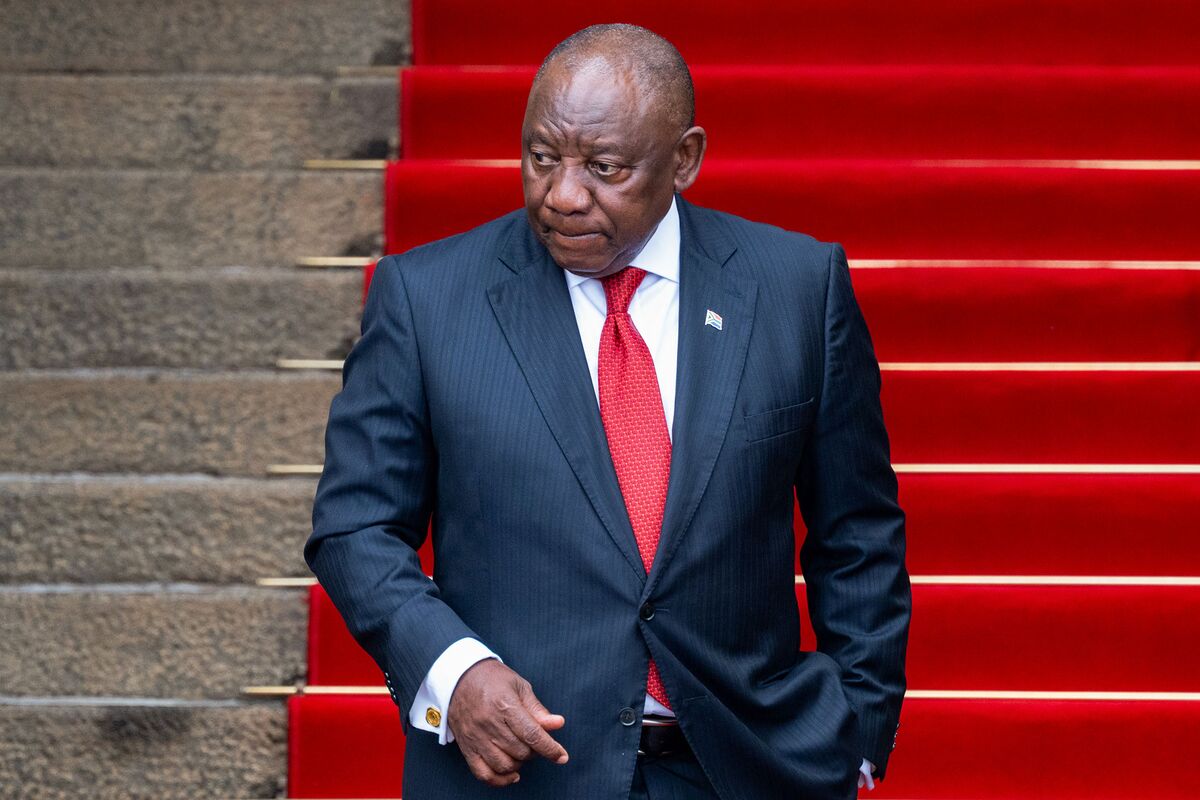
South African President Cyril Ramaphosa is reportedly weighing a cabinet reshuffle, including the potential removal of Deputy Trade, Industry and Competition Minister Andrew Whitfield, a member of the Democratic Alliance, the second-largest party in the ruling coalition. Such changes could signal shifts in government policy or internal coalition dynamics, which warrant close monitoring for their implications on South Africa's political stability and economic outlook.
Reports that South African President Cyril Ramaphosa is considering a cabinet reshuffle introduce significant political uncertainty. The potential dismissal of Deputy Trade Minister Andrew Whitfield is particularly noteworthy, as he represents the Democratic Alliance, the second-largest party within the recently formed ruling coalition. This move, if confirmed, could signal internal friction and instability within the government, potentially jeopardizing its ability to implement cohesive economic policy. The market's reaction, reflected in a moderately negative sentiment score of -0.45, underscores concerns that such a reshuffle could disrupt the political status quo and create headwinds for investor confidence. The unconfirmed nature of the report, cited from an unnamed source, contributes to an uncertain environment, making the stability of the coalition a key variable for South Africa's near-term economic and political outlook.
AI-powered research, real-time alerts, and portfolio analytics for institutional investors.
Request DemoOverall Sentiment
moderately negative
Sentiment Score
-0.45
