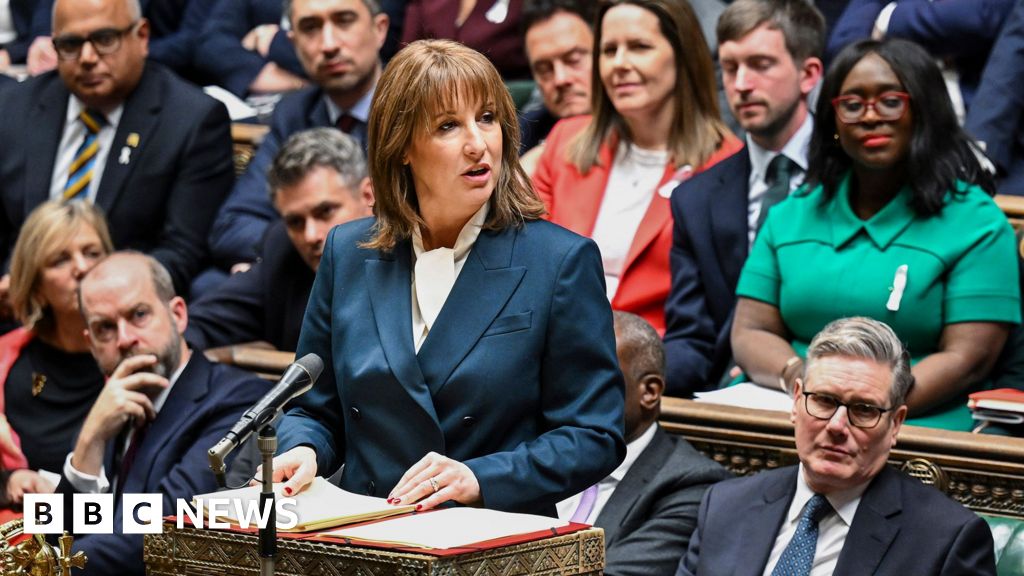
Chancellor Rachel Reeves presented a Budget that leans into significant tax rises — the Institute for Fiscal Studies says the planned increases would be the largest since at least 1970 — while funding expanded social measures such as scrapping the two‑child limit in Universal Credit, which the government estimates will lift about 450,000 children out of poverty (rising to ~550,000 with other measures). The government says the measures are progressive and that it has built extra headroom in its numbers and reduced OBR scrutiny to annual checks to reassure markets, but higher taxes combined with bigger spending increases sovereign borrowing and credibility risks investors should monitor.
Market structure: A big-tax/big-spend Budget is pro-consumption at the lower end and contractionary for high-income discretionary demand. Direct beneficiaries should be UK discount supermarkets and staples (higher real incomes concentrated in lower deciles), while high-end retailers, housebuilders and luxury service providers face margin pressure as top-decile real incomes fall; expect a rotation from cyclicals to defensives over 3–12 months. Financial-market credibility is the key variable: reduced OBR scrutiny and larger fiscal headroom raise tail-risk premium on gilts and GBP in the near term.
Risk assessment: Tail risks include a sovereign-rating shock or a >75bp one-week jump in 10y gilt yields forcing market-funded austerity, and a >5% GBP sell-off if confidence collapses; both are low-probability but high-impact within 0–6 months. Hidden dependencies: policy permanence (legislation vs manifesto) and fiscal offsets (where taxes rise — income vs corporate vs consumption) materially change sector outcomes. Catalysts to watch in the next 30–90 days: OBR fiscal update, any market-driven gilt sell-off, and polling shifts that change policy durability.
Trade implications: Near-term tactical trades favor long UK staples (TSCO.L, SBRY.L 2–3% position each) and short UK housebuilders (PSN.L, BDEV.L 1–2% short) while taking duration risk off balance sheets by shorting long-dated gilts via ICE UK 10y futures sized to target a +50–75bp move in yields over 3–6 months. Hedge FX with a 3-month GBP put spread (buy 1% OTM / sell 3% OTM) sized ~0.5% portfolio to monetize policy credibility shocks; use CDS on 5y UK sovereign as a tail hedge if spreads widen >30bp.
Contrarian angle: The market may overshoot on gilt/yield panic, creating a tactical buying window for long-duration UK assets if revenues from higher taxes prove credible — this would compress spreads and strengthen GBP within 6–12 months. Conversely, underappreciated persistence of social spending could structurally raise progressive consumption and benefit staple retailers for years. Identify mispricings where gilt sell-offs are divorced from OBR forecast revisions; those are mean-reversion opportunities to buy selective UK equity exposure at depressed valuations.
AI-powered research, real-time alerts, and portfolio analytics for institutional investors.
Request DemoOverall Sentiment
mildly negative
Sentiment Score
-0.25
