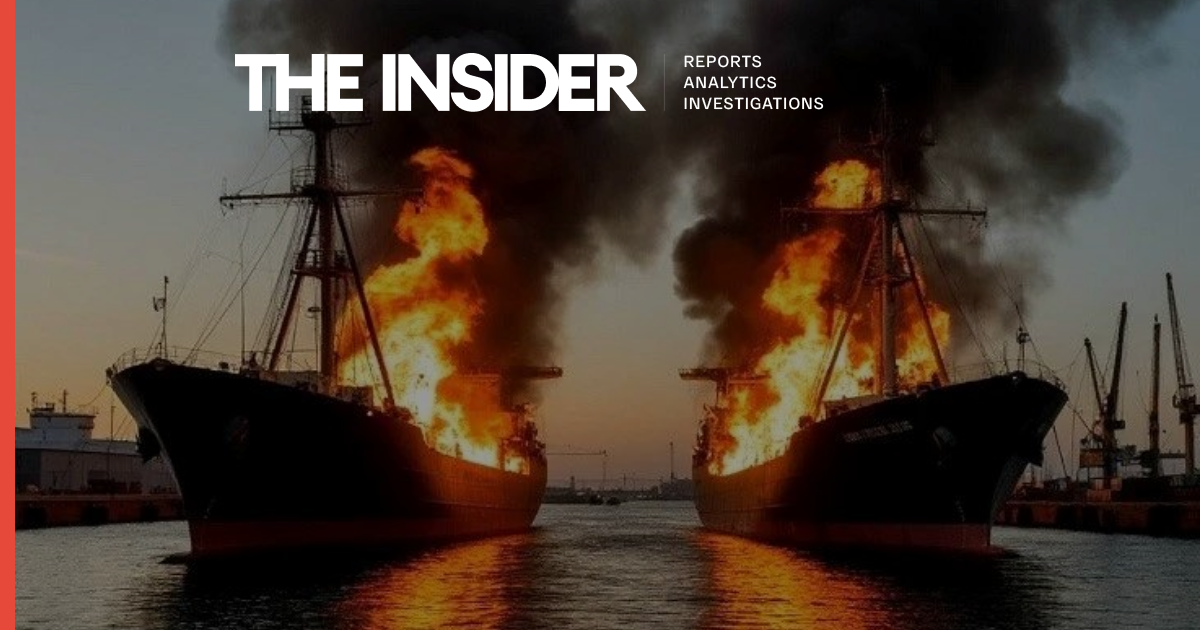
A sharp escalation in Saudi–UAE rivalry culminated in a Saudi airstrike on Mukalla (Dec. 30) targeting UAE‑supplied arms to the UAE‑backed Southern Transitional Council after an STC offensive that sought to carve out a secessionist “South Arabia.” The episode highlights competition for ports, aviation hubs and pipeline routes (Al‑Mahrah/Hadramaut access to the Indian Ocean) that could reallocate regional transit risk and energy logistics, even as both states race on tech (Saudi HUMAIN, UAE Stargate) and compete for influence in Washington via large investment pledges (Saudi $600bn→$1tn; UAE $1.4tn; Qatar $1.2tn) and heavy lobbying spending. For investors, these developments raise geopolitical risk premia for Gulf energy, shipping and infrastructure exposures, and suggest increased tail‑risk for regional FX, sovereign/debt allocations and defense contractors, meriting closer monitoring and hedging of political‑risk scenarios.
MARKET STRUCTURE: The Saudi–UAE rivalry shifts incremental market share toward firms exposed to Gulf defense, upstream hydrocarbon producers, and high-performance compute suppliers; expect a 3–8% near-term uplift in regional defense procurement and a 2–6% higher capital allocation to AI/compute projects in 2026–27. Logistics winners include owners/operators of alternative Red Sea routes and container hubs (e.g., Jeddah, DP World) while UAE-focused free-zone trade and premium hub airlines face market-share erosion if access frictions persist.
RISK ASSESSMENT: Key tail risk is a limited Gulf kinetic escalation that disrupts 5–10% of global seaborne crude flows (Brent shock >$20/bbl), or a coordinated sanctions regime that impairs Gulf sovereign liquidity. Time horizons: immediate (days) for volatility spikes and shipping rerouting; short-term (1–6 months) for airfreight/port share shifts; long-term (12–36 months) for structural AI and defense capex reallocation. Hidden dependencies include Chinese energy diplomacy and U.S. security guarantees that can flip capital flows rapidly.
TRADE IMPLICATIONS: Tactical plays: favored long energy producers and AI infra names, defensive long-defense/short-airline pairs, and long shipping ETFs if Red Sea transits stay disrupted. Use options to express asymmetric risk: 3–6 month call spreads on majors and 1–3 month VIX calls as tail hedges. Rebalance if Brent breaches $95 or if Pentagon/GCC procurement announcements increase defense-sector book-to-bill by >10%.
CONTRARIAN ANGLES: Consensus overweights oil-only plays miss secular AI compute demand—Gulf sovereign capex into data centers favors NVDA, AMD, and cloud suppliers over pure E&P in 2026–27. The market may be underpricing DP World (DPW.L) and shipping capacity since re-routing raises freight rates 15–30%; conversely, a quick Saudi–UAE détente would compress defense/volatility premia rapidly, creating mean-reversion alpha.
AI-powered research, real-time alerts, and portfolio analytics for institutional investors.
Request DemoOverall Sentiment
moderately negative
Sentiment Score
-0.50
