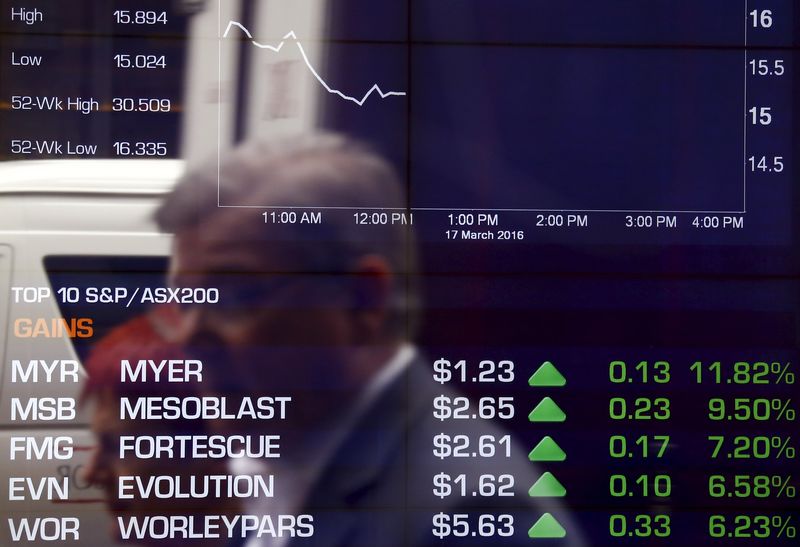
The S&P/ASX 200 fell 1.45% to a new 1-month low, with decliners outnumbering advancers 923 to 270 and the VIX rising 11.68% to 14.23, signaling a sharp risk-off shift. Industrials, Gold and Materials led losses, while Tuas plunged 62.13% to a 52-week low and Brambles dropped 19.14%. Commodities were mixed, with gold futures down 0.47% to $4,540.40, crude oil up 2.20% to $103.24, and the Australian dollar little changed versus the U.S. dollar.
This looks less like a broad macro selloff and more like a violent de-risking into a volatility shock, with cyclicals and rate-sensitive balance-sheet names getting hit first. When the tape is driven by rising implied vol rather than fundamentals, the market usually punishes anything with crowded ownership, weak near-term catalysts, or mechanical selling pressure from funds that need to reduce gross quickly. That creates a second-order setup: the initial losers are often not the economic losers, but the most liquid proxies for risk and flow-based exposure.
Energy stands out as the cleanest relative winner because higher crude is working against the risk-off backdrop. For WDS, the trade is not just commodity beta; it is also a hedge against AUD weakness and a partial offset to domestic equity beta compression. If oil holds at current levels for even 2-4 weeks, the market will start pricing in materially better near-term free cash flow and capital return durability, especially versus domestic sectors whose earnings are more directly exposed to slowing growth and tighter financing conditions.
The bigger miss here is that a spike in equity volatility can coexist with firmer commodity prices if the market is repricing geopolitical risk away from one asset class and into another. That means the usual “risk-off = lower oil” relationship is not reliable in the short run, and the better tell is whether WTI/Brent keep firming while index vol stays elevated. If that persists, energy equities should outperform broader cyclicals by a wide margin over the next 1-3 weeks, with the caveat that any sharp reversal in headlines or a USD squeeze would hit the trade fast.
Brambles-like industrial weakness suggests the market is also stress-testing supply-chain and freight-related margins, which tends to create follow-through in logistics, packaging, and capex-sensitive names over the next few sessions. That is often more about sentiment contagion than fundamental downgrade, so the best opportunities are usually in pair trades rather than outright shorts. The contrarian view is that this kind of washout can mark a local low in the weakest names, but only if vol peaks and breadth stabilizes; until then, selling rallies remains the higher-probability path.
AI-powered research, real-time alerts, and portfolio analytics for institutional investors.
Request DemoOverall Sentiment
mildly negative
Sentiment Score
-0.45
Ticker Sentiment
