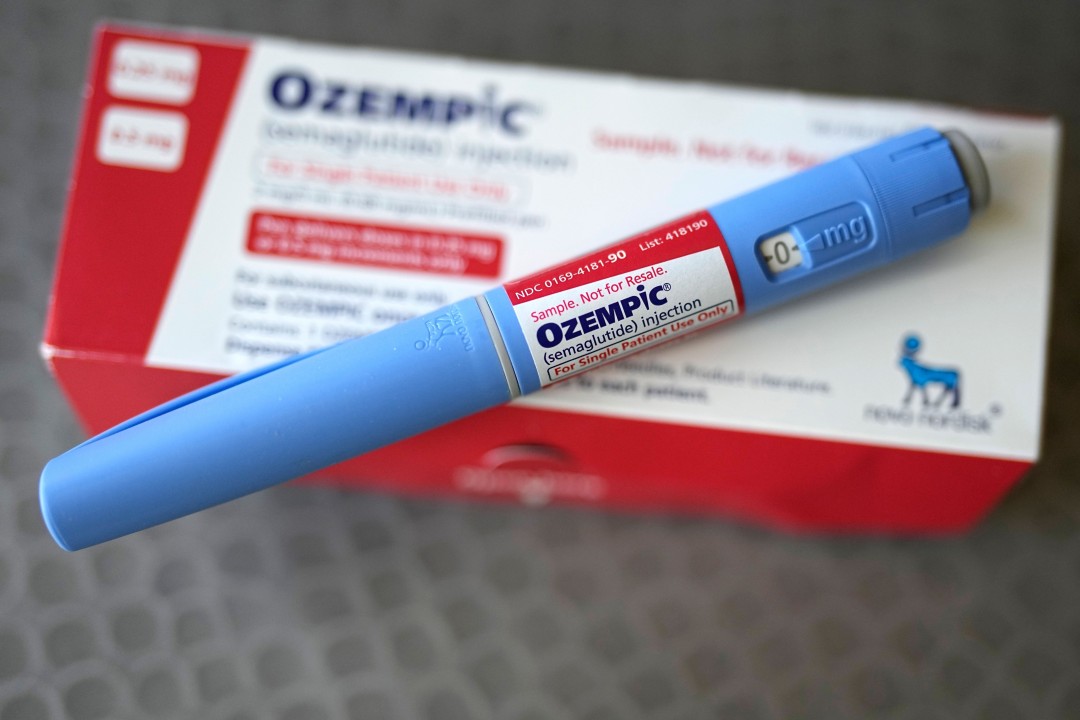
Patents on semaglutide (Ozempic/Wegovy) expire Saturday in several populous countries covering ~40% of the global population, enabling immediate generic entry in India and subsequent launches in China, Canada, Brazil, Turkey and South Africa. Analysts project ~50 generics in India (part of a $60B pharma market) and a potential ~$1B annual market there, with competition likely driving monthly prices toward ~$15 from current hundreds—eroding Novo Nordisk's pricing power; U.S./EU generics are delayed to the early 2030s, prolonging high prices and costing patients and payers potentially tens of billions.
The immediate market reaction will be about margin decompression in lower-priced markets, but the deeper strategic shift is toward procurement-driven volume growth that rewards low-cost, high-throughput manufacturers and contract biologics specialists. Expect a rebalancing of gross-to-net dynamics: multinational ASPs (average selling prices) will compress while payer-negotiated tender volumes expand, moving value capture away from originators toward scale manufacturers and distributors over 6–24 months.
Second-order winners are capacity owners of sterile injectable fill/finish and API synthesis where scale drives per-unit costs below branded economics; these players will see utilization and pricing power rise before headline revenues shift. Conversely, incumbents face a faster-than-expected impairment of brand-fatigue elasticity — premiumization (service bundles, exclusive formulations) can blunt share loss but cannot fully replace recurring volume-derived cash flows in price-competitive markets.
Key catalysts are regulatory approvals, large public tenders, and manufacturing ramp timelines: each can compress or restore margins within quarters rather than years. Tail risks include manufacturing quality failures and regulatory holds that sustain premium pricing, and legal settlements that defer price erosion; either could materially change a 12–36 month forecast and justify active monitoring of approval and enforcement calendars.
AI-powered research, real-time alerts, and portfolio analytics for institutional investors.
Overall Sentiment
mildly negative
Sentiment Score
-0.30
Ticker Sentiment
