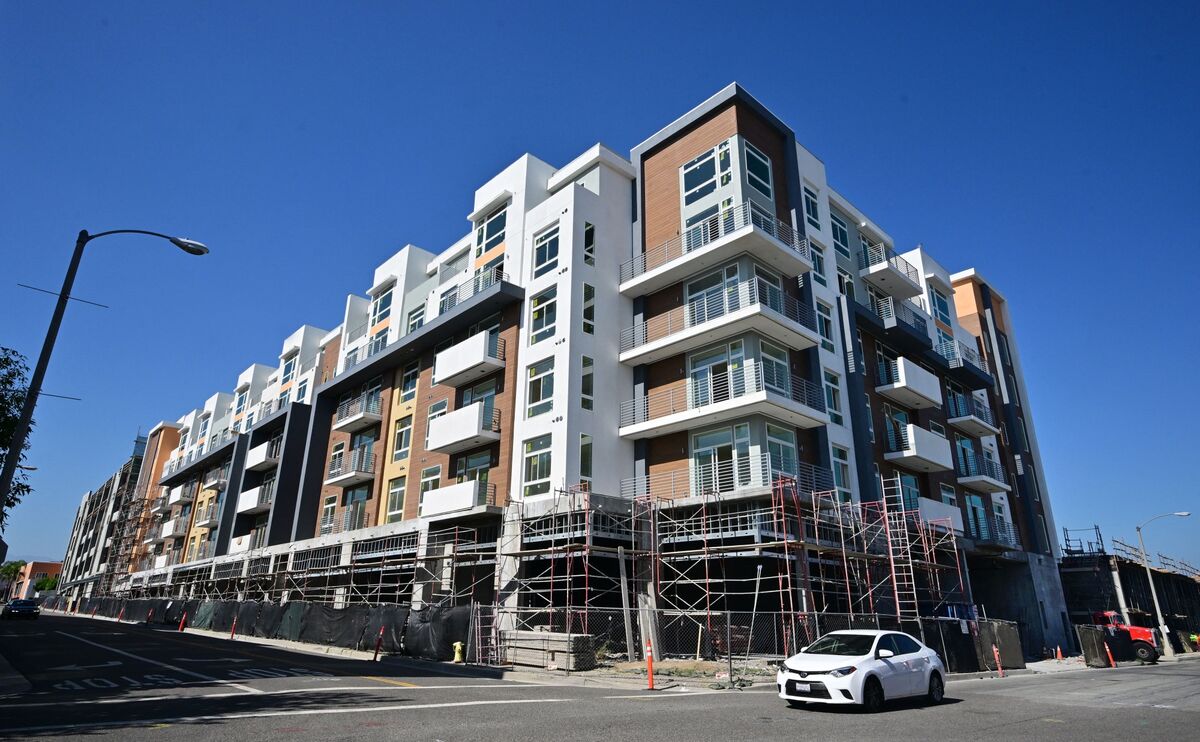
Harvard's Joint Center for Housing Studies reports that US renters are experiencing record-high cost burdens, with 65% of working-age renters unable to cover non-housing costs after housing payments. Despite a substantial apartment construction boom, the benefits of increased supply have not alleviated the strain for the most cost-burdened, leading to continued scarcity of affordable units. This escalating affordability crisis is further compounded by rising energy costs and cuts to housing aid, indicating a persistent challenge for a broad segment of the population.
A recent report from Harvard’s Joint Center for Housing Studies indicates a severe and worsening affordability crisis in the U.S. rental market, even amidst a significant apartment construction boom. The key finding is that the benefits of increased housing supply are not reaching the most cost-burdened renters, with a record portion of tenants now facing significant financial strain. This is quantified by the fact that 65% of working-age renters are unable to cover non-housing expenses after their monthly rent payments. The problem is compounded by external pressures, including rising energy costs and cuts to governmental housing aid, which further erode disposable income. The report highlights that this financial stress is migrating up the income ladder, suggesting a broad-based headwind for consumer spending and a potential drag on the overall economy, as a large segment of the population has its budget constrained by non-discretionary shelter costs.
AI-powered research, real-time alerts, and portfolio analytics for institutional investors.
Request DemoOverall Sentiment
strongly negative
Sentiment Score
-0.65
