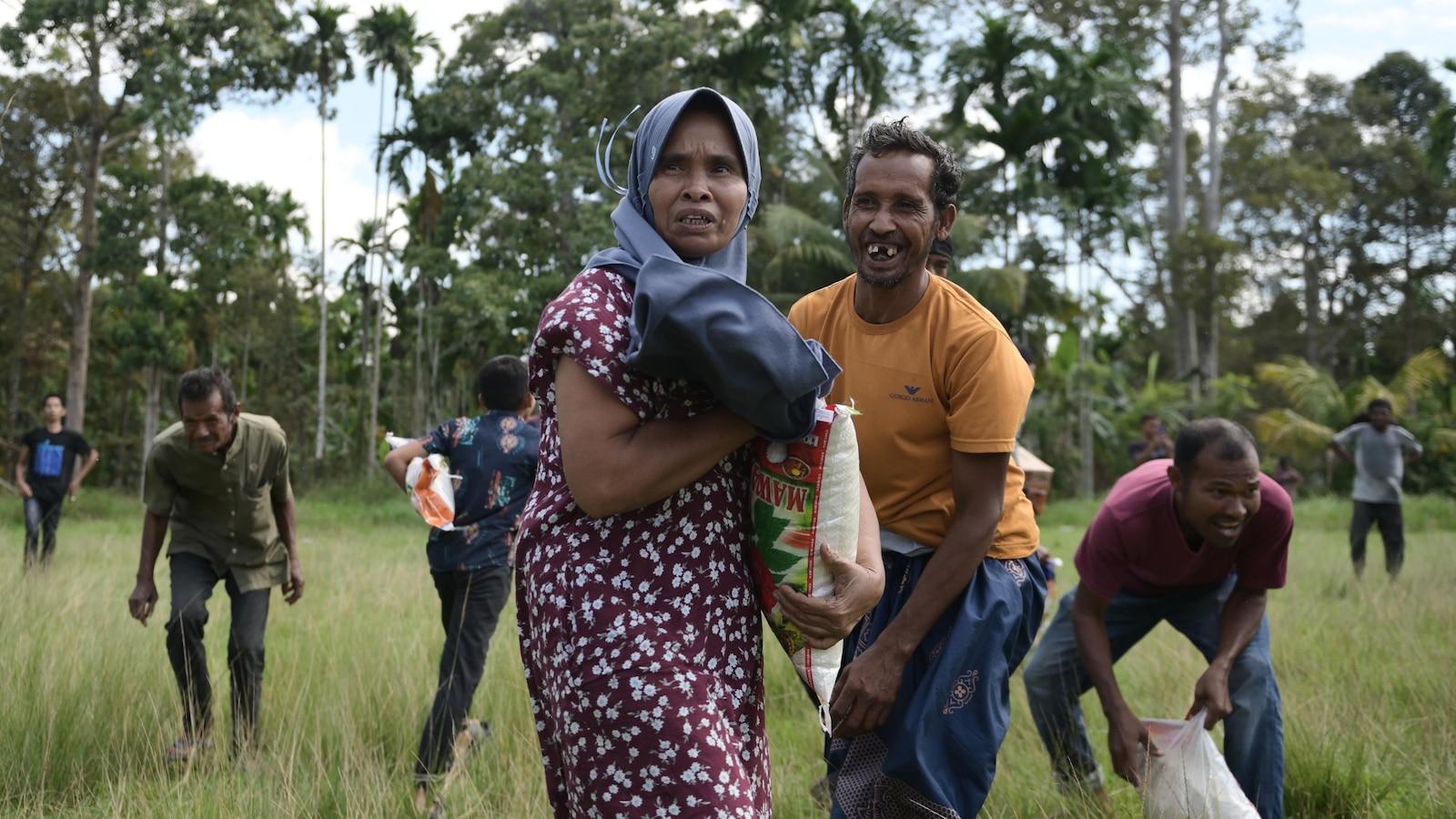
Catastrophic floods and landslides in parts of Asia have killed more than 1,500 people (837 in Indonesia, 479 in Sri Lanka, 185 in Thailand, 3 in Malaysia) with 861 still unaccounted for, washing away roads, bridges and communications and creating acute humanitarian and logistics disruptions. Environmental groups and satellite data attribute the scale of the disaster to decades of deforestation—WALHI cites more than 240,000 hectares of primary forest loss in 2024 and Global Forest Watch reports ~19,600 sq km lost in key provinces since 2000—prompting the Indonesian government to pledge reforms and the environment minister to investigate eight companies and review permits, risking permit revocations and heightened ESG/regulatory exposure for mining, palm oil and timber-linked operators. Investors should monitor permit revocation risks, potential liabilities and supply-chain interruptions for regional commodity and resource companies as regulatory scrutiny and restoration mandates accelerate.
Market structure: Immediate winners are reconstruction-oriented sectors (cement, aggregates, heavy equipment, short-haul logistics) and commodity suppliers of palm oil/timber where supply tightness forms; losers are exposed plantation/mining operators in Sumatra, local insurers/reinsurers and regional SMEs reliant on intact transport networks. Expect Indonesian IDR to trade 1–3% weaker in days, Indonesian 10y sovereigns to widen +20–80bps if investors price policy risk; Sri Lanka sovereign spreads could reprice materially higher (200–500bps) given fiscal strain. Cross-asset: palm oil and timber prices can spike near-term (5–15%) while reinsurance and catastrophe bond spreads rise.
Risk assessment: Tail risks include large permit revocations (government cancels >5–10% of industrial concessions), multinational divestment leading to a sustained capital flight, or disorderly sovereign funding stress in smaller states. Timeline: immediate days = operational/logistics shock; weeks–months = commodity dislocations and insurance loss recognition; quarters–years = regulatory/ESG-driven capex shifts and restoration projects. Hidden dependencies: palm oil tightness depends on Malaysian output and global stockpiles; reconstruction demand depends on fiscal capacity and donor flows.
Trade implications: Direct plays: long Indonesian cement (SMGR.JK) and heavy equipment (Caterpillar CAT) for 3–12 month recovery; short selected Indonesia-listed plantation/mining names lacking RSPO/permits (size 1–3% each) or buy puts on EIDO for sovereign volatility. Options: buy 3–6 month EIDO put spreads (strike ~5–8% OTM) and buy 6–12 month long-call spreads on crude palm oil futures. Rotate from EM financials/insurance into materials and construction over 1–6 months.
Contrarian angles: Consensus will punish all Indonesian EM assets; this may overshoot—if permit enforcement is surgical rather than blanket, select large, ESG-compliant planters (Wilmar F34.SI, IOI.KL) are possible recovery longs after 20–30% drawdowns. Historical parallel: 2013/2014 natural disasters created multi-quarter construction booms. Monitor legal permit revocation counts and government budget reallocations within 30–90 days as primary re-rating catalysts.
AI-powered research, real-time alerts, and portfolio analytics for institutional investors.
Request DemoOverall Sentiment
strongly negative
Sentiment Score
-0.60
