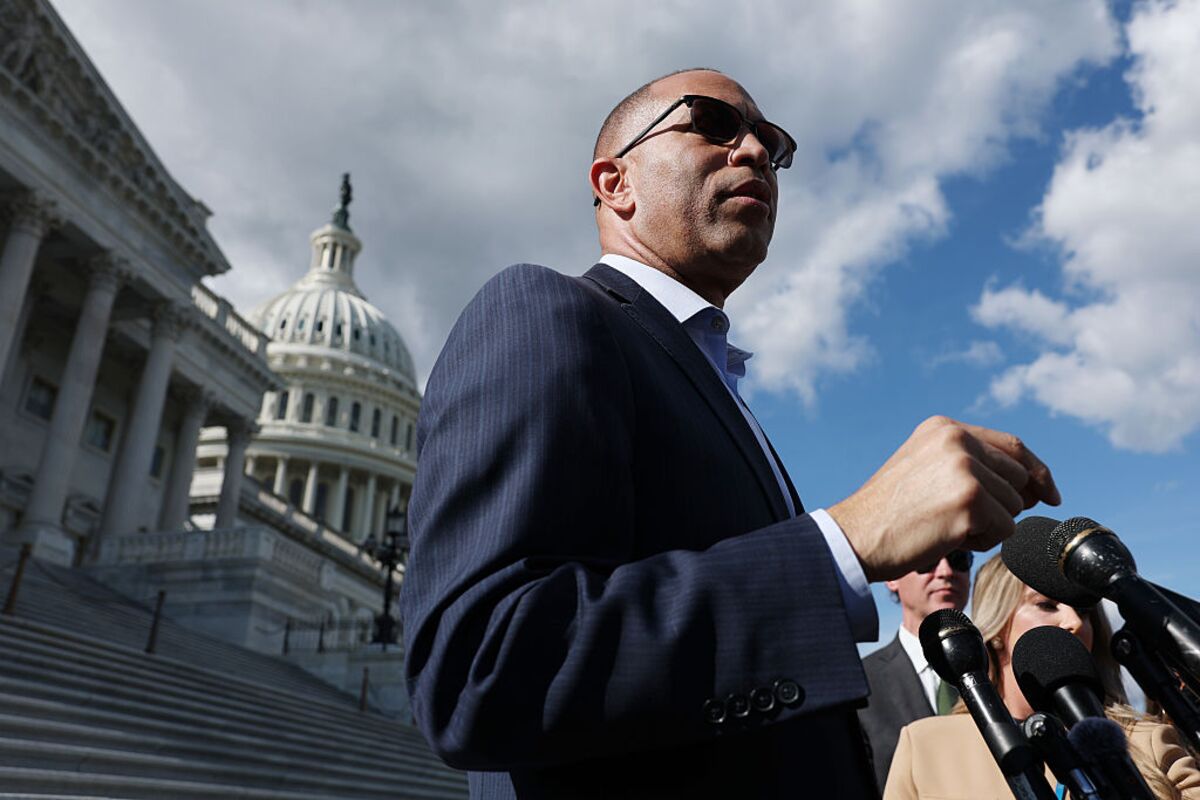
The US government shutdown has entered its third day, marked by a political deadlock as Democrats resist President Trump's threats to leverage federal worker firings for concessions on healthcare spending. With negotiations failing and a temporary spending bill expected to be rejected, the standoff signals a likely prolonged disruption in government services and potential lengthy furloughs, introducing significant market uncertainty.
The US government shutdown has extended into its third day, characterized by a significant political deadlock with a high probability of continuation. The impasse stems from entrenched positions, with Democrats resisting President Donald Trump's threats to leverage federal worker firoughs to gain concessions on healthcare spending. Lower-level negotiations have proven fruitless, and a key Senate vote on a temporary spending bill is anticipated to fail, signaling that a prolonged disruption to government services and lengthy furloughs are increasingly likely. This political standoff, rated with a strongly negative sentiment (-0.6) and a moderate market impact score (0.6), introduces substantial fiscal uncertainty and weighs on overall market sentiment. The core conflict over Affordable Care Act (Obamacare) funding places the healthcare sector under a particular spotlight, though the broader implications of a protracted shutdown affect economic confidence and government-dependent industries.
AI-powered research, real-time alerts, and portfolio analytics for institutional investors.
Request DemoOverall Sentiment
strongly negative
Sentiment Score
-0.60
