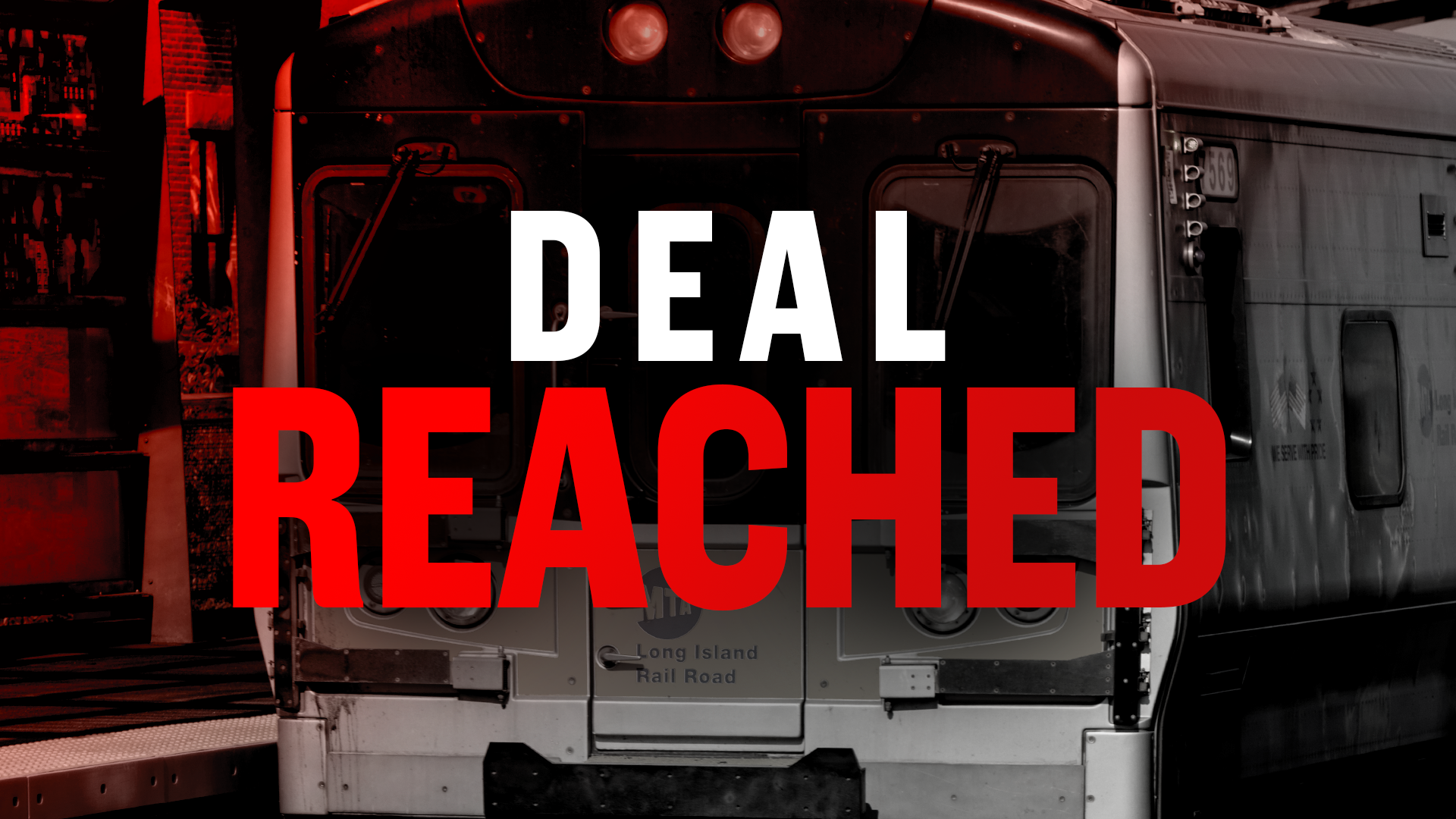
The Long Island Rail Road strike shut down service for three days, disrupting about 300,000 daily riders and forcing limited shuttle-bus and alternative travel arrangements. A deal was reached Monday night and service is set to resume Tuesday at noon with limited hourly service on four branches, full peak-hour service expected by the evening rush. The dispute centered on pay and healthcare costs, with officials emphasizing no additional fare or tax increases.
The immediate market read is that the strike is a short-duration macro nuisance, but the second-order effect is that it stress-tests the region’s “just-in-time” commuter ecosystem. The real winners are the substitutes that can scale quickly: buses, ferries, parking operators, suburban gas stations, and especially employers with flexible remote-work policies. The losers are not only transit users but also Manhattan-dependent service businesses that experience a same-week revenue hit without the benefit of inventory buffering.
For the MTA, the bigger issue is not this outage itself but the precedent: labor negotiations now carry a political option value because each day of disruption creates visible economic pain that can force a faster settlement. That means headline risk should fade once service normalizes, but the episode leaves a lingering cost structure problem for the agency and a higher probability of recurring labor friction into future contract cycles. Any investor extrapolating permanent operational damage is likely overdoing it; the more durable impact is on budgeting flexibility and public tolerance for fare/tax increases.
The most interesting contrarian angle is that congestion can create a temporary demand pull-forward for ride-hail, rentals, and parking, but those benefits are self-limiting because commuters rapidly adapt via remote work and split schedules. That makes the trade asymmetric: the shock is best expressed as a two- to five-day volatility event rather than a structural thesis. If a settlement holds and service ramps as promised, the congestion premium should unwind quickly; if negotiations re-open, the market will reprice the same local stress almost immediately.
AI-powered research, real-time alerts, and portfolio analytics for institutional investors.
Overall Sentiment
moderately negative
Sentiment Score
-0.20
Ticker Sentiment
