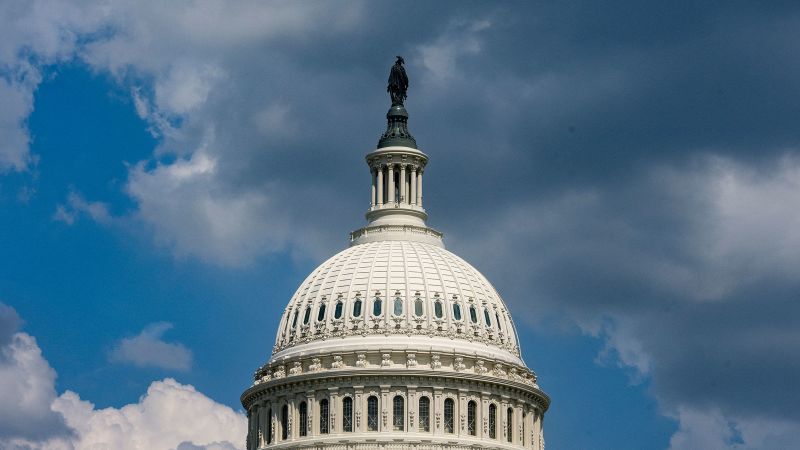
The Senate's proposed healthcare bill, designed to enact historic cuts to Medicaid, is projected by the Congressional Budget Office to leave 11.8 million more Americans uninsured by 2034, an increase exceeding the House-passed version. This legislative effort, which targets significant reductions in coverage for the over 71 million low-income individuals currently on Medicaid, faces opposition from some Republicans concerned about the impact on constituents, while proponents argue the cuts eliminate waste and target able-bodied recipients. The bill's potential passage signifies a fundamental reshaping of the U.S. healthcare landscape, with substantial implications for healthcare providers and the insured population.
The proposed Senate healthcare bill introduces significant legislative risk and fiscal uncertainty into the U.S. healthcare market. According to a nonpartisan Congressional Budget Office analysis, the bill's historic spending cuts to Medicaid would result in 11.8 million more uninsured individuals by 2034, a figure that surpasses the impact projected for the House version. This potential reduction in coverage for a portion of the 71 million Americans currently on Medicaid signals a fundamental policy shift with direct financial implications for the healthcare industry. While proponents of the bill, such as Senators Markwayne Mullin and Jim Banks, frame the cuts as a measure to eliminate "waste, fraud and abuse," the legislation faces internal opposition from key Republican senators, including Thom Tillis and Susan Collins, who have voiced concerns over the impact on their constituents. This political division creates uncertainty around the bill's passage, making the outcome a critical variable for sector performance. The situation underscores a period of heightened regulatory risk and potential for significant disruption to revenue models for providers and insurers heavily reliant on Medicaid reimbursement.
AI-powered research, real-time alerts, and portfolio analytics for institutional investors.
Overall Sentiment
moderately negative
Sentiment Score
-0.55
Ticker Sentiment
