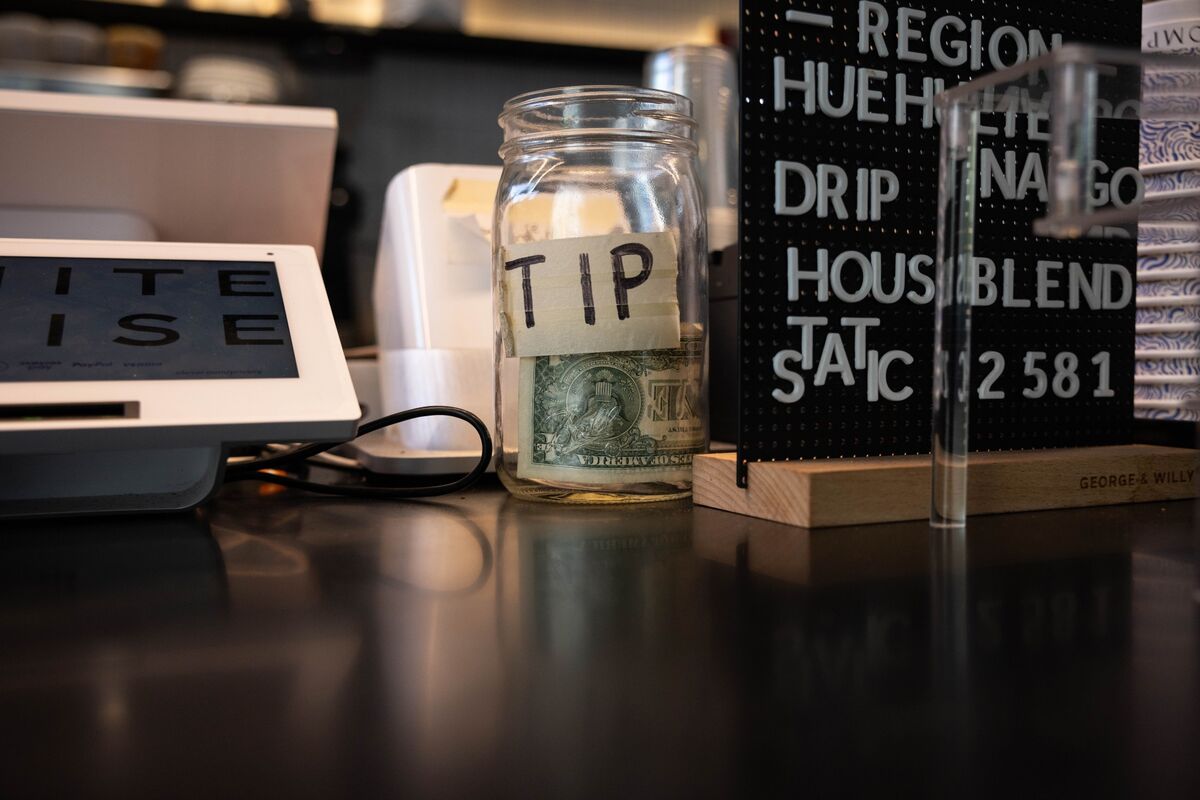
The Treasury Department has unveiled a proposal for tax relief on tips, a key Donald Trump 2024 campaign promise, explicitly excluding income derived from illegal activities, prostitution, or pornography. This provision is a central component of Republican efforts to market Trump's broader $3.4 trillion tax legislation to the American working class, despite its overall unpopularity in polls.
The Treasury Department has formally proposed tax relief on tips, a policy central to Donald Trump's 2024 campaign platform. This proposal is being positioned by Republicans as a benefit for the working class to build support for a much larger, and currently unpopular, $3.4 trillion tax legislative package. A key detail of the proposal is the explicit exclusion of tips derived from illegal activities, including prostitution and pornography, which defines the scope of the intended relief. The current market impact is minimal, as this is a preliminary political proposal, not enacted law. Its primary significance lies in its role as a strategic tool to influence public perception of broader fiscal policy changes ahead of the election, rather than an immediate economic driver.
AI-powered research, real-time alerts, and portfolio analytics for institutional investors.
Request DemoOverall Sentiment
neutral
Sentiment Score
0.00
