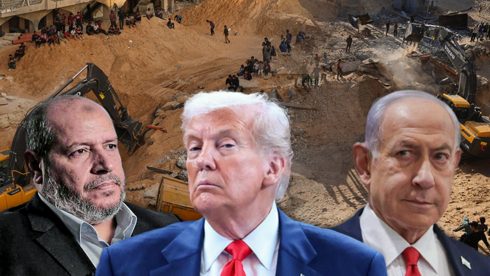
The Gaza crisis remains volatile as Hamas continues to violate the U.S.-backed "Trump 20-Point Plan," stalling on hostage returns and breaching ceasefire terms, despite the recovery of two Israeli bodies. The Trump administration is actively restraining Israel's retaliatory actions, blocking proposed escalations and deploying a high-level military delegation to monitor compliance, causing frustration in Jerusalem. Concurrently, U.S. efforts to establish an Arab-led Gaza stabilization force are hampered by rejections from regional states, while Washington prepares to assume full humanitarian responsibility for Gaza from November 7, a move met with Israeli skepticism. This situation underscores persistent geopolitical instability, significant U.S. diplomatic and military entanglement, and ongoing challenges to regional de-escalation.
Hamas continues to violate the U.S.-backed "Trump 20-Point Plan for Gaza," stalling the return of 11 Israeli bodies and breaching ceasefire terms, including a recent attack that killed an Israeli reservist. Despite the recovery of two bodies, Israeli officials perceive Hamas's delays as strategic manipulation due to "holes" and a lack of enforcement mechanisms in the agreement. The U.S. administration, led by President Trump, is actively restraining Israel's response, vetoing proposed escalations like territorial expansion beyond the "yellow line."
Washington's hands-on approach is evident with Gen. Dan Caine's arrival to monitor the ceasefire and prevent unilateral Israeli actions, a mission informally dubbed "Bibi-sitter." Concurrently, U.S. efforts to form an Arab-led Gaza stabilization force are faltering as Arab states reject participation due to concerns over clashes with Hamas. This underscores the significant challenges in establishing post-conflict stability and security.
The U.S. plans to assume full responsibility for Gaza's humanitarian situation from November 7, a move met with skepticism in Jerusalem regarding American command structure and coordination capabilities. This ongoing friction, coupled with the persistent hostage crisis, highlights deep geopolitical instability and a strongly negative, pessimistic tone surrounding the region. The market impact, while not tied to specific equities, suggests elevated regional risk premiums.
AI-powered research, real-time alerts, and portfolio analytics for institutional investors.
Request DemoOverall Sentiment
strongly negative
Sentiment Score
-0.75
