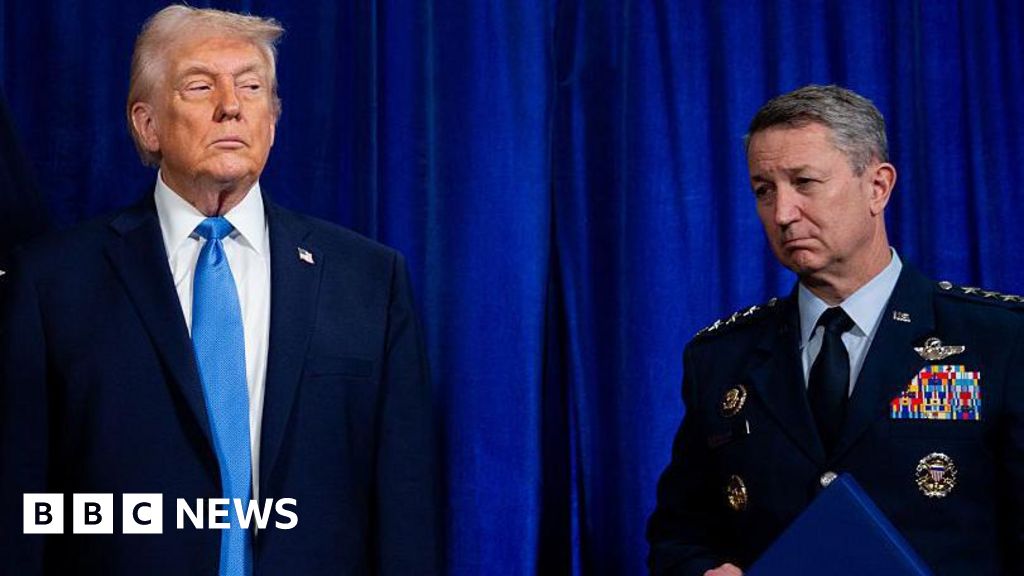
President Trump publicly disputed reports that Joint Chiefs Chair Gen. Dan Caine warned against strikes on Iran, while US media say Caine cautioned that military action could draw the US into a prolonged regional conflict. The US has reinforced forces in the region in one of the largest build-ups in decades — including the USS Gerald R. Ford and accompanying destroyers — as Trump weighs limited strikes and envoys prepare talks with Iranian negotiators, creating heightened geopolitical risk that could affect defense sectors and energy markets over the coming days.
Market structure: Near-term winners are defense primes (Lockheed LMT, Raytheon RTX, Northrop NOC) and upstream energy (XOM, CVX, OXY) as military build‑up and sanctions risk raise demand for weapons, logistics and hydrocarbons; losers are commercial airlines (UAL, AAL), travel/leisure and regional EM banks with MENA exposure. Pricing power will tilt to contractors with backlog and energy producers with hedged barrels; expect oil to move +5–15% in the first 2–4 weeks if skirmish risk materializes, while defense equities can reprice +10–25% on a sustained risk premium.
Risk assessment: Tail risks include full-scale regional war (low probability) that could lift Brent toward $120–150/bbl and spike inflation, and a miscalculated strike that triggers oil supply interdiction—trigger threshold: Brent >$100 or +20% in 10 days. Immediate (days) is volatility and safe‑haven flows (USD, gold, T-bonds), short term (weeks–months) is commodity and defense re-rating, long term (quarters) is higher defense budgets and diversified energy capex. Hidden dependencies: Strait of Hormuz chokepoint, insurance/premium hikes for shipping, and cascade sanctions on counterparties.
Trade implications: Tactical plays are long defense and energy, short airlines and event‑sensitive discretionary cyclicals; employ options to control downside—buy 3‑month 10–25% OTM call spreads on LMT/RTX and 30–60 day VIX call spreads as tail hedges. Cross‑asset: expect lower core yields initially (flight to safety) then rising breakevens; hedge FX exposure in EM via USD long/EM FX short if hostilities escalate.
Contrarian angles: Consensus may overstate probability of sustained conflict—past Iran episodes saw oil spikes fade in 4–12 weeks absent supply shocks. Consider fading first‑day energy spikes with short dated call sales or buying mean‑reversion structures size-limited to 0.5–1% if diplomatic signals (meetings, “deal” language) appear within 7–14 days. Be wary defense equities already priced for a large risk premium; trim into rallies above +20%.
AI-powered research, real-time alerts, and portfolio analytics for institutional investors.
Request DemoOverall Sentiment
moderately negative
Sentiment Score
-0.45
