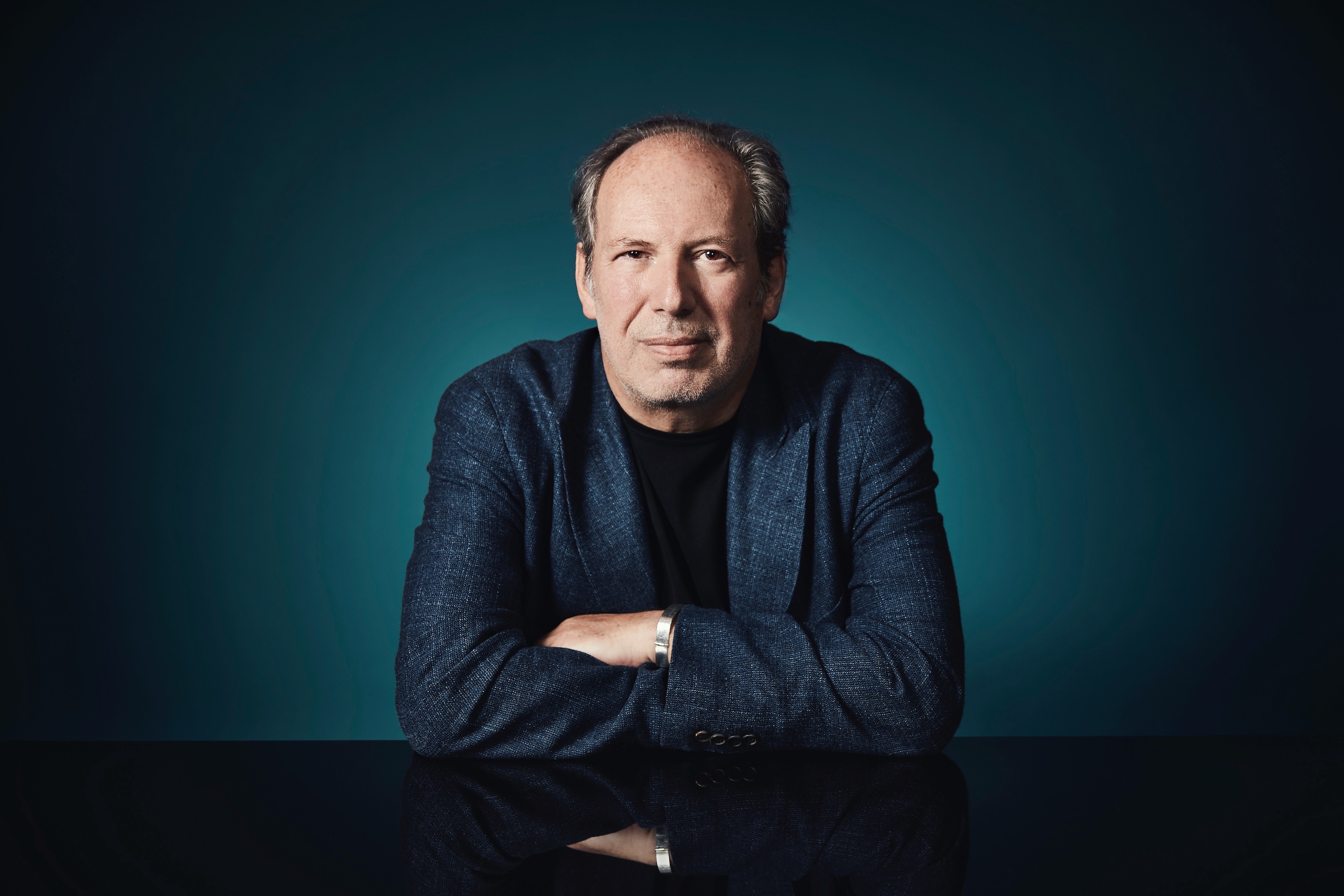
HBO has tapped Hans Zimmer and Bleeding Fingers to compose the original score for its Harry Potter series, which is slated to debut in 2027 on HBO and stream on HBO Max (noting availability in recent launch markets including Germany and Italy and an upcoming UK & Ireland platform launch). The series is written and executive produced by Francesca Gardiner, with Mark Mylod set to executive produce and direct multiple episodes, and additional executive producers including J.K. Rowling and David Heyman; Zimmer’s involvement (500+ projects, $28bn cumulative box office) adds high-profile creative pedigree. While this bolsters HBO’s premium content slate and could support long-term subscriber engagement and monetization, the announcement carries negligible immediate financial impact on markets or company fundamentals.
Market structure: This announcement strengthens Warner Bros. Discovery (WBD) as primary beneficiary because HBO/Max controls distribution and global launch timing (UK/Ireland late-March; Germany/Italy already launched). High-profile creative partners (Hans Zimmer, Bleeding Fingers) raise odds of premium soundtrack, merch, and licensing revenue that can shift ARPU by +1–3% in target markets at launch if marketing converts even 1–2% incremental subs. Competitors (NFLX, DIS) are modestly disadvantaged for prestige IP but not immediately; pricing power shifts are gradual through 2026–2028 content cycles.
Risk assessment: Main tail risks are production delays (pandemic/strike/litigation) and reputational backlash around IP or creators that could depress subs by >5% regionally; probability non‑trivial given prior Rowling controversies. Immediate market impact is negligible (days); short-term (months) depends on marketing and international rollout; long-term (2027 release and beyond) is when material subscriber/monetization effects materialize. Hidden dependencies include licensing splits (music vs. streaming) and merchandise/park deals that determine actual EBITDA capture.
Trade implications: Favor concentrated, asymmetric exposure to WBD via long-dated calls or small equity stakes: content payoff is backloaded to 2027–2028 so option theta is manageable in 12–36 month LEAPs. Pair trades: long WBD vs short NFLX or DIS to express IP advantage while hedging sector volatility; consider 1:0.6 notional short to limit beta mismatch. Avoid large consumer discretionary cyclicals tied to theater box office; consider small long in LYV (Live Nation) for cross-promo upside around Zimmer tour in 2026.
Contrarian angles: The market likely understates monetization from soundtrack + concerts + merchandising — historically franchises (e.g., LOTR) produced multi-year ancillary streams even when subscriber lift was muted. Conversely, parallels show massive spend (Amazon LOTR) can fail to move profits; if WBD misprices production/licensing splits, upside is capped. Watch for overhangs: multi-year licensing deals, union negotiations, or legal challenges that can erase expected returns.
AI-powered research, real-time alerts, and portfolio analytics for institutional investors.
Request DemoOverall Sentiment
neutral
Sentiment Score
0.10
