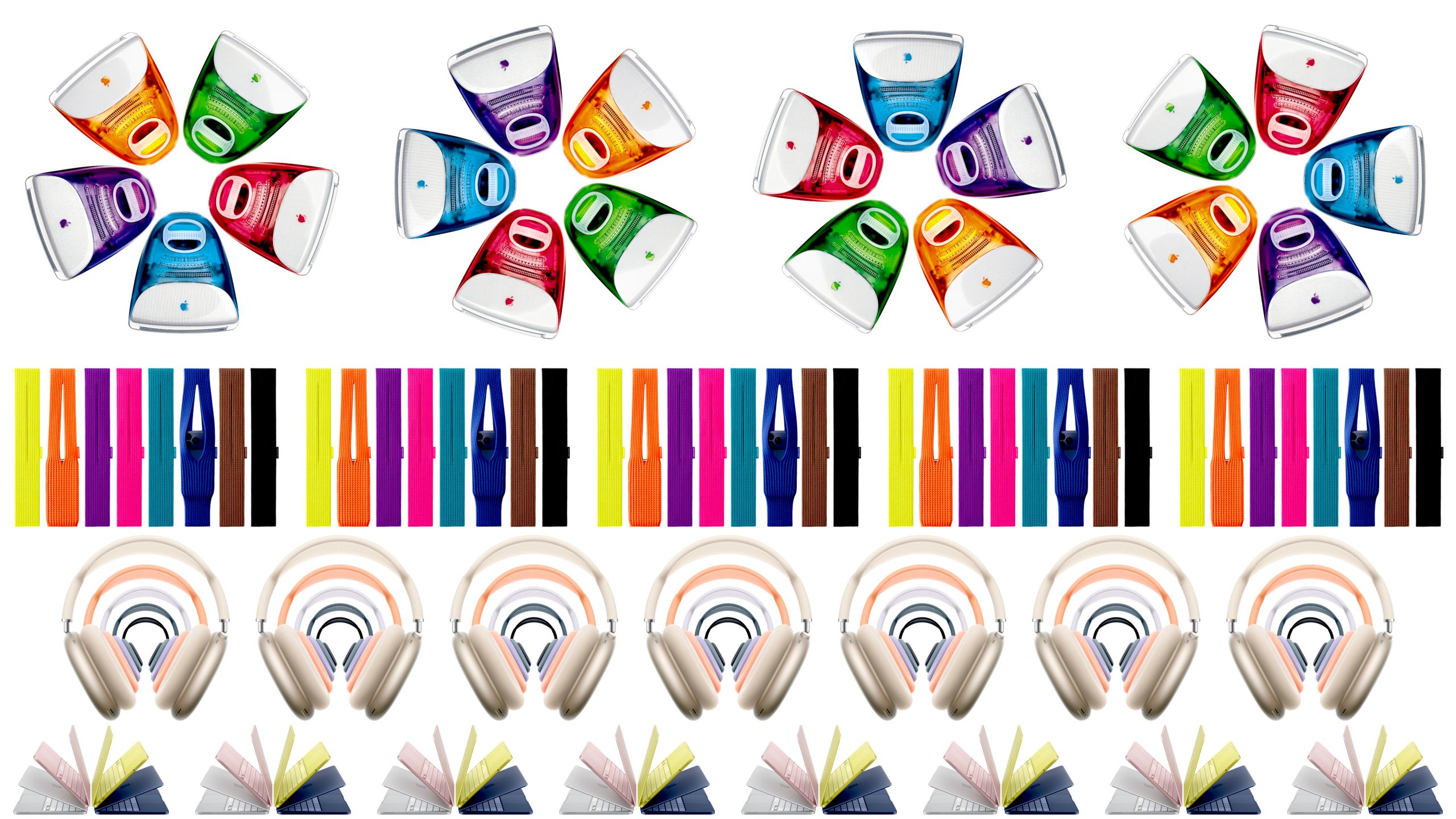
Apple's 50th anniversary on 1 April 2026 underscores a dominant hardware-led franchise that has sold ~3.0 billion iPhones and recorded 850 million average weekly App Store users in 2025, with developers earning $550 billion since 2008. The article highlights recent product momentum (including the MacBook Neo), Apple's tight hardware-software integration, and its capacity to influence manufacturing and supply chains via the Apple 2030 sustainability plan despite tens of millions of annual hardware unit sales. It also notes Apple's modest but improving engagement with AI and the broader geopolitical importance of its global supply, distribution and retail footprint.
Apple’s leverage over hardware, retail and developer economics is a latent structural advantage that compounds non-linearly: small increases in device installed base or per-device revenue cascade into outsized Services and payment flows because Apple controls both distribution and UX. Over 12–24 months that dynamic favors companies that can monetize higher ARPU ecosystems (Apple itself and select suppliers that capture bespoke components) while pressuring broad-based ad/commerce players who rely on open ecosystems for reach.
The supply-chain and geopolitics vector is the underappreciated transmission mechanism. Apple’s ability to demand sustainability, tooling investment and dual-sourcing forces capital allocation across the supplier universe; over 1–3 years this accelerates capacity concentration (favours advanced foundries and contract manufacturers that can meet specs) and penalizes legacy PC-centric OEMs that cannot command the same terms—raising the bar for competitors trying to undercut on price rather than integration.
AI is the wildcard: Apple’s slower, device-first approach looks cheap now but is defensible — performant on-device models plus tight HW/SW integration could blunt cloud‑centric monetization strategies from Alphabet/Amazon and shift value capture back to hardware. Key reversals are straightforward and time-bound: regulatory antitrust action, a China/Taiwan supply shock, or a failed product cycle (1–4 quarters) would quickly expose cyclicality and compress multiples.
AI-powered research, real-time alerts, and portfolio analytics for institutional investors.
Overall Sentiment
moderately positive
Sentiment Score
0.40
Ticker Sentiment
