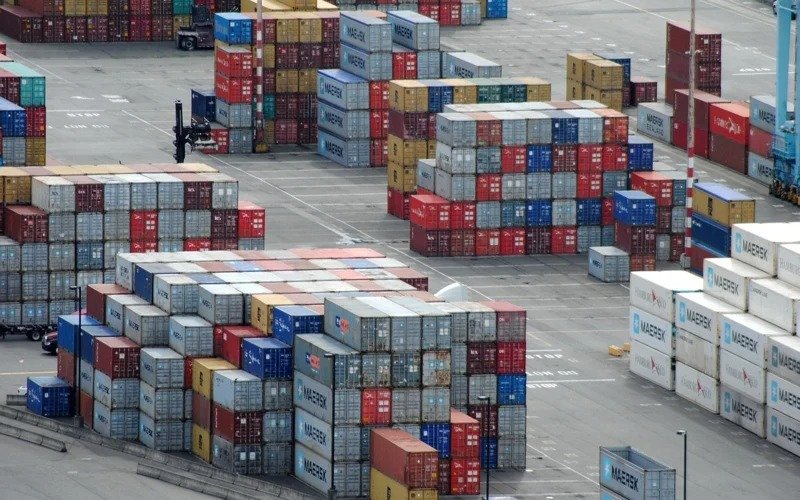
The Eurasian Economic Union and Indonesia signed an FTA that establishes a duty‑free regime for over 90% of goods and cuts the average import duty for EAEU exporters in Indonesia from 10.2% to 2%, with transitional duty reductions over three to 15 years for sensitive products. The deal includes provisions on rules of origin, trade defense, customs cooperation, TBT/SPS, IP, e‑commerce and economic cooperation, and is expected to ease market access for Kazakh agricultural and industrial exports. Kazakhstan–Indonesia trade totaled $300.5m in 2024 (+4.9%), with Kazakh exports rising 26.8% to $120.8m and imports from Indonesia down 6% to $179.8m, suggesting room for export growth under the new preferential regime.
Market structure: Duty-free coverage of >90% and an average tariff cut from 10.2% to 2% materially lowers entry costs for EAEU exporters (Kazakhstan, Russia, Belarus). Immediate winners are Kazakh commodity and processed-agri exporters (grain, fertilizers, metals) and logistics/shipping providers; Indonesian import-competing processors and regional suppliers (Australia/SE Asia) face margin pressure. Pricing power will shift toward lower-cost EAEU suppliers within 12–36 months as non-tariff barriers (rules of origin, SPS/TBT) are worked through.
Risk assessment: Tail risks include sudden protectionist retaliation by Indonesia on sensitive items, shipping-cost shocks that negate tariff gains, or sanctions-related disruptions for Russian firms — each could wipe out anticipated share gains. Short-term (0–3 months) impact is limited until rules-of-origin and transitional schedules are implemented; medium-term (6–24 months) trade flows and price effects materialize; long-term (3–15 years) sensitive lines phase in and can permanently reweight supply chains. Hidden dependencies: port capacity and inland logistics in Indonesia, and credit access for Kazakh exporters, are binding constraints.
Trade implications: Direct plays favor long exposure to Kazakhstan/EAEU commodity exporters and regional shipping, and defensive shorts or put protection on fertilizer and some Indonesian food processors if margins compress. Use pair trades to capture relative share shift (EAEU miners vs SE Asian processors) and options to cap downside while keeping upside. Catalysts to monitor: publication of detailed product schedules, first-quarter trade data showing >10% YoY export increase to Indonesia, and freight-rate moves >15%.
Contrarian angles: Consensus understates logistics friction and rules-of-origin gaming — tariff relief may not convert to volume quickly; market could be underpricing 6–12 month execution risk. Reaction is likely underdone for niche EAEU producers (potash/urea exporters) but overdone for broad-based optimism in 0–6 months; historical FTAs show >12 months lag before material trade-share shifts. Unintended consequence: cheaper imports could fuel Indonesian CPI disinflation, compressing local consumer staples margins and bond yields.
AI-powered research, real-time alerts, and portfolio analytics for institutional investors.
Request DemoOverall Sentiment
moderately positive
Sentiment Score
0.45
