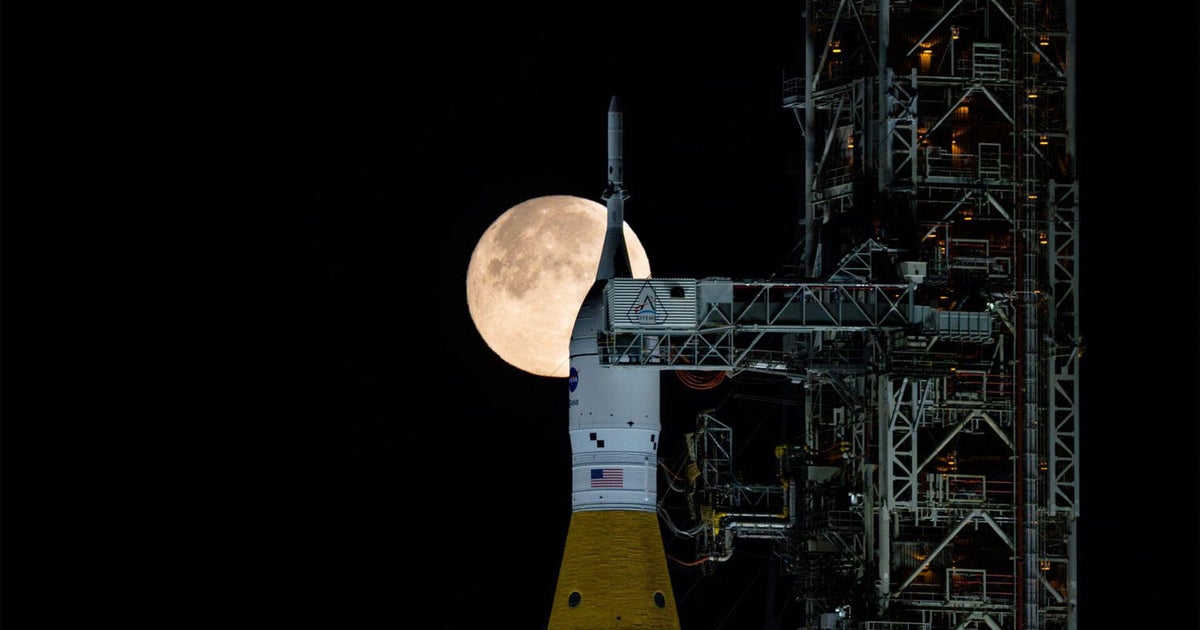
Kennedy Space Center teams conducted a dress-rehearsal countdown ahead of a Monday wet dress fueling test for NASA's SLS rocket supporting Artemis II, planning to load more than 750,000 gallons of cryogenic liquid oxygen and hydrogen into the 177-foot core stage and 45-foot ICPS. The test, delayed two days by arctic weather and intended to validate loading, countdown recycling and drain procedures after 2022 leak-related issues, pushed the earliest Artemis II launch from Feb. 6 to no earlier than Feb. 8 (with Feb. 8, 10 and 11 as available windows), and a failure to meet those windows would move opportunities to March 3-11.
Market structure: The wet-dress fueling test is a near-term catalyst that primarily benefits large, defense/aerospace primes and specialty suppliers with fixed-price/cost-plus NASA contracts (tickers to watch: LMT, NOC, RTX, AJRD, BA) because schedule slips translate into more billable engineering hours and higher program cashflow over quarters. Small-cap launch vendors and commercial launch operators (private SpaceX/Blue Origin peers, non-listed) see neutral-to-negative optics since public confidence in government crewed programs drives investor attention away from pure-play commercial sats. Pricing power is modest for primes due to government cost-plus posture; successful tests reduce political risk premia and can compress credit spreads for these issuers within 3–6 months.
Risk assessment: Tail risks include a major propellant leak or launch failure that triggers multi-month program suspension, congressional scrutiny, or contract renegotiation, which could knock 10–25% off perceived backlog value for exposed primes in an extreme case. Timing matters: immediate risk window is Feb 8–11 (or slips to Mar 3–11), short-term reaction over weeks as data is reviewed, long-term effects play out over quarters via budget appropriations and contractor margin recognition. Hidden dependencies include insurance claim exposures, supply-chain labor constraints, and political funding cycles (FY appropriations) that can amplify or mute market moves.
Trade implications: Favor concentrated, time-boxed exposure: establish a 2–3% portfolio long in ITA (aerospace & defense ETF) and a 1–2% direct long in AJRD for engine/propulsion upside on a clean test, holding 3–6 months; hedge reputational losers by shorting BA at 0.5–1% if test uncovers new Boeing-related system failures. Use options: buy 3-month call spreads 15–25% OTM on LMT or NOC to limit premium (target cost <2% of position NAV) ahead of confirmed successful fueling; if test fails, buy short-dated puts on LMT/NOC to capture downside within 10 trading days of the announcement.
Contrarian angles: Consensus will either cheer a clean test or overreact to a single failure; investors underprice recurring revenue read-throughs—multiple delays historically led to higher cumulative contractor cashflows under cost-plus contracts, not outright revenue loss, so buying dips after a failure (if political funding remains intact) is defensible. Historical parallels: post-Apollo test delays increased prime backlog and tech leadership; unintended consequence: a flawless Feb launch could shift discretionary NASA budget increases into crewed programs, creating a 6–18 month cyclical boost for suppliers that the market may not fully price in.
AI-powered research, real-time alerts, and portfolio analytics for institutional investors.
Request DemoOverall Sentiment
neutral
Sentiment Score
0.12
