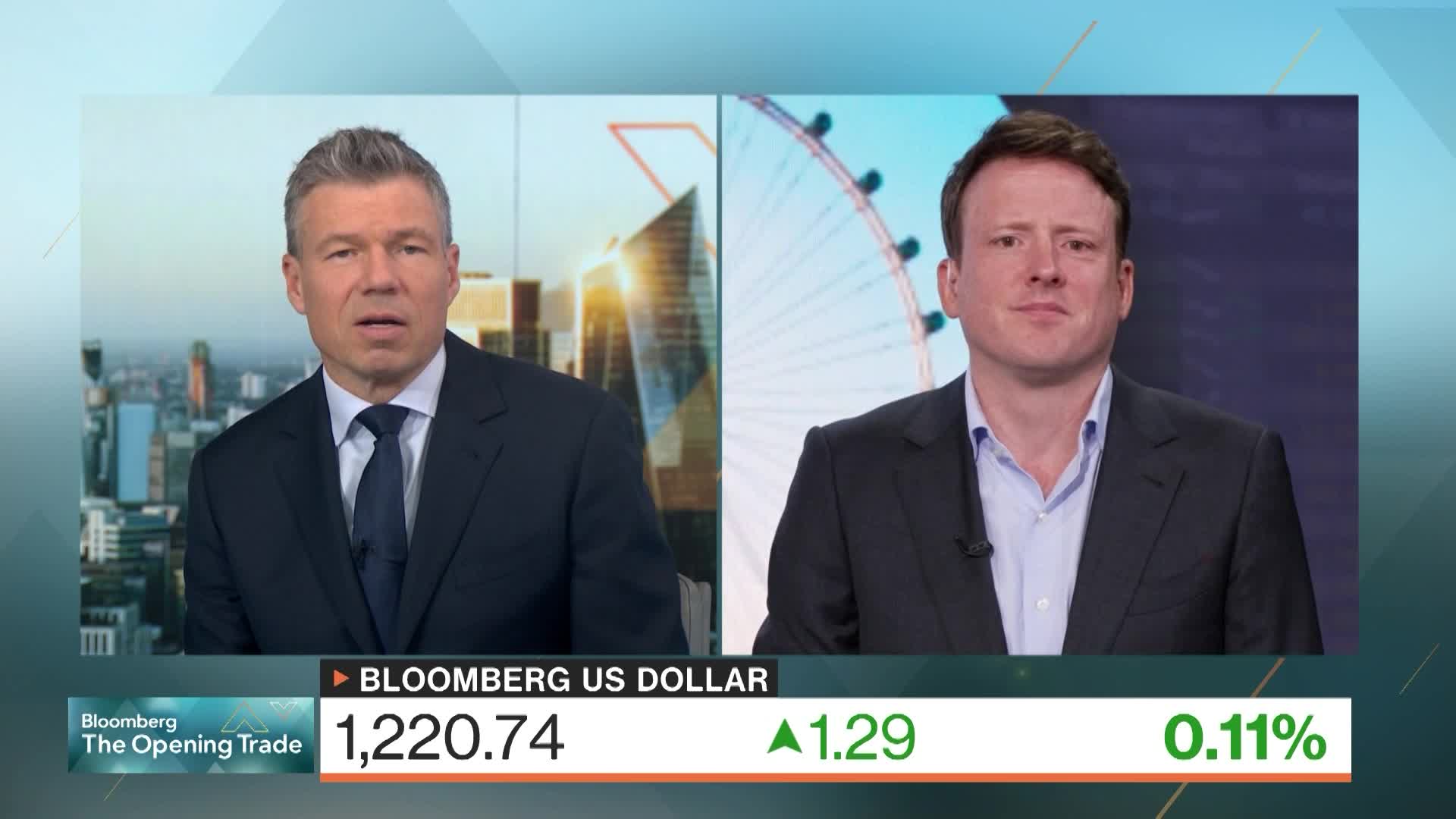
The analyst forecasts a slow, structural depreciation of the U.S. dollar resuming in 2026 driven by political pressure on the Fed toward easier policy, fading corporate repatriation flows that supported the dollar in 2025, and rising hedging/diversification flows from Europe and beyond. A weaker dollar and marginally easier U.S. monetary policy would ease global financial conditions and boost returns on foreign investments—favoring non‑U.S. equities as U.S. share of global market cap declines—while persistent trade frictions and the risk of curve steepening remain key downside risks.
Market structure: A Fed pushed-to-cut narrative + gradual dollar depreciation into 2026 favors non-US equities, EM cyclicals, commodity exporters and FX-hedging flows. Direct winners: EMEA/Asia exporters, copper/oil and EUR-denominated assets; losers: USD-funded short-vol strategies, U.S.-centric index leadership (QQQ/SPY) if repatriation tailwind fades. Cross-asset: easing is bullish for IG/HY spreads (tightening risk premia) and commods; initial curve steepening risk could still punish long-duration bonds near-term.
Risk assessment: Tail risks include a sudden risk-off (geopolitical shock) that re-anchors the dollar higher, or a credibility shock from inconsistent Fed signaling causing a bond-market rout (10y +100bp). Immediate (days-weeks): positioning-driven FX vol; short-term (3–9 months): Fed cuts start to price; long-term (2026): secular depreciation of dollar ~5–10% possible. Hidden dependencies: corporate hedging ratios in Europe, US fiscal flows and any renewed repatriation; these can compress/extend timing materially. Key catalysts: Fed cut cadence (>=50bp by H1 2026 accelerates moves), DXY crossing 100–102, ECB/BoE divergence.
Trade implications: Tilt portfolios to international equities and commodity cyclicals while hedging USD tail risk. Implement staged allocations (scale in on policy-confirming prints), use option structures for asymmetric exposure, and prefer credit beta over duration until cuts are confirmed. Pair trades (non-US long vs US short) and FX-forward overlays are high-conviction relative plays.
Contrarian angles: Consensus underestimates timing uncertainty — the market may price 1–2 premature cuts and then reprice if inflation reaccelerates, producing a sharp USD rally and equity re-rating. EM and commodity rallies may be partially priced; focus on idiosyncratic EM exporters and European exporters with rising hedging demand. Watch for unintended consequences: easier US policy could amplify global liquidity but also rekindle allocation reversals if Fed credibility frays.
AI-powered research, real-time alerts, and portfolio analytics for institutional investors.
Request DemoOverall Sentiment
mildly positive
Sentiment Score
0.25
