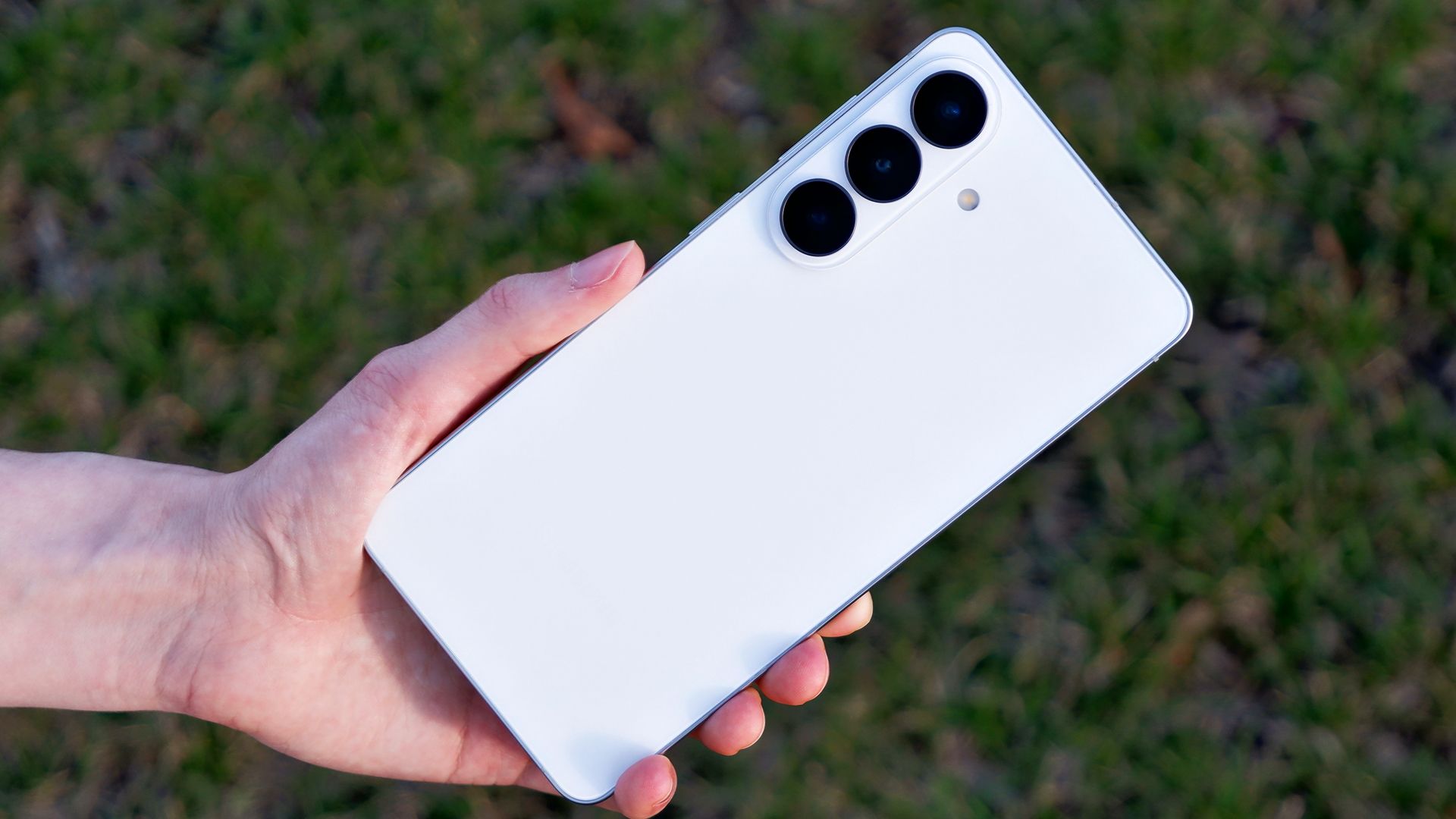
Samsung launched the Galaxy S26 Plus on March 11, 2026 at $1,099 (256GB), a $100 price increase vs the S25 Plus, with a higher-tier 512GB at $1,299 (+$200 vs base). Review highlights best-in-class performance (Snapdragon 8 Elite Gen 5), a 6.7" 3120x1440 120Hz AMOLED and 4,900mAh battery with 45W charging, but criticizes unchanged camera hardware and the $100/£100/AU$150 price hike, which could pressure demand relative to cheaper rivals (iPhone Air $999) and similarly priced competitors (Pixel 10 Pro XL $1,199). Impact to Samsung's outlook is limited but the pricing/feature trade-off may modestly affect near-term consumer adoption in the mid-tier flagship segment.
The handset refresh reinforces a durable theme: supply-chain winners who embed themselves into OEM roadmaps (custom silicon, specialty glass, AI services) capture asymmetric upside as vendors push premium ASPs. Qualcomm, as the primary supplier of customized modem/SoC solutions, benefits not just from unit shipments but from higher-margin, software-tied features that raise lifetime revenue per device; this shifts upside from one-time BOM to recurring platform services over 6–18 months.
Stagnation in a visible component (camera hardware) is a tactical opening for competitors that differentiate via software stacks and imaging pipelines. That dynamic favors firms that combine software-first differentiation with cloud/ML backends — gains that can accumulate in share over multiple device cycles rather than a single quarter, and which are most visible in upgrade rates and accessory ecosystems.
On the materials side, sustained premiumization of displays and protective glass keeps pricing power with legacy glass suppliers while raising capital intensity for fabs and coatings providers. Incremental adoption of higher-spec glass across more SKUs would lift ASPs and extend lead times for specialized fabs, a multi-quarter to multi-year tailwind for incumbents unless competitors vertically integrate.
Key risks: consumer price sensitivity and macro-driven elongation of upgrade cycles can blunt all of the above within 1–4 quarters; an OEM decision to in-source silicon or accelerate camera hardware upgrades would reverse supplier upside more abruptly (3–12 months). Regulatory or antitrust moves that force data portability or limit bundled AI services could also rerate cloud/AI beneficiaries over a 12–36 month horizon.
AI-powered research, real-time alerts, and portfolio analytics for institutional investors.
Request DemoOverall Sentiment
mildly positive
Sentiment Score
0.20
Ticker Sentiment
