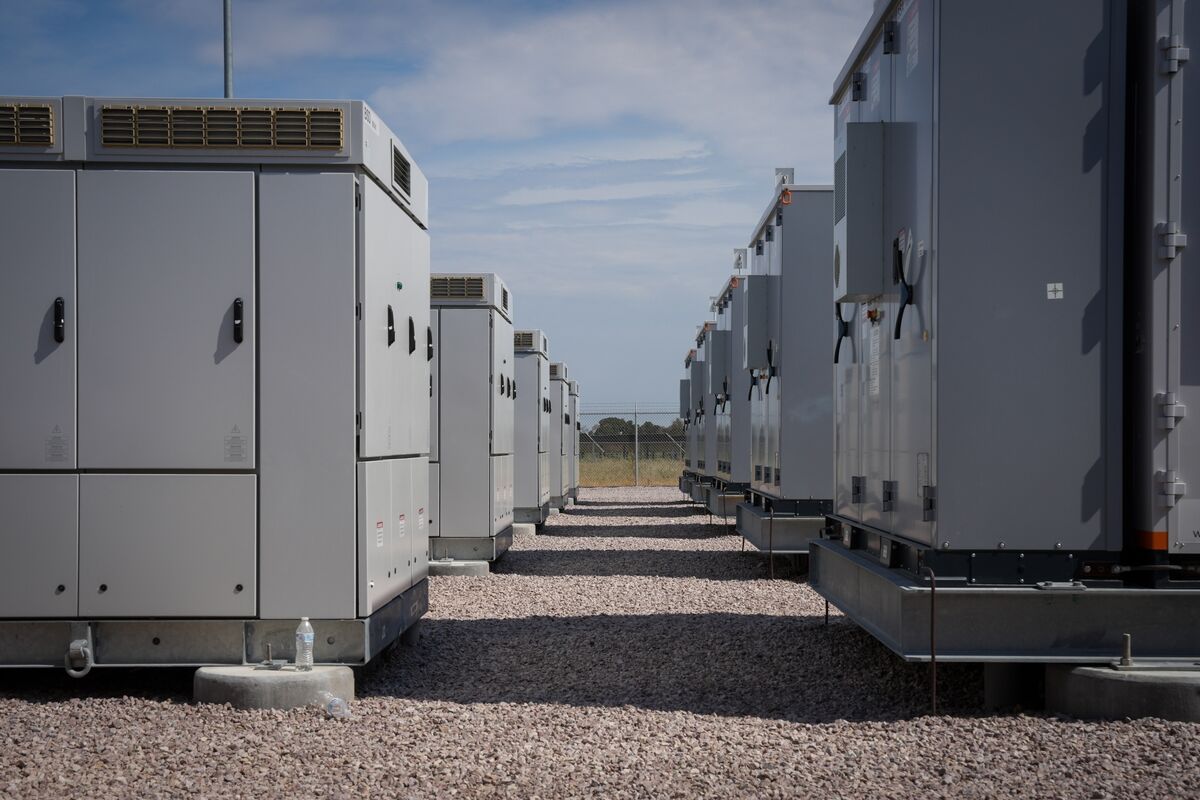
China is implementing new restrictions on battery exports, leveraging its dominant position in the industry to gain an advantage in trade negotiations with the US. This move is significant as the US is heavily reliant on Chinese batteries for critical infrastructure, including grid stabilization and powering data centers, potentially impacting US companies and escalating trade tensions.
China's newly announced restrictions on battery exports represent a significant escalation in trade tensions with the US, leveraging its commanding position in the global battery industry. This strategic move mirrors Beijing's prior use of rare earths as a trade war tool, highlighting a pattern of weaponizing critical supply chain dominance. The US's heavy reliance on Chinese batteries for essential infrastructure, including grid stabilization and powering rapidly expanding data centers, makes this a potent point of leverage.
Analysts anticipate major impacts on US companies, given the high market impact score of 0.7 and the strongly negative sentiment (-0.65) associated with this development. These restrictions could disrupt supply chains for energy storage solutions vital for renewable integration and technological infrastructure. The move underscores increasing geopolitical risks associated with critical commodity dependencies.
This development extends beyond immediate trade negotiations, touching upon themes of energy security, climate policy, and technological innovation. It forces a re-evaluation of supply chain resilience and the strategic importance of domestic manufacturing capabilities in key sectors. The restrictions could accelerate efforts by the US to diversify battery sourcing or boost internal production, though this would take time.
AI-powered research, real-time alerts, and portfolio analytics for institutional investors.
Overall Sentiment
strongly negative
Sentiment Score
-0.65
