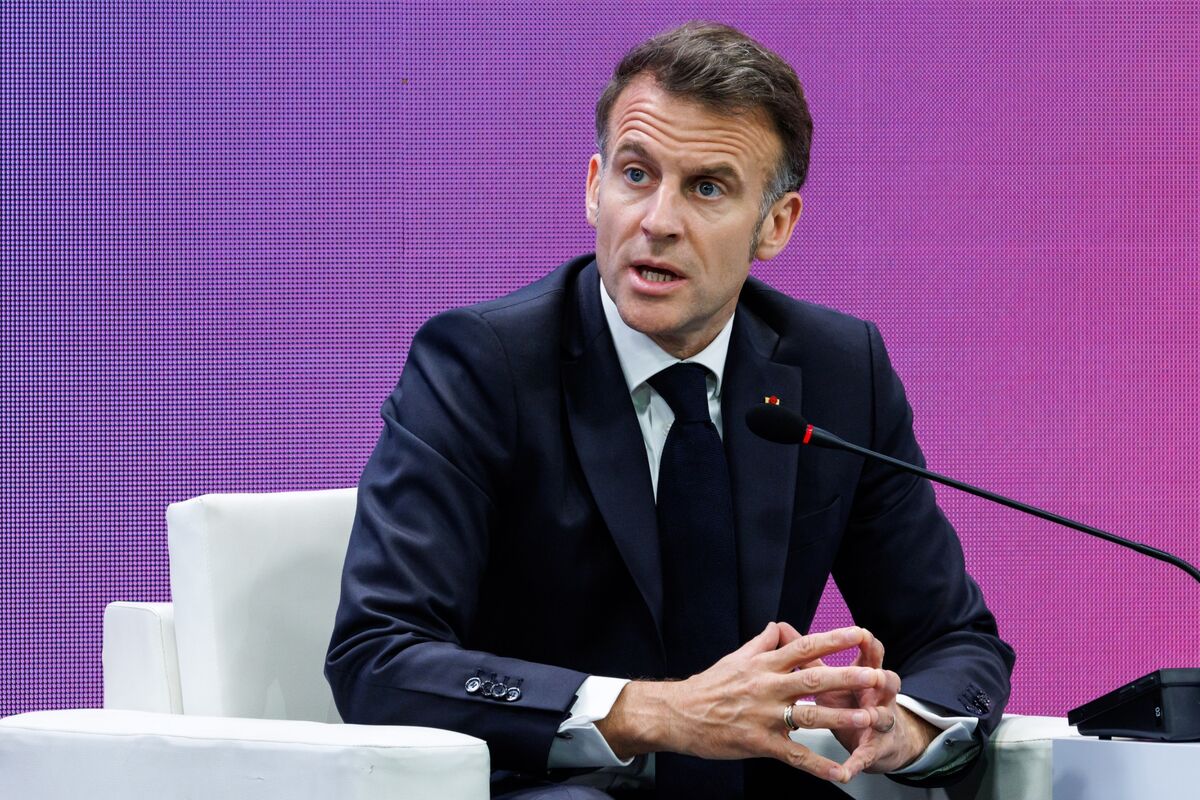
Macron said energy companies are not making undue profits from the Hormuz crisis, while warning the EU could react if that changed. He framed the key issue as a geopolitical bottleneck in energy flows and called for reopening the strait, highlighting potential supply disruptions and price pressure in energy markets.
The market is still pricing this as a headline-driven oil shock, but the real equity signal is policy sensitivity, not just barrels. If EU officials begin framing producer profits as “war gains,” the next move is regulatory rather than operational: retroactive windfall taxes, price caps, or forced domestic supply commitments would compress margins for integrated names faster than spot prices lift earnings. That makes the setup less attractive for long-only energy exposure than it looks on first read, especially for firms with heavier European downstream footprints and politically visible distribution channels. The second-order beneficiary set is narrower than the broader energy complex. LNG, tanker, and non-EU upstream exposure should outperform more than refiners, because bottleneck risk and rerouting demand favor transport and optionality over local margin capture. Conversely, European industrials and chemicals remain vulnerable to any sustained freight or crude spike; they face input-cost inflation with weak pass-through, and that drag typically shows up in 1-2 quarters rather than immediately. The contrarian miss is that geopolitical risk premiums often mean-revert faster than implied vol once there is no actual physical disruption. If the strait remains open, the market can unwind a meaningful fraction of the premium within days, while macro headlines keep EV/defensive rotation buyers late to the trade. That asymmetry argues for expressing the view with defined-risk options rather than outright beta, because the upside from a true supply shock is large but the more probable outcome is political noise without lasting flow interruption. The key catalyst window is the next several sessions: any concrete EU response on taxes or price controls would matter more than further rhetoric. Over a 1-3 month horizon, the important question is whether insurers, shippers, and counterparties start pricing route-risk into contracts; that would be the first durable sign the disruption is becoming structural rather than episodic.
AI-powered research, real-time alerts, and portfolio analytics for institutional investors.
Request DemoOverall Sentiment
neutral
Sentiment Score
-0.05
Ticker Sentiment
