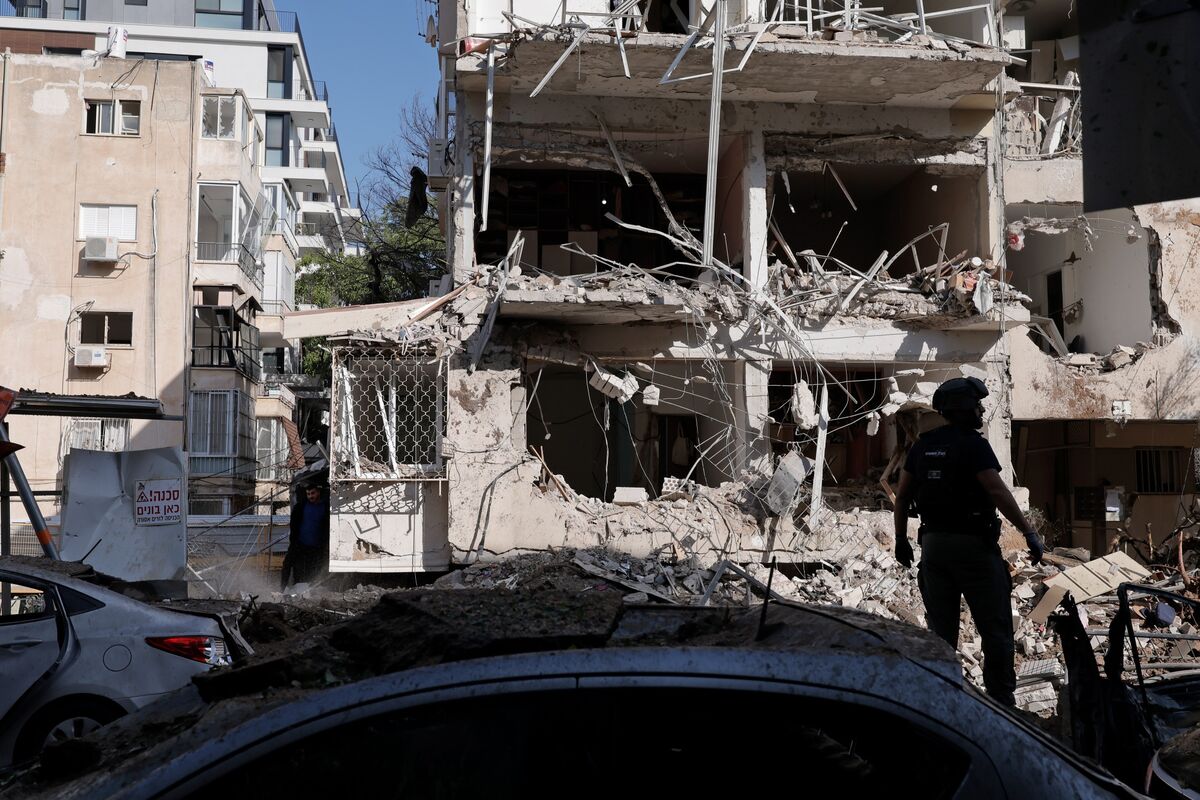
Israel reports Iran still has more than 1,000 ballistic missiles capable of reaching it, and estimates Hezbollah in Lebanon holds 8,000–10,000 shorter-range rockets. The counts were disclosed in recent Israeli military briefings and an air force officer interview, marking a more open assessment of regional arsenals. The disclosures raise the risk of escalation in the region and are likely to prompt risk-off positioning, potential upward pressure on oil prices and safe-haven assets, and increased attention to defense-sector exposure.
A sustained, credible regional threat changes procurement math: militaries and allied states prioritize resilience (air/missile defense, ISR, loitering munitions, coastal ASuW) and will accelerate both stockpile replenishment and near-term emergency buys. Those needs translate into outsized revenue and margin upside for suppliers of interceptors, long-range sensors, and precision munitions over a 6–24 month window, but procurement lead times and component shortages mean realized revenue will be backloaded and lumpy.
The more interesting second-order supply-chain effects favor specialized subsystems and niche suppliers—high-reliability RF semiconductors, seeker optics, propellant chemistry, and tactical datalinks—over broad-cap industrial primes in the near term. Expect multi-layered bottlenecks: small vendors with 30–90 day lead–time advantages can capture outsized margin, while prime contractors face margin pressure from spot premium buys and labor overtime; this bifurcation creates targeted alpha opportunities in small- to mid-cap defense suppliers.
Macro and market channels matter: heightened geopolitical risk will be a persistent risk-off trigger for equities, bid for gold and USD, upward pressure on energy risk premia (shipping/transit insurance), and higher P&C/reinsurance pricing over 12–36 months. Catalysts that would unwind this re-pricing quickly are credible, verifiable de-escalation (diplomacy or rapid neutralization of strike capacity) or a major third‑party security guarantee; absent those, expect multi-quarter elevation in defense spending and insurance premia that underpins the trades below.
AI-powered research, real-time alerts, and portfolio analytics for institutional investors.
Request DemoOverall Sentiment
strongly negative
Sentiment Score
-0.65
