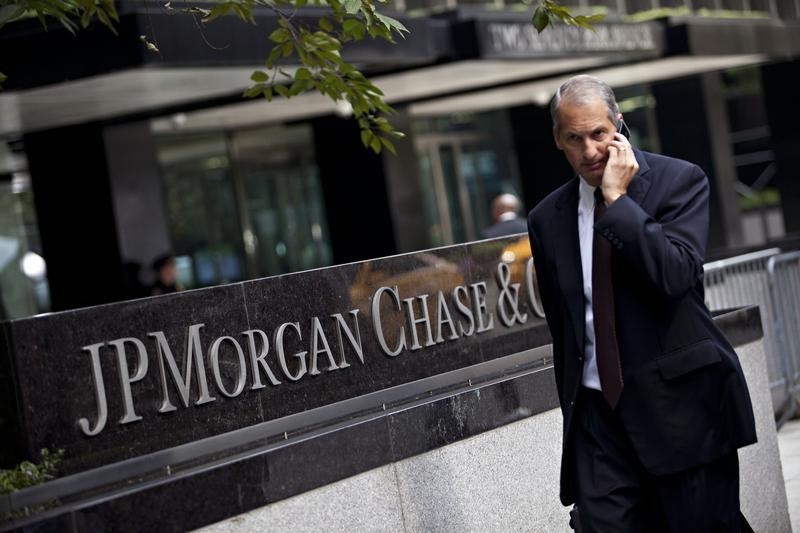
Westlake Chemical was upgraded by JPMorgan to Neutral with a $90 target, but the firm still sees limited upside as the stock trades at $88.59 and about 6.5x EBITDA, near historical fair value. The latest quarter was weak, with EPS of -$0.77 versus -$0.17 expected and revenue of $2.65 billion versus $2.78 billion expected, even as the company declared a $0.53 quarterly dividend. JPMorgan’s view is also tied to polyethylene pricing, with $0.20/lb increases proposed for May after a $0.40/lb rise over the past two months.
WLK looks less like a clean “value” upgrade and more like a cyclical earnings reset disguised by mean-reversion math. If domestic polyethylene pricing is finally moving ahead of export parity, the near-term P&L inflection can be real, but the market is still implicitly debating whether this is a short squeeze in spreads or the start of a durable margin repair. The bigger issue is that a business trading at a premium multiple to its own historical mid-cycle on depressed earnings is highly sensitive to even modest pricing reversals.
The second-order effect is that pricing discipline in PE/PVC tends to be self-defeating once it attracts incremental volume or restarts capacity elsewhere in the chain. If feedstock costs rise alongside oil while final product prices lag, downstream converters get squeezed first, then demand elasticity shows up with a lag of 1-2 quarters. That creates a setup where the apparent benefit to WLK can reverse faster than consensus models suggest, especially if global growth remains soft and housing/industrial demand doesn’t absorb higher resin costs.
For competitors, this is more interesting as a read-through than a one-name call. The relative winners are names with lower operating leverage to spot spreads and stronger cash return profiles; the losers are higher-beta chemical producers that need sustained pricing to repair balance sheets. JHX’s price hikes are a clue that inflation is still being pushed through the value chain, which supports the idea that input-cost pressure is broadening rather than isolated.
The contrarian view is that the market may be underestimating how quickly a ‘fair value’ argument can become a value trap if the recovery is being priced off a normalized EBITDA that isn’t stable. JPM’s valuation framing leaves little margin for execution error; with implied free cash flow still modest relative to share price in the near term, the stock needs both better pricing and cleaner demand to justify upside. Near term, this is more of a timing trade than a fundamental compounder.
AI-powered research, real-time alerts, and portfolio analytics for institutional investors.
Request DemoOverall Sentiment
mildly negative
Sentiment Score
-0.25
Ticker Sentiment
