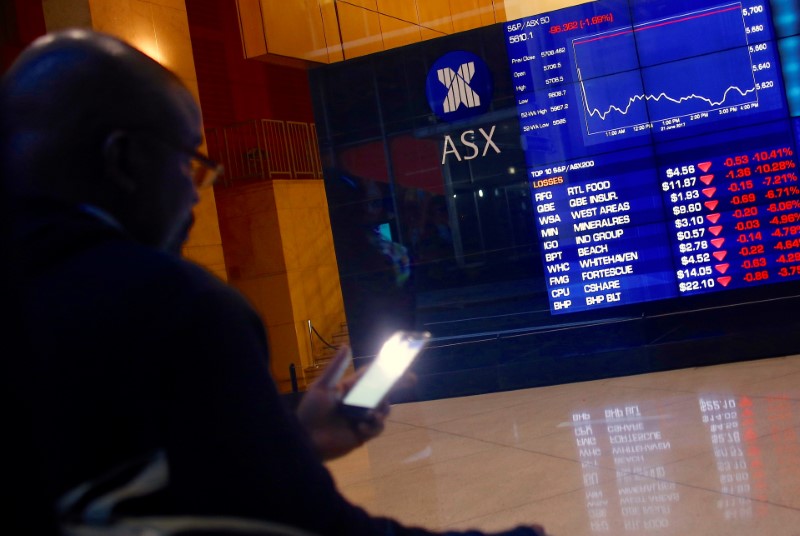
S&P/ASX 200 fell 1.06% on the session as decliners outnumbered advancers 810 to 336 and the S&P/ASX 200 VIX jumped 8.29% to 16.04. Oil rallied (WTI +4.44% to $104.57/bbl; Brent +5.48% to $106.70/bbl) while Gold Futures fell 2.27% to $4,703.76; FX saw AUD/JPY -0.33% to 109.62 and USD Index Futures +0.41% to 99.86. Notable stock moves: Alcoa (ASX:AAI) hit an all-time high (+3.92% to 101.63), while Generation Development (ASX:GDG) slid 10.71% to 3.92 and Zip (ASX:ZIP) dropped 7.87% to 1.58; markets are reacting to heightened geopolitical risk after comments about potential strikes on Iran.
The market is pricing a concentrated, short-dated geopolitical risk window that will lift energy risk premia, freight/insurance costs and options skews over the next 2–3 weeks. Expect oil- and tanker-related cash spreads to widen first (spot/backwardation moves) as physical flows and tanker availability reprice faster than refinery throughput or long-cycle supply responses; that favors short-cycle producers and owners of transport capacity.
The unusual combination of risk-off flows with a stronger USD explains why gold has been sold rather than bid: margin-driven liquidations and rate re-pricing are currently front-running safe-haven demand. That makes gold vulnerable to a continued liquidity squeeze in the next 7–21 days but also creates a volatile two-way trade — a headline de-escalation would snap gold sharply higher once forced sellers are exhausted.
Second-order winners include energy service contractors and short-cycle shale names (they capture near-term Brent upside), tanker owners/charterers and insurers with repricing power; losers include airlines, trade-exposed manufacturing reliant on spot freight, and gold-miners if metal stays under pressure. Supply-chain knock-on effects (delayed bulk cargoes, insurance-driven re-routing) can compress margins for commodity processors in Asia within 4–8 weeks.
Key catalysts to watch: (1) any tangible military action or confirmed Iranian counterstrike (days), (2) SPR releases or coordinated diplomatic pauses (days–weeks) and (3) shifts in oil contango/backwardation and tanker TC rates (week-to-month). These will dictate whether the current repricing is transient or structural over the next 1–3 months.
AI-powered research, real-time alerts, and portfolio analytics for institutional investors.
Request DemoOverall Sentiment
mildly negative
Sentiment Score
-0.15
