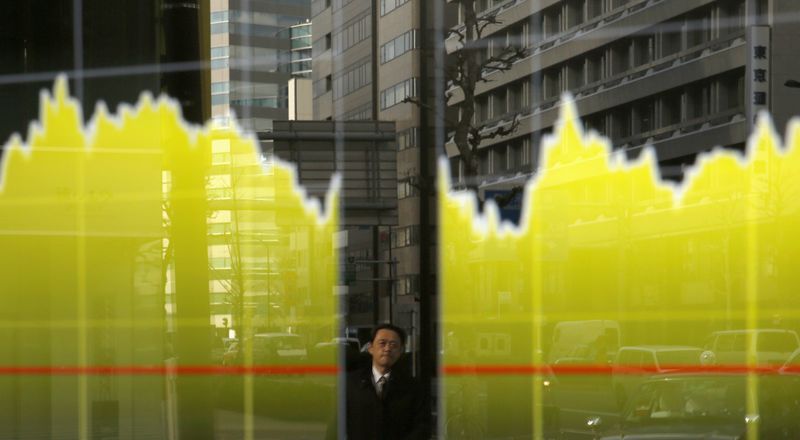
Tokyo's Nikkei 225 closed down 1.87% as losses in Paper & Pulp, Transport and Communication sectors weighed on the market; decliners outnumbered advancers 2,676 to 979. Top gainers included Sumitomo Electric (+3.08%), Japan Post (+3.03%) and Taiyo Yuden (+2.98%), while Tokyo Electric Power (-9.71%), Fujikura (-8.94%) and Mitsui Mining & Smelting (-6.79%) led declines. Nikkei volatility eased 7.22% to 27.61; crude oil and Brent futures rose ~1.9% and 1.8% to $59.68 and $63.51 a barrel respectively, February gold futures ticked up to $4,268.40, USD/JPY fell to 155.60 and the US Dollar Index futures was flat at 99.43.
Market structure: The Yearn Finance pool breach is a DeFi-specific shock that amplifies idiosyncratic crypto volatility while leaving secular AI hardware demand intact; short-term winners are centralized custodians and liquid staking/CEs (inflow of flight-to-safety), losers are leveraged DeFi pools and illiquid crypto credit. Equity moves in Tokyo (Nikkei -1.87%) and rising oil (+1.9%) signal sector dispersion—benefit to energy names, pain to transport/paper where demand softness and FX (USD/JPY ~155.6) compress margins.
Risk assessment: Tail risks include a crypto liquidity spiral leading to forced deleveraging across funds (low prob, high impact) and a regulatory clampdown within 30–90 days; immediate volatility spike (days) is likely, medium-term (weeks–months) looks like rotation into defensives, long-term (quarters) AI hardware demand (SMCI/APP) remains a structural tailwind. Hidden dependencies: prime brokerage margin repricing, BTC futures funding and open interest that can cascade into equity correlation.
Trade implications: Favor concentrated long exposure to AI-hardware winners (SMCI, APP) sized 2–3% each with 6–12 month horizons, hedged vs. semiconductor index (SOXX) to isolate idiosyncratic upside; use put spreads on BTC to hedge crypto beta if holding equities exposed to digital-asset risk. Timing: scale in on a 5–10% dip within next 5 trading days, target 30–50% upside for SMCI/APP over 3–9 months, hard stop at -18% per position.
Contrarian angles: Markets over-index to narrative that crypto breaches equal systemic risk—histor parallels (2016–2019 DeFi hacks) show concentrated losses but rapid risk premium normalization, which benefits liquid, revenue-generating AI names. A regulatory push could paradoxically accelerate centralization and benefit public custodians and listed infrastructure plays; monitor stablecoin reserves and BTC futures OI for signs the panic is structural vs transitory.
AI-powered research, real-time alerts, and portfolio analytics for institutional investors.
Request DemoOverall Sentiment
moderately negative
Sentiment Score
-0.35
Ticker Sentiment
