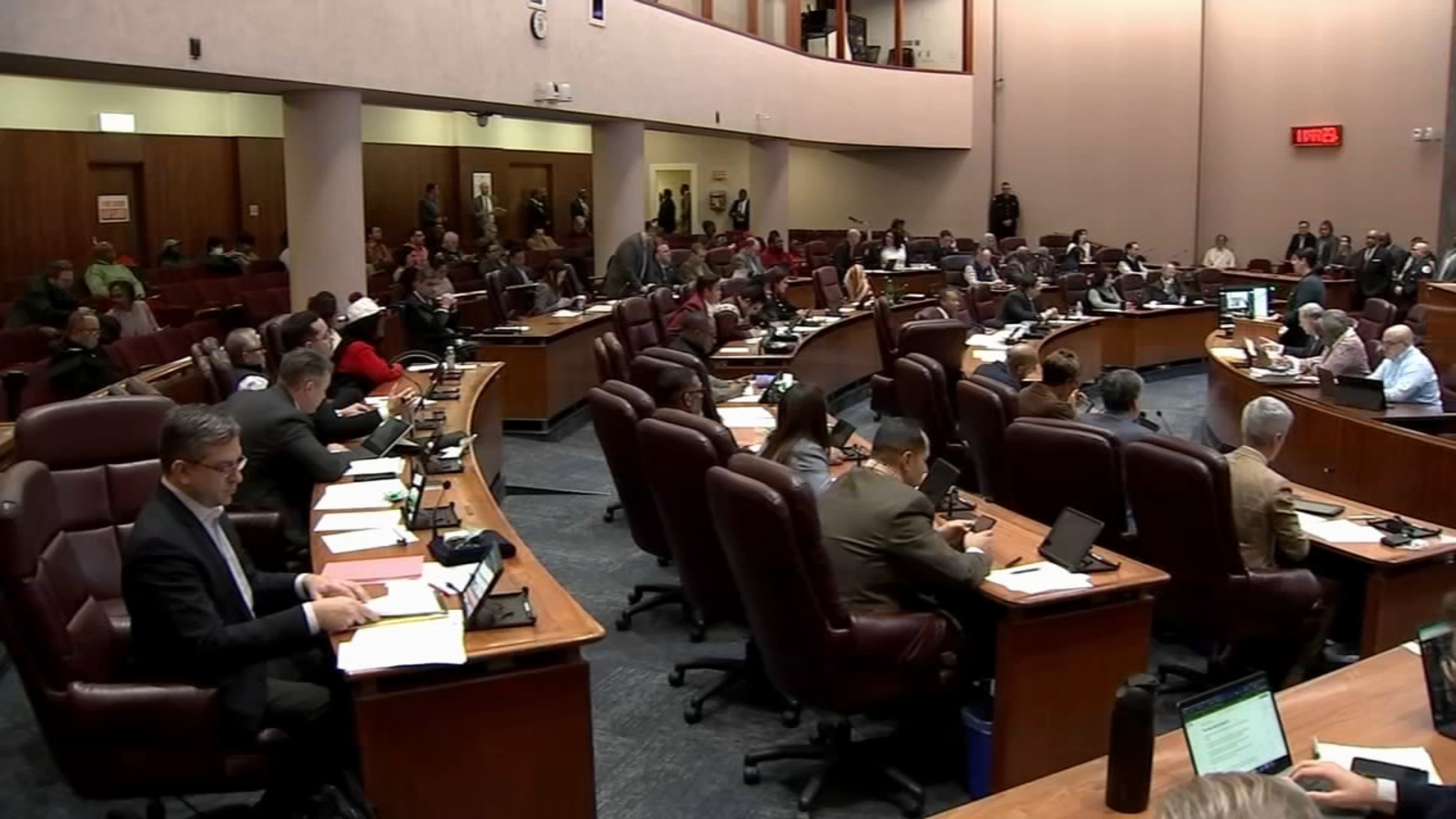
Chicago City Council approved a $16.6 billion 2026 budget, passing 30-18 an alternative plan that excludes Mayor Brandon Johnson's proposed corporate head tax but relies on higher collections, expanded taxes (plastic bag, ride-share, liquor), video gaming, advertising revenue and selling nearly $90 million of delinquent debt. The plan is not veto-proof and the mayor may veto by Christmas; the administration warns the aldermen's proposal would create a $163 million 2026 deficit while the city faces a projected $1.2 billion shortfall driven by expiring federal pandemic aid, rising employee costs and structural imbalances, with Dec. 30 the deadline before a potential government shutdown.
Market structure: The alder/Mayor standoff shifts revenues away from broad tax hikes toward targeted levies and monetization (selling ~$90M in receivables) — clear beneficiaries are outdoor advertisers (light-pole/vehicle ad inventory) and debt‑buyers/collection platforms that can buy municipal receivables (e.g., OUT, LAMR, ECPG/PRAA). Losers are long‑dated Chicago municipal creditors and locally concentrated service providers (rideshare drivers/operators like UBER/LYFT in-Chicago markets) because new ride‑share/liquor taxes and political uncertainty compress local demand/pricing power.
Risk assessment: Tail risk: a mayoral veto leading to a Dec 30 shutdown could force emergency borrowing, rating actions, or a short‑term liquidity squeeze — plausible within 7–10 days and could widen Chicago GO spreads 20–150bps depending on escalation. Hidden dependency: pension restoration demands and expiring federal COVID aid ($1.2B structural gap) mean any 1% revenue miss amplifies deficits; catalysts: veto decision by Dec 25 and bond‑rating commentary within 30 days.
Trade implications: Direct plays — small, tactical longs in OUT and LAMR via 3–6 month call spreads (target +6–15% upside), buy 1–3 month puts on LYFT (5–10% OTM) to hedge local tax risk, and reduce exposure to long‑dated munis by 5–10% of portfolio (reallocate into short IG corporates). Conditional/optional: 0.5–1% opportunistic long in PENN/VICI if Midway gaming survives the political fight after veto window closes.
Contrarian angles: The market underprices receivable monetization winners (debt buyers) and may understate persistent muni spread widening into Q1 2026; consensus may be complacent because a 30–18 council vote isn’t veto‑proof — if veto occurs, price moves could be swift and >100bps for weak Chicago-specific paper. Risk management: size positions small (0.5–2%) and hedge muni exposure; political backlash against selling fines could reverse ad/gaming gains quickly.
AI-powered research, real-time alerts, and portfolio analytics for institutional investors.
Request DemoOverall Sentiment
moderately negative
Sentiment Score
-0.45
