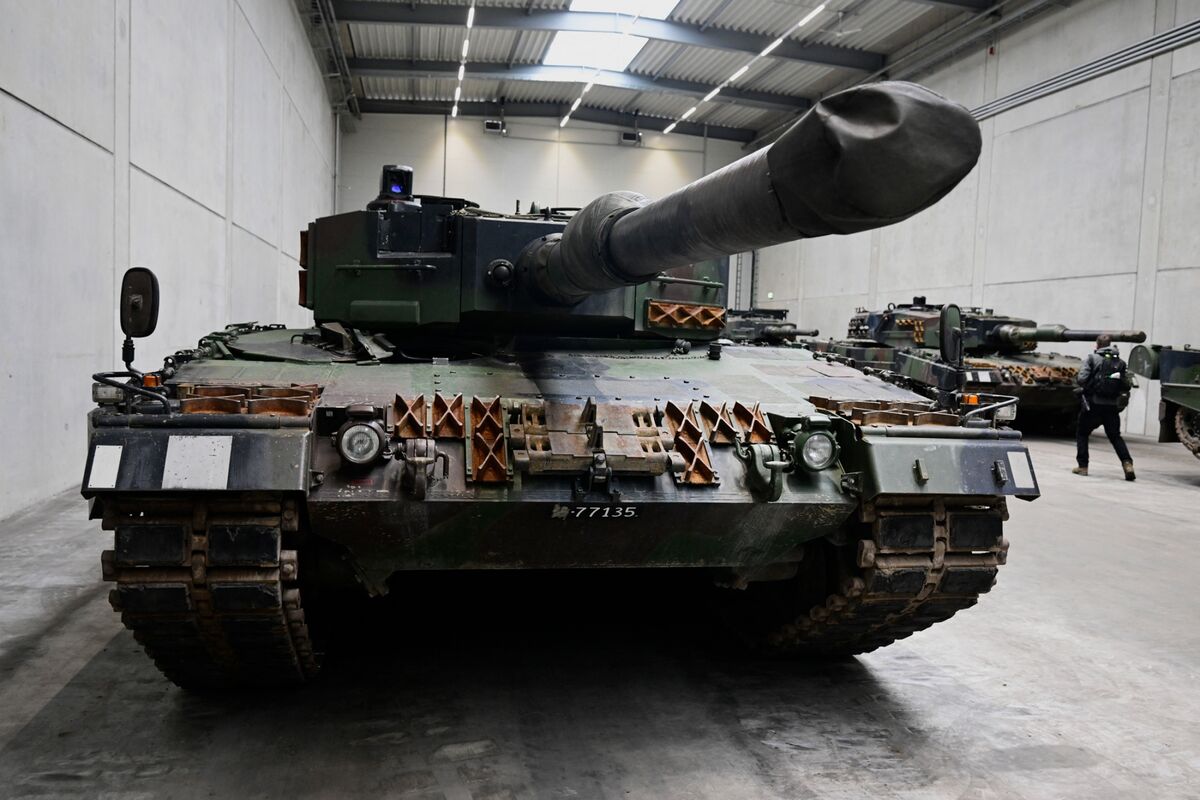
Europe's defense sector grew 13.8% in 2024 to €183.4 billion ($213 billion) in turnover and expanded employment by 8.6% to 633,000, marking the fourth consecutive year of growth, according to the Aerospace, Security and Defense Industries Association of Europe. The report attributes the pickup to years of underinvestment followed by rising defense budgets since Russia's full-scale invasion of Ukraine, a dynamic that should support demand for defense contractors, suppliers and associated government procurement across the continent.
Market structure: The 13.8% YoY jump and sustained hiring point to expanding order backlogs concentrated in large European primes (Rheinmetall, Leonardo, Thales, BAE, Saab) and specialty subsystems (munitions, electronics, land systems). Winners are integrated defense contractors, ammunition and armored-vehicle suppliers and European steel/titanium miners; losers include pure civilian aerospace suppliers facing capacity reallocation and small OEMs without offset/local-content scale. Pricing power should rise for firms with IP and local manufacturing footprints, supporting margin expansion of ~200–400bps over 12–24 months versus pre-2022 levels; this will bid up credit spreads of sovereigns financing higher deficits and lift base-metal prices.
Risk assessment: Tail risks include rapid geopolitical de-escalation (20–30% probability over 12 months) that would reverse procurement momentum, EU export-control fragmentation, and supply-chain failures (chip, specialized steel) that could delay deliveries and compress margins. Immediate (days) reaction risk: tender headlines drive 5–15% swings; short-term (3–6 months): contract awards and FX (EUR) moves; long-term (2–5 years): structural rearmament sustains revenues but requires heavy capex. Hidden dependencies: national offset rules, workforce shortages and inflation-linked contract clauses can blunt EBITDA; key catalysts are major EU procurements and defense budgets due in next 6–18 months.
Trade implications: Favor concentrated long positions in large-cap European defense primes (RHM.DE, LDO.MI, HO.PA, BAES.L) and long base metals (aluminum/steel) for 6–24 month horizons while reducing duration exposure to core Euro sovereigns. Use option structures to buy conviction with defined risk: 9–18 month call spreads on Rheinmetall and Leonardo to capture backlog realization; consider pair trades long defense prime vs short commercial aircraft component suppliers if valuations diverge. Rebalance portfolio weight into IG corporate bonds of defense names (raise allocation by 1–3% and cut Bund duration by 0.5–1.0 years).
AI-powered research, real-time alerts, and portfolio analytics for institutional investors.
Request DemoOverall Sentiment
mildly positive
Sentiment Score
0.35
Contrarian angles: Consensus assumes continuous budget increases; market may underappreciate margin pressure from ramped-up hiring, overtime costs and supplier bottlenecks that could shave 100–250bps from margins in 2025. Valuations may already price much of 2024–25 order growth—look for names with 2026 order-visibility gaps where multiples are stretched. Historical parallel: post-2008 defense rebuilds saw early winners followed by second-tier beneficiaries as offset/localization shifted; watch for unintended consolidation opportunities among mid-cap contractors.
