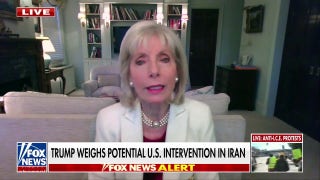
Widespread anti-regime protests in Iran have intensified debate over succession, with analysts warning the outcome will hinge less on ideology than on whether security forces — notably the IRGC, Basij and regular military — hold together or fracture. Possible outcomes range from a military-led transition or elite reshuffle that preserves coercive institutions to a protracted, grassroots-led change with exiled figures (Reza Pahlavi, MEK/NCRI) vying for influence; no clear successor exists and a drawn-out period of instability could raise regional security risks and tilt markets toward risk-off positioning, particularly around energy and geopolitical risk premia.
Market structure: A sustained Iranian breakdown or regional escalation is a net positive for oil price volatility and defense contractors and negative for regional EM assets, airlines and tourism. A 0.5–1.5 mbpd supply shock (plausible if exports or Strait of Hormuz transit are disrupted) would push Brent/WTI vol higher and restore OPEC/Russia pricing leverage; spot tightness would be amplified where global spare capacity <3 mbpd.
Risk assessment: Tail risks include a kinetic US/Iran clash, closure of shipping lanes, or full IRGC fragmentation; each is low-probability but would cause outsized moves (oil +15–40% in weeks, EM FX -10–25%, regional CDS +200–500bp). Immediate (days) = volatility spikes and flight to safes; short-term (weeks–months) = capital reallocation to defense/energy and EM outflows; long-term (quarters+) = higher baseline defense budgets and potential long-run rerouting of energy supply chains.
Trade implications: Tactical plays should favor limited, defined-risk positions: short-dated oil call spreads, selective longs in LMT/RTX, and hedges via GLD/TLT/UUP while cutting EM exposure. Entry window: immediate to 6 weeks for tactical oil vol; 3–12 months for defense secular exposure. Use options to cap downside and scale on confirmed escalation triggers (Brent > +20% or credible attacks).
Contrarian angles: Consensus may overstate Iran's ability to restore full exports quickly—market underprices protracted disruption but also underestimates SPR and Saudi/Russia offset capacity. Historical parallels (2011 Arab Spring) show sharp oil spikes can mean-revert within 4–8 weeks when diplomatic measures intervene. Beware energy longs into news-driven rallies without clear escalation-confirmation; diplomatic de-escalation can wipe short-term gains.
AI-powered research, real-time alerts, and portfolio analytics for institutional investors.
Request DemoOverall Sentiment
moderately negative
Sentiment Score
-0.45
