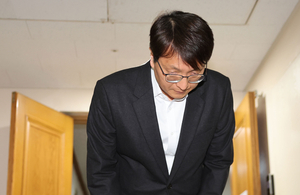
Coupang disclosed a massive data breach affecting 33.7 million users—nearly its entire 34 million monthly active user base—with names, phone numbers, emails and home addresses exposed after unauthorized access that persisted for roughly five months beginning June 24; payment and login credentials were said to be stored separately and not accessed. The government has launched a joint public-private probe involving the Personal Information Protection Commission, police and NIS, Seoul has warned of phishing and secondary scams, and regulators signaled potential "strict sanctions" if data-protection obligations were breached; precedent fines (e.g., SK Telecom's 134.8 billion won) suggest material regulatory risk. For investors, the incident elevates near-term operational, legal and reputational risks that could meaningfully pressure Coupang’s equity and valuation pending investigation outcomes, regulatory penalties and customer trust erosion.
Market structure: Coupang (CPNG) is the clear immediate loser — expect elevated churn and reputational damage to knock monthly active users down 5–15% over 1–3 months absent aggressive remediation, compressing GMV growth and pricing power. Winners are cybersecurity vendors (PANW, CRWD, FTNT) and incumbents with stronger trust moats (AMZN, regional Naver shopping) who can credibly market security as a differentiator; expect customer-acquisition-costs to fall for competitors and cybersecurity services revenue to rise 10–25% year-on-year in Korea/Asia industrial programs.
Risk assessment: Tail risks include government fines exceeding the SK Telecom precedent (>134.8B won/~$92M), class-action damages and mandated consumer remedies that could aggregate >$200–300M, and potential regulatory orders (forced audits, data-handling restrictions) that impair operations for quarters. Immediate (days) risks are reputational headlines and share-price volatility; short-term (weeks–months) hinge on forensic findings and fines; long-term (quarters–years) hinge on user LTV erosion, increased security capex and higher funding costs (wider credit spreads).
Trade implications: Tactical short CPNG (establish 3–5% net short equity or buy 3–6 month puts 10–25% OTM) targeting a 30–50% downside scenario, stop if breach-repair announcements materially reduce churn (<5% MAU decline) or if company announces buyback/comp >$100M. Allocate 2–4% long to PANW/CRWD or HACK ETF as 6–12 month plays on accelerated enterprise spend; consider pair trade short CPNG / long AMZN (1:1 market beta-neutral) for 3–6 months.
Contrarian angles: Consensus assumes permanent share loss; historical parallel Target (2013) shows breaches can be largely recouped in 9–18 months if payment data intact — here payment credentials were not accessed, raising the probability of recovery to >50% within 12 months. If regulators levy fines <100B won and Coupang funds a credible compensation program, the stock could materially retrace, so size shorts with strict exits and consider volatility-selling (credit put spreads) only after 4–8 weeks when IV stabilizes.
AI-powered research, real-time alerts, and portfolio analytics for institutional investors.
Request DemoOverall Sentiment
strongly negative
Sentiment Score
-0.70
Ticker Sentiment
