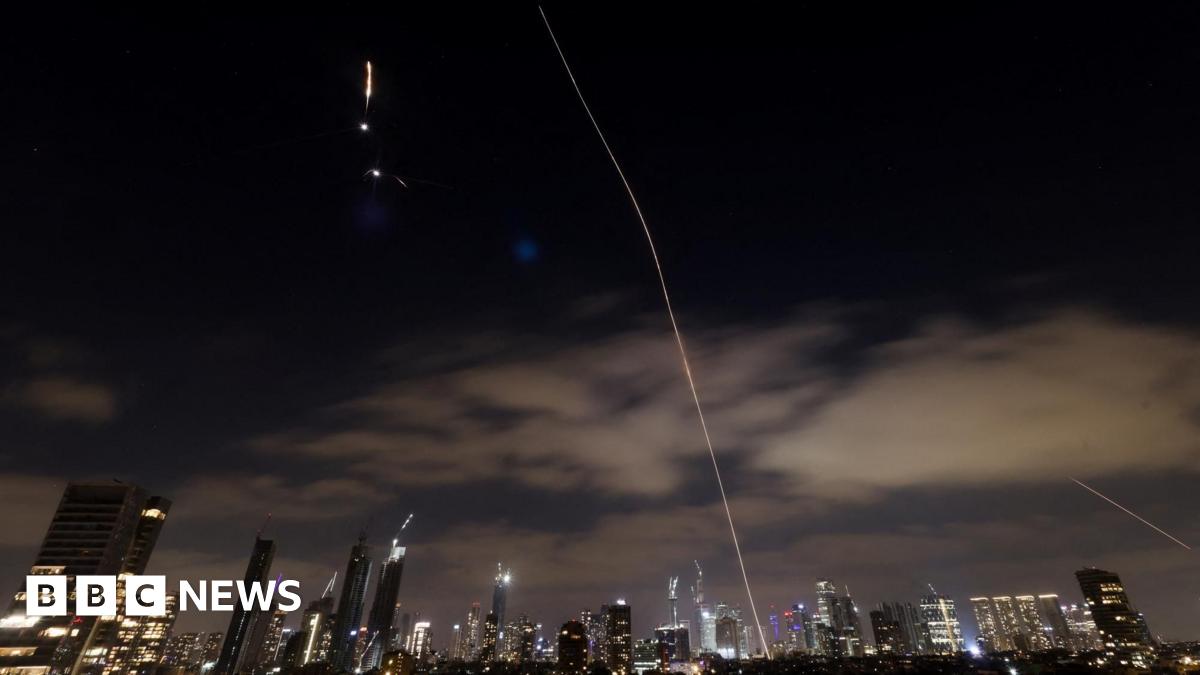
Tensions between Israel and Iran escalated as Israel struck 250 sites in Iran, reportedly resulting in 128 deaths and 900 injuries as of Saturday midday. Overnight, Iran launched missile strikes on Israel, killing 10 and injuring over 100, followed by another wave of missiles on Sunday, most of which were reportedly intercepted with no impact; the UK Foreign Office has advised against all travel to Israel.
The conflict between Israel and Iran has significantly escalated over the past three days, marked by reciprocal military actions. Israel reportedly struck 250 sites in Iran, leading to 128 fatalities and approximately 900 injuries as of midday Saturday, according to Iranian media. In response, Iran executed overnight missile strikes on Israel, resulting in 10 deaths and over 100 injuries. A subsequent wave of Iranian missile launches on Sunday afternoon was largely intercepted by the Israel Defense Forces, with no reported impacts, indicating some defensive capabilities but underscoring the persistent threat. The heightened tensions are reflected in the UK Foreign Office's advisory against all travel to Israel and a "strongly negative" sentiment score (-0.7) associated with these events. This situation, characterized by an "uncertain" tone and a high "market_impact_score" (0.7), points towards significant geopolitical instability with broad implications for market sentiment and risk appetite, despite US President Trump's reported comment that "Israel and Iran should make a deal, and will make a deal."
AI-powered research, real-time alerts, and portfolio analytics for institutional investors.
Request DemoOverall Sentiment
strongly negative
Sentiment Score
-0.70
