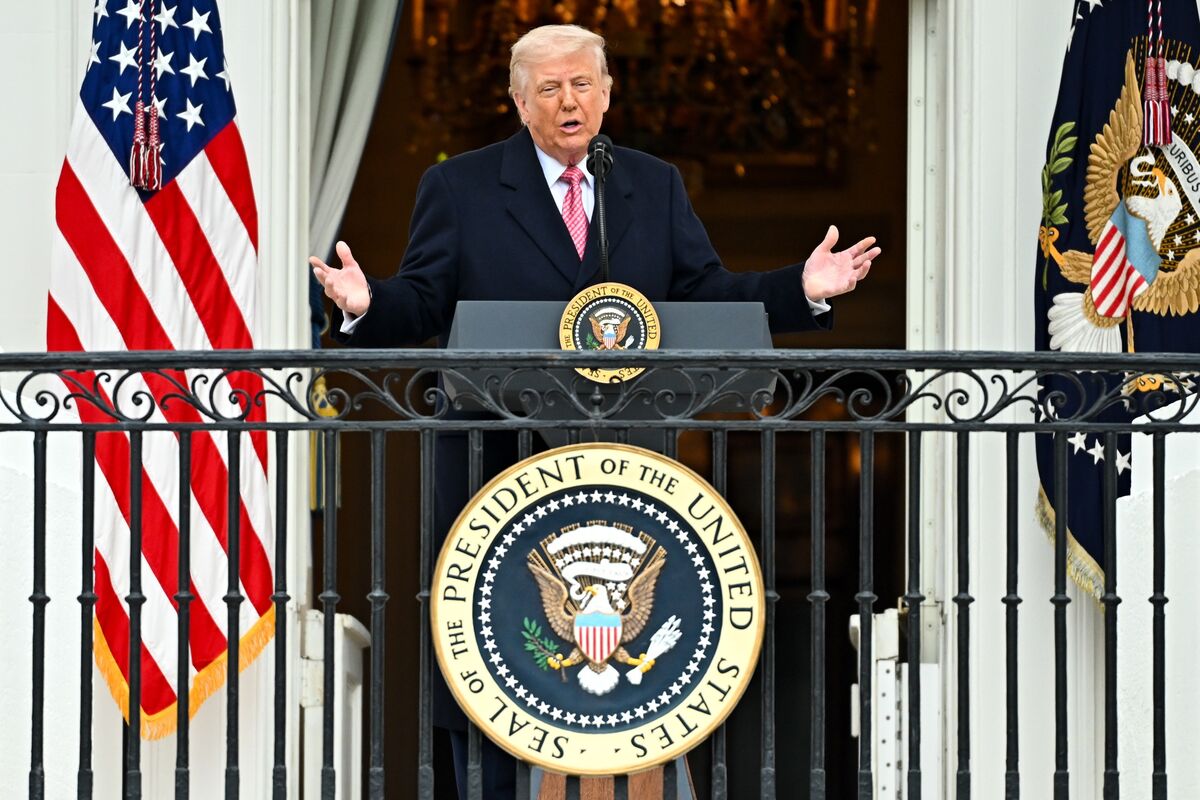
Trump said he expects the war with Iran to end within 2–3 weeks, prompting a near-term risk-on move: Asian stocks posted their largest one-day jump in a year and US bonds extended gains. Brent crude fell below $100/bbl (first time in a week) despite the Strait of Hormuz remaining largely closed and additional US troops arriving in the region. Markets are pricing a de-escalation, boosting equities and bonds and pressuring oil, but the situation remains geopolitically fragile.
Market participants are treating a de‑risking signal as a short-duration event, compressing volatility and rotating into cyclicals and EM beta. That flow dynamic is self‑reinforcing over days-to-weeks because positioning is light and liquidity providers will delta-hedge into the move, amplifying rallies but leaving them exposed to a rapid unwind if a follow‑up shock arrives.
The energy and marine complex remains the true structural arbiter of this cycle: insurance costs, tanker availability and regional storage imbalances create an elevated premium that does not disappear on headlines. That premium transmits into refining margins, freight rates and the economics of arbitrage flows — beneficiaries are asset-light tanker owners and LNG exporters, while integrated producers with heavy capex and long‑dated drilling plans carry the most asymmetric downside if physical disruption resurfaces.
Fixed income and credit are vulnerable to a classic whip‑saw: risk‑on squeezes yields lower in the short run, but persistent commodity premia would reaccelerate inflation expectations and force central banks back into a hawkish posture over 1–3 months. Corporate credit spreads can tighten now, but they have historically reversed fastest when a geopolitical narrative rehits the tape, creating attractive short‑dated carry opportunities for nimble sellers.
Consensus is underestimating the probability of a binary re‑escalation and overestimating how quickly physical energy frictions normalize. The current move is best treated as a tactical window, not a regime change; scale exposure with explicit event hedges and time‑staggered exits rather than buy‑and‑hold allocations.
AI-powered research, real-time alerts, and portfolio analytics for institutional investors.
Overall Sentiment
mildly positive
Sentiment Score
0.30
