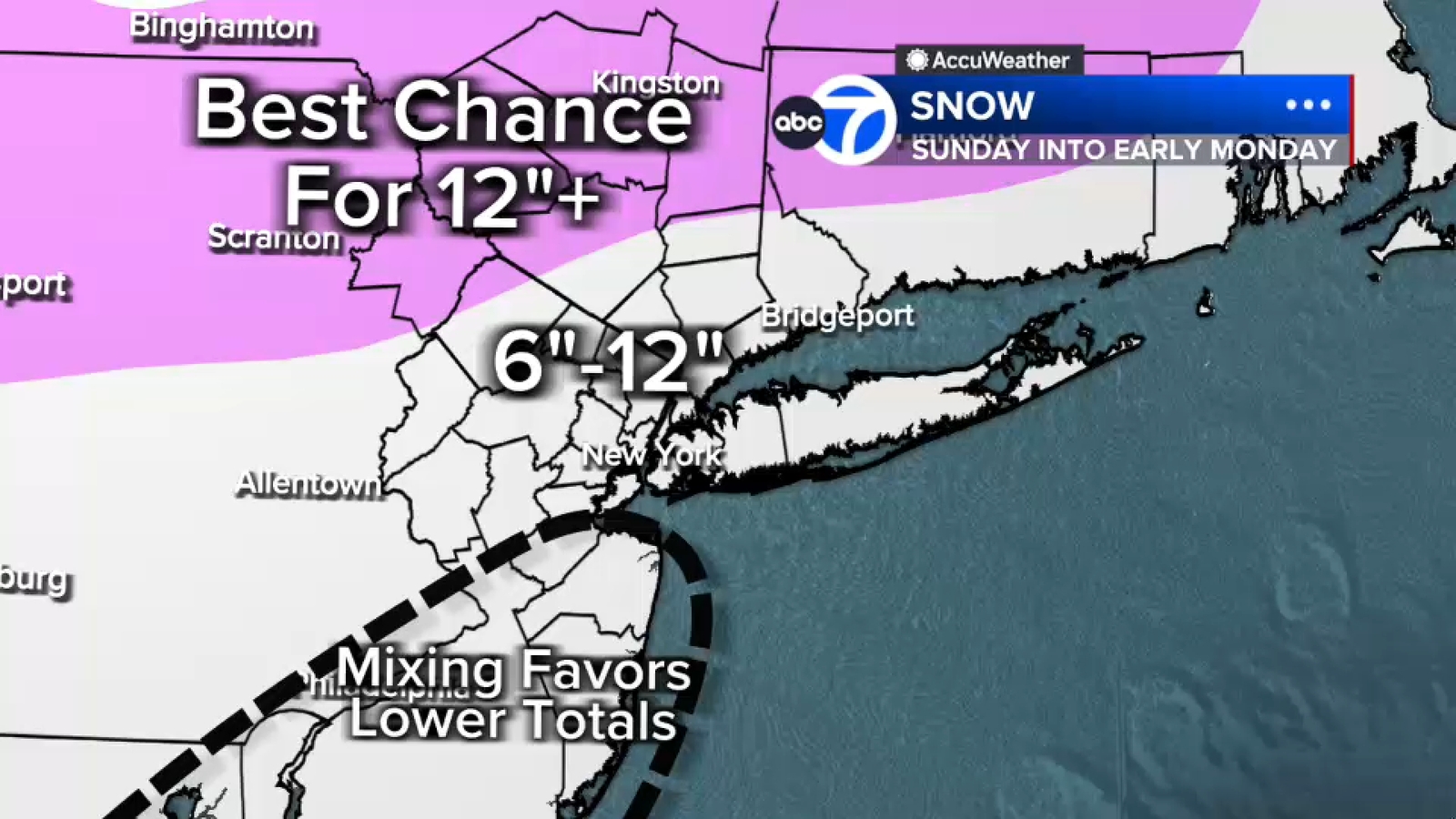
A major winter storm is expected to impact the U.S. Northeast this weekend, with a Winter Storm Watch for the Tri-State area from late Saturday night through Monday afternoon and a Cold Weather Advisory starting Friday night. Forecasts call for localized totals of a foot or more north/west of New York City (northwestern New Jersey, Hudson Valley, eastern Pennsylvania) and 6–12 inches in the city, Long Island and much of New Jersey, though sleet and freezing rain may reduce southern totals. Government agencies are preparing, consumers are stocking food and supplies, and the storm poses short-term risks to transportation, utilities and retail demand in the region.
Market structure: Near-term winners are providers of heating fuel (natural gas, heating oil), road salt and de-icing (Compass Minerals, CMP), rental generators/portable power, and DIY/home-improvement retailers (HD, LOW). Losers are airlines (AAL, DAL, UAL), ground carriers (UPS, FDX), and perishable food logistics; expect spot freight/expedited rates to rise 10–30% for 7–14 days in the affected corridors. Commodities: short-term bid in natural gas and diesel; options IV will spike for travel/logistics tickers; Treasuries may see a modest safe-haven bid intra-day.
Risk assessment: Tail risks include multi-day grid outages that cause concentrated insured losses (AIG, HIG exposure) or extended supply-chain disruptions that shift quarterly revenue — low probability (~5–10%) but >$500m balance-sheet impact for midsize regional carriers. Time horizons: immediate (0–7 days) travel/logistics revenue hit; short-term (2–8 weeks) inventory and substitute purchasing boosts to grocers/DIY; long-term (quarters) minimal structural change unless outages reveal infrastructure underinvestment. Hidden dependencies: salt and generator supply chains are concentrated; one mine/shipping disruption could double salt spot prices within days. Catalysts: NWS severity updates, power outage reports, and initial insurance loss estimates will move prices quickly.
Trade implications: Direct plays: buy short-dated exposure to CMP and UNG for 2–6 week windows; buy calls on HD/LOW to capture consumer prep spending; buy puts on AAL/DAL expiring 2–6 weeks for travel disruption exposure. Pair trades: long HD (retail DIY) / short UAL (airlines) for relative resilience; long CMP / short cyclical mining ETF if salt squeezes. Use options: calendar or vertical spreads to limit theta; expect IV-rich environments in travel names for PUT purchases.
Contrarian angles: Consensus focuses on cancellations; market may underprice the positive retail impulse — historic parallels (Jan 2016 storm) show 3–5% bump in home-improvement sales in the month after major snow. The insurance hit narrative may be overstated relative to insurers’ catastrophe models; if natural gas spikes above $4/MMBtu, energy names could outsize gains. Watch for unintended consequences: elevated e-commerce returns and a temporary CPI uptick in food/energy for 1–2 months.
AI-powered research, real-time alerts, and portfolio analytics for institutional investors.
Request DemoOverall Sentiment
moderately negative
Sentiment Score
-0.30
