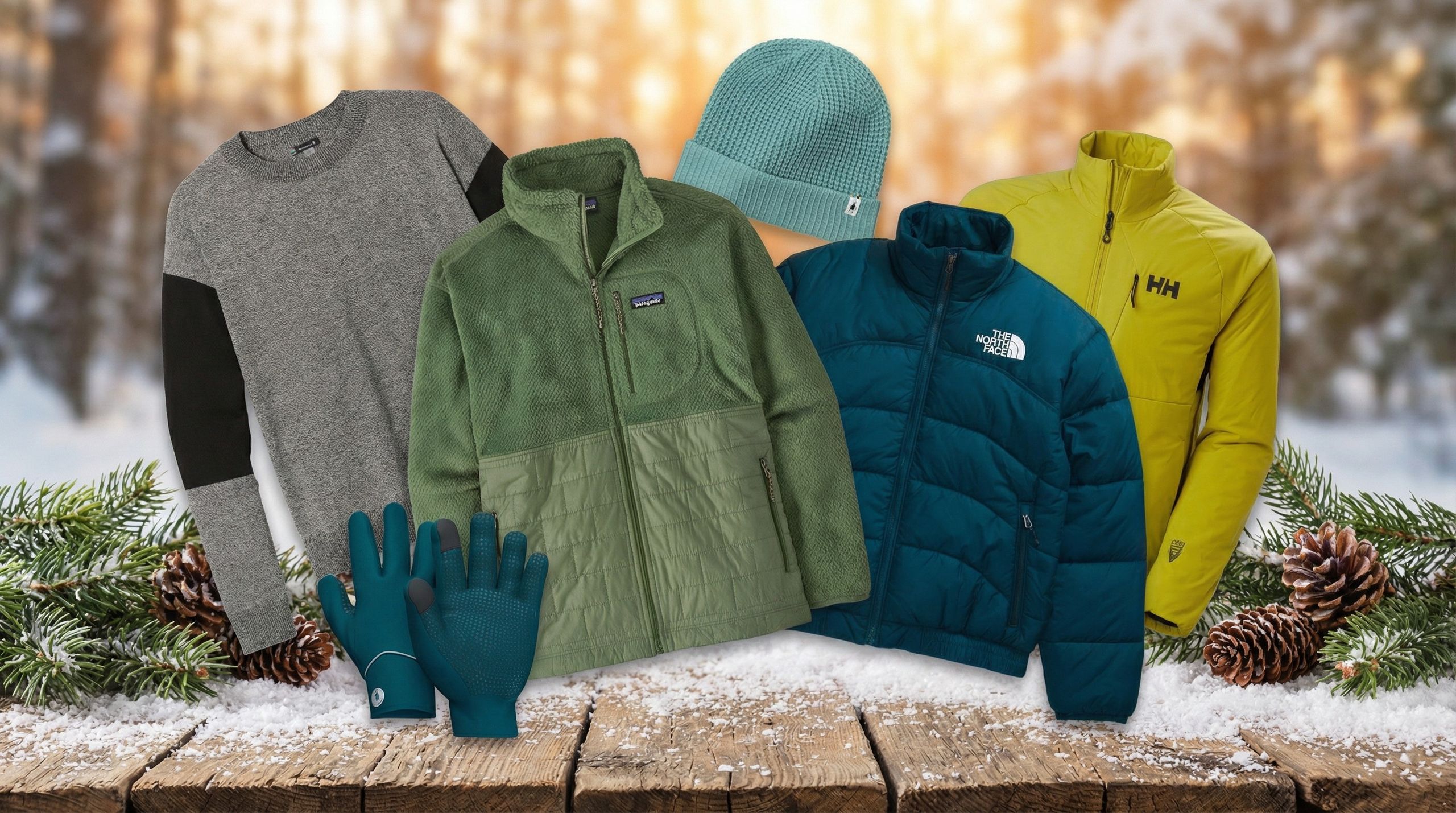
REI has launched a winter sale featuring discounts up to 50% on major outdoor brands including Patagonia, The North Face and Arc'teryx, with select items starting as low as $6 and brand entry price points noted (e.g., Columbia from $14, Patagonia from $15, Arc'teryx from $24, The North Face from $16). This promotion should boost near-term traffic and clear seasonal inventory—potentially supporting short-term revenue and customer engagement—while being unlikely to materially change REI’s longer-term fundamentals or move broader retail market valuations absent broader strategic or guidance shifts.
Market structure: REI’s up-to-50% markdowns transfer near-term surplus value to consumers and traffic winners (REI, discount channels) while pressuring full‑price sellers — expect 100–300bp margin compression risk for brands and wholesale partners if markdowning persists into seasonality windows. Public beneficiaries are flexible accessory players (YETI) and discount retailers that can monetize higher traffic; losers are premium apparel owners (VF Corp/NYSE:VFC as owner of The North Face exposure) and wholesale channels reliant on full-price sell‑through. Competitive dynamics will push peer retailers to match promos, eroding pricing power and accelerating inventory turnover over the next 4–12 weeks.
Risk assessment: Tail risks include permanent brand dilution (loss of premium pricing >5% real price elasticity over 12–36 months), vendor allowance renegotiations that shift cost to brands, or macro shock that turns tactical promos into structural markdown cycles. Time horizons: immediate (days) for traffic/stock-clearing, short (1–3 months) for quarterly margin recognition, long (3–24 months) for brand equity and market‑share shifts. Hidden dependencies include vendor-funded promotions, wholesale buyback clauses, and weather-driven demand volatility; catalysts are Q1 retail sell‑through reports, VFC quarterly guidance, and wholesale inventory disclosures.
Trade implications: Direct plays: size modest option-driven exposure rather than large equity bets. Tactical ideas: buy YETI (NYSE:YETI) on sub‑5% dips with a 1–3 month call spread (5–15% OTM) sized to ~1.5% portfolio because accessory volume should benefit from higher traffic; hedge with a 1–2% short position in VFC (NYSE:VFC) or a 3‑month put spread (5–15% OTM) anticipating margin pressure. Rotate 1–2% allocation out of premium apparel longs into discount retail (e.g., DLTR) and outdoor accessories; enter within 2 weeks, reassess after next quarter’s inventory/sell‑through prints.
Contrarian angles: Consensus overstates permanent harm; many promos are vendor‑funded and tactical — monitor vendor allowance disclosures and VFC margin commentary for a >100bp guidance cut as a true signal. Historical parallels (seasonal REI/Backcountry sales) show short-lived margin impacts but occasional share gains for challenger brands, so look for mispricings where stocks fall >8% on promo noise. Unintended consequence: deeper discounts could expand end‑user base and drive higher repeat purchase rates for mid-priced accessories (benefitting YETI) over 6–12 months.
AI-powered research, real-time alerts, and portfolio analytics for institutional investors.
Request DemoOverall Sentiment
mildly positive
Sentiment Score
0.25
Ticker Sentiment
