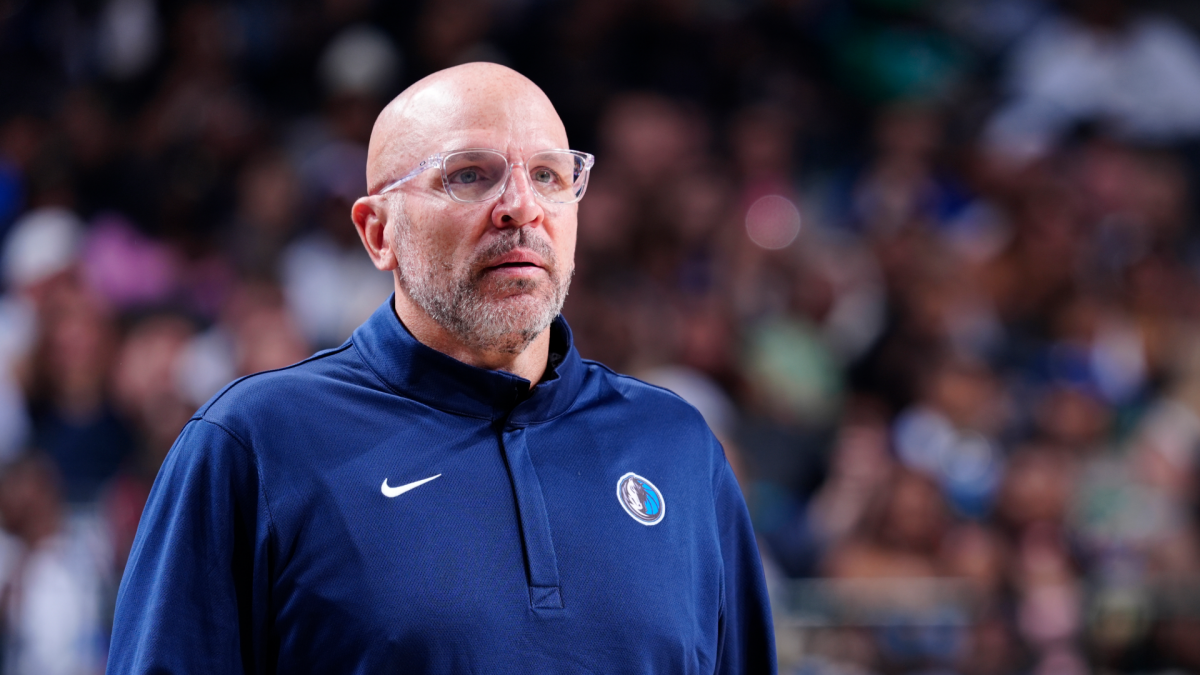
The Dallas Mavericks fired head coach Jason Kidd after five seasons, shortly after hiring Masai Ujiri as team president, signaling a broader reset in leadership. Kidd guided Dallas to two conference finals and the 2024 NBA Finals, but the team has missed the playoffs in each of the last two seasons. The move follows the firing of Nico Harrison and reflects a fresh-start strategy rather than an immediate on-court performance shock.
This is less about a coaching change than a governance reset after a franchise-level credibility shock. When a team has already replaced the top basketball decision-maker, the next move is to eliminate any remaining “shared responsibility” structure that could muddy accountability; that tends to improve execution quality over a 6-18 month horizon, but it also raises the risk of short-term volatility as roster, bench, and developmental priorities are re-litigated.
The first-order winner is not the incumbent roster, but the new president’s authority premium: a clean chain of command usually tightens decision speed on drafting, cap management, and staff hires. The second-order effect is on player development optionality—young, low-cost talent becomes more valuable when the organization is no longer optimizing for survival mode. That favors a team with draft capital and a high-ceiling prospect more than a veteran-heavy roster, because the market will start pricing in a multi-year rebuild rather than a one-off reset.
The main risk is that governance resets often look cleaner in headlines than in outcomes. If the new coach is hired to be a “stabilizer” rather than an innovator, the franchise could still underperform relative to the upside embedded in its asset base for another season, which would keep local fan/media pressure elevated and increase the odds of further churn. The key catalyst window is the next 30-90 days: coaching hire, staff composition, and any signal that the front office is prioritizing player development over immediate competitiveness.
Contrarian view: this may be overinterpreted as a positive simply because fresh leadership is visible. In reality, the hardest part is converting institutional humility into coherent basketball process, and that usually takes at least one offseason and one trade cycle. The market tends to overvalue “new beginning” narratives early; if the next coach is conservative, the reset could disappoint relative to the implicit expectation that the organization has finally solved its identity problem.
AI-powered research, real-time alerts, and portfolio analytics for institutional investors.
Request DemoOverall Sentiment
neutral
Sentiment Score
0.05
