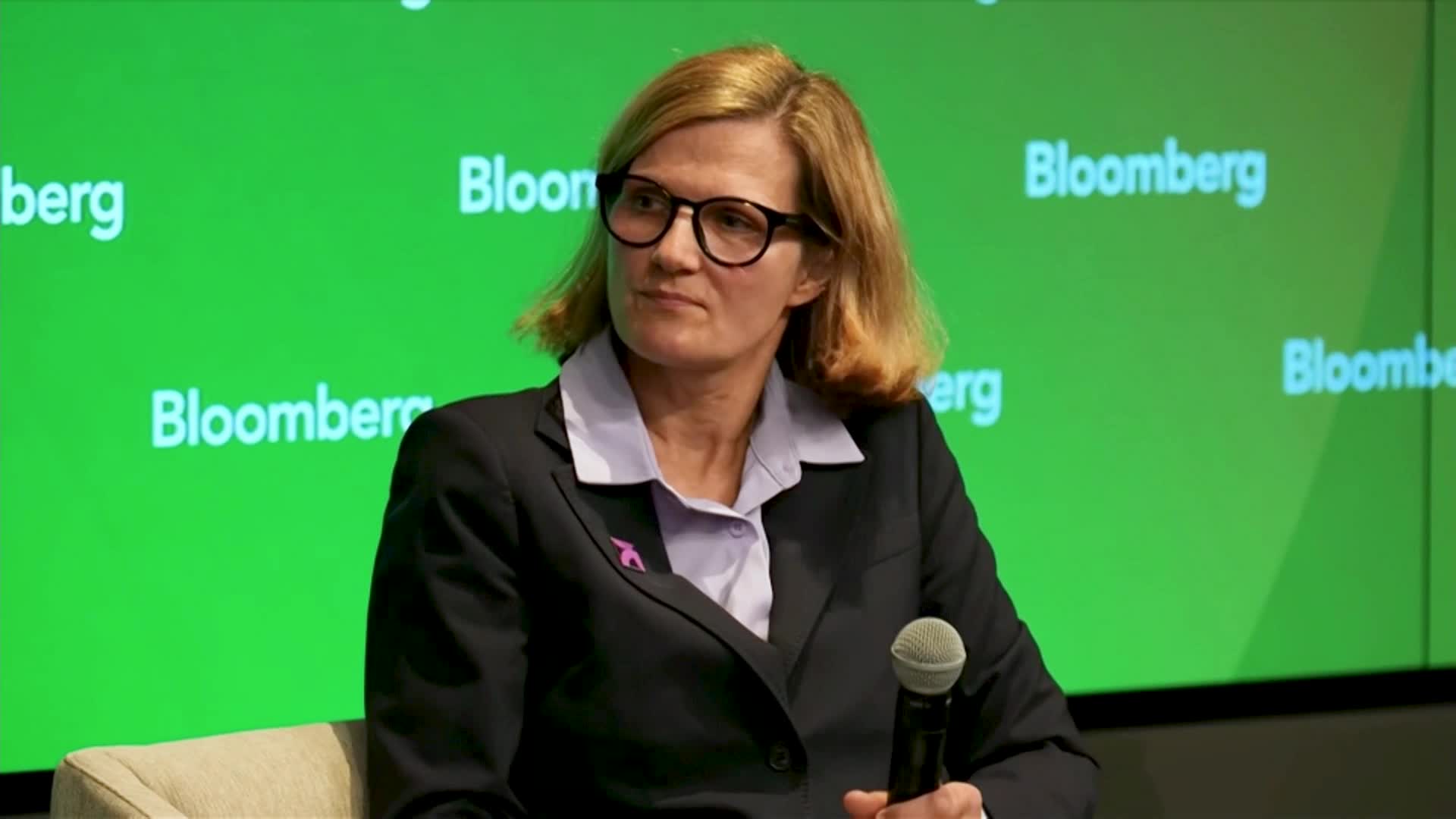
Amova Asset Management CEO Stefanie Drews and Tikehau Capital Vice Chairman Bruno de Pampelonne highlighted new capital flows as evidence of ongoing de-dollarization during a discussion at the Bloomberg Global Credit Forum Tokyo. This observation from senior financial executives underscores a significant macroeconomic trend impacting global asset allocation and currency strategies.
Senior executives Stefanie Drews of Amova Asset Management and Bruno de Pampelonne of Tikehau Capital recently highlighted "new flows" as evidence of ongoing de-dollarization during the Bloomberg Global Credit Forum Tokyo. This observation from prominent financial leaders underscores a developing macroeconomic trend with implications for global financial architecture.
The discussion points to a significant shift impacting global asset allocation and currency strategies, aligning with themes of Currency & FX, Geopolitics & War, and Emerging Markets. Such capital flow changes suggest a diversification away from the U.S. dollar by various global actors seeking alternative reserve or trade currencies.
While the general sentiment surrounding this discussion is neutral, the identified market impact score of 0.3 indicates a low-to-moderate but strategically important development. This suggests the topic is more about long-term structural shifts and strategic positioning than immediate market volatility, warranting close attention from institutional investors.
AI-powered research, real-time alerts, and portfolio analytics for institutional investors.
Request DemoOverall Sentiment
neutral
Sentiment Score
0.00
