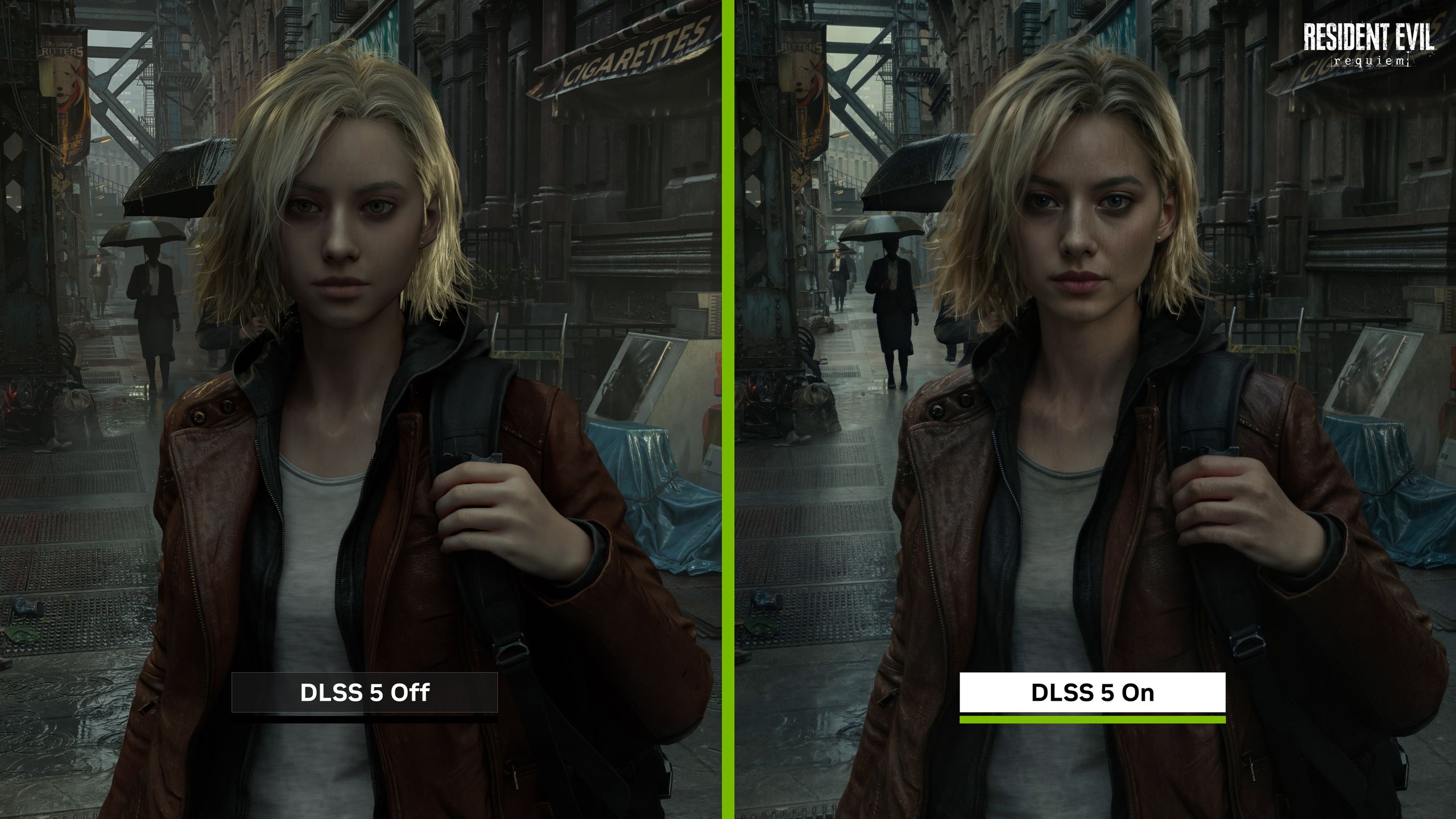
Nvidia's DLSS 5 announcement trailer was taken down on YouTube Italy after a local TV channel issued mass DMCA complaints, and YouTube’s AI moderation removed multiple videos including Nvidia’s own upload. The takedown affected many smaller creators who used the same clip and could face strikes or channel bans; the article cites that YouTube reportedly terminated over 12 million channels in 2025 due to AI-flagged violations, highlighting risks of false positives and potential reputational/legal fallout for the platform and creators.
Recent moderation misfires expose a persistent externality: large-scale automated rights enforcement creates asymmetric costs that accrue mostly to marginal creators and to corporate marketing reach, not to the claimant or the platform. Expect a shift of incremental marketing spend and premiere windows toward closed or authenticated distribution (email-gated, DRM'd embeds, platform partners) where provenance can be enforced cryptographically; that behavior change can compress third-party earned-media velocity by measurable amounts in the weeks after a launch, slowing discovery curves for consumer features.
For platforms, the macro consequence is higher fixed compliance expense and reputational friction that scales non-linearly as regulators and advertisers react. Over 12–24 months this can translate into a mid-single-digit increase in moderation/appeals headcount and third-party verification costs, and it creates a more durable risk of regulatory interventions (notice-and-action standards, faster appeals timelines) that would raise operating costs and slow product release cadence.
Second-order winners are vendors that can offer provable content provenance, robust content-ID, or turnkey hosted video with native licensing flows; incumbents that can integrate watermarking and rights registries into advertising measurement stand to capture recurring SaaS dollars. For large creators and enterprise marketers, the path of least resistance will be direct-to-consumer holding patterns and paid amplification, increasing monetization capture but fragmenting attention — a redistribution that favors platforms and vendors with deterministic monetization instead of ad-share aggregators.
AI-powered research, real-time alerts, and portfolio analytics for institutional investors.
Request DemoOverall Sentiment
mildly negative
Sentiment Score
-0.25
Ticker Sentiment
