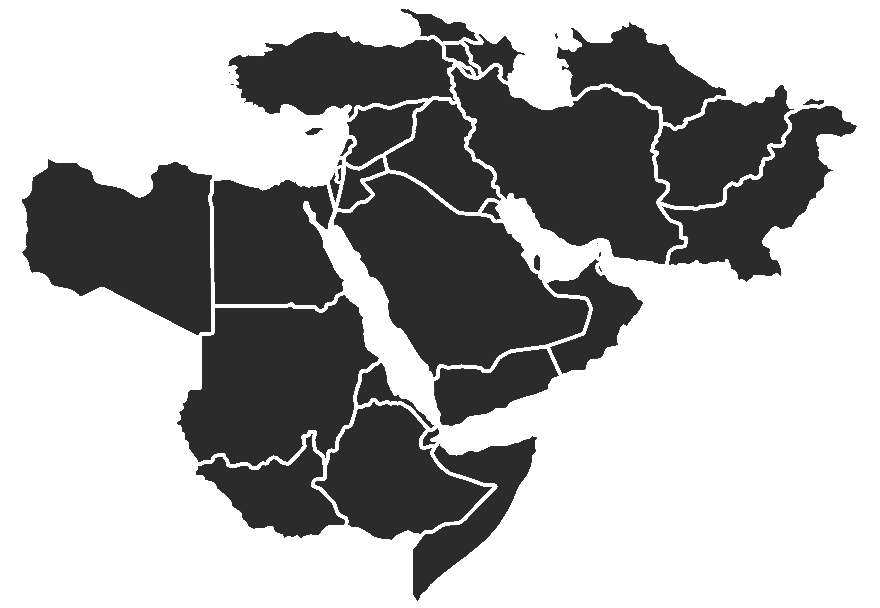
Iran intensified attacks on the UAE over the past 48 hours, including missile and drone engagements and a prior strike on an Emirati-linked vessel in the Strait of Hormuz, raising regional security and shipping-risk concerns. The report says the attacks are intended to isolate the UAE, deter maritime traffic, and reinforce Iran's control framework over the strait, while US officials said May 4 strikes were not a ceasefire violation. Hezbollah also claimed 20 attacks on Israeli forces in southern Lebanon, the most in a day since the April 16 ceasefire.
The market implication is less about a single naval incident and more about Iran testing a pricing model for coercion: selective pressure on one Gulf node, then escalation until insurance, routing, and diplomatic costs rise enough to force concessions. That creates an asymmetric setup where the first-order hit is concentrated in UAE-facing logistics, but the second-order spillover is broader risk premia across Gulf shipping, regional airlines, port operators, and insurers that rely on the assumption that the Hormuz corridor remains administratively open even if tactically noisy.
The more important medium-term signal is institutionalization. Iran is trying to turn episodic harassment into a paperwork regime that can be reused in future standoffs, which means this is not just a ceasefire violation story but a normalization story for “permissioned transit” risk. If that framework gains even partial acceptance, the market should expect a persistent uplift in tanker rates, charter optionality, and working capital for commodity importers in Asia and Europe, with the biggest marginal losers being firms dependent on just-in-time Gulf flows rather than those with inventory buffers or diversified routes.
A key underappreciated risk is that this dynamic can stay below the threshold of overt war while still generating real asset-price damage. The consensus may be too focused on whether the ceasefire holds and not enough on whether repeated low-level actions keep one-way volatility elevated for weeks, which is typically worse for transport equities and broader cyclicals than a brief spike that resolves quickly. Counterintuitively, energy may not be the cleanest hedge if markets decide the issue is frictional rather than supply-destructive; the better expression is via shipping, marine insurance, and defense names tied to maritime surveillance and intercept capacity.
AI-powered research, real-time alerts, and portfolio analytics for institutional investors.
Request DemoOverall Sentiment
strongly negative
Sentiment Score
-0.55
