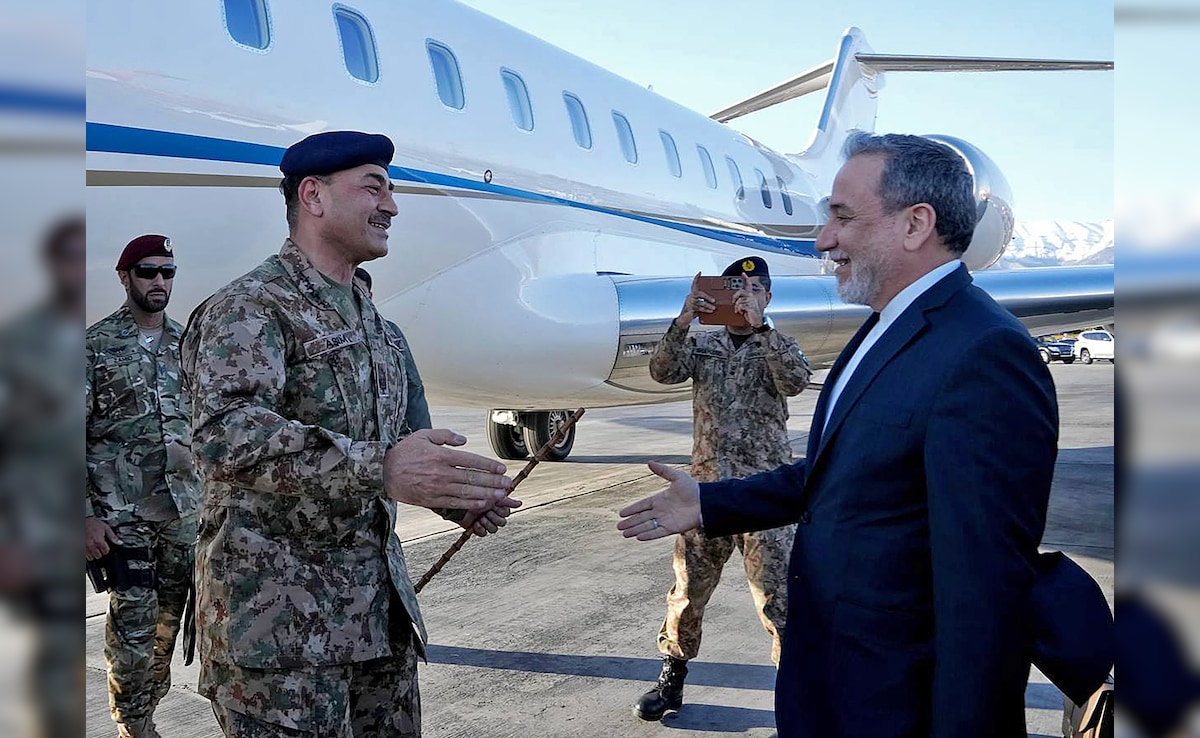
Pakistan was reported to have allowed Iranian military aircraft, including an RC-130, to use Nur Khan Air Base as a shield from U.S. and Israeli strikes, while Iran also parked at least one civilian Mahan Air aircraft in Afghanistan during the conflict. The claims have sparked backlash in Washington, with U.S. lawmakers questioning Pakistan’s neutrality in mediation efforts. Pakistan and the Taliban both denied parts of the reporting, but the story heightens geopolitical risk across Iran, Pakistan, Afghanistan and the U.S.
This is less about Pakistan itself and more about the durability of the US posture in the region: if Islamabad is perceived as selectively enabling Iranian asset dispersion while serving as a mediator, Washington will price in a higher “reliability discount” on any future Pakistan-facing security arrangement. That raises the odds of quieter but meaningful policy friction—intelligence-sharing constraints, delayed assistance, tougher IMF/WB lobbying, and a more skeptical Congress—none of which shows up immediately in markets but can matter over 3-12 months.
For defense names, the near-term read is mildly negative for legacy platforms with exposed supply chains rather than for prime contractors broadly. The article reinforces that adversaries are learning to move high-value aircraft and support assets to dense, politically complex sanctuaries; that is incrementally supportive for ISR, base-hardening, counter-UAS, and long-range strike demand, while increasing scrutiny on airframes that can be trapped on the ground. LMT’s direct read-through is limited, but the broader second-order effect is that survivability and dispersal architectures gain budget share from classic procurement over the next budget cycle.
The contrarian point: the market may be overestimating the probability of hard sanctions or a rapid deterioration in US-Pakistan relations. Pakistan is trying to preserve optionality between Washington, Tehran, and Beijing, and that balancing act often results in headlines but not decisive policy action; absent corroborating imagery or US administrative action, the event may fade into a diplomatic noise trade within days. Still, the reputational hit is real, and repeated incidents would compound into a structural trust deficit that could matter more than the immediate controversy.
AI-powered research, real-time alerts, and portfolio analytics for institutional investors.
Request DemoOverall Sentiment
mildly negative
Sentiment Score
-0.25
Ticker Sentiment
