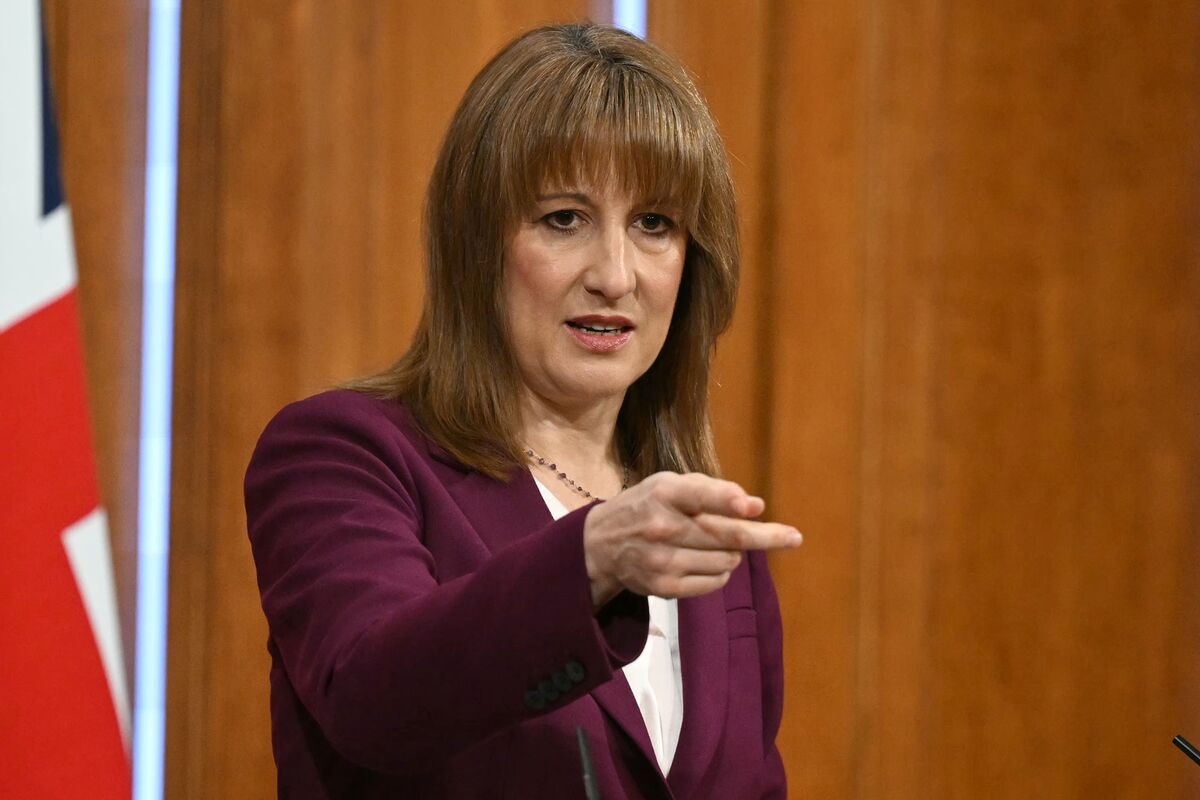
Rachel Reeves, Labour's Shadow Chancellor, has strongly signaled a potential deviation from the party's pre-election commitment not to raise income tax, national insurance, or VAT. She cited the necessity of avoiding deep capital spending cuts in a "difficult" upcoming UK budget, suggesting a potential shift towards higher taxation under a future Labour government that could impact corporate earnings and investment.
Rachel Reeves, Labour's Shadow Chancellor, has strongly indicated a potential departure from the party's pre-election pledge to avoid increases in income tax, national insurance, and VAT. This shift is framed as a necessity to prevent "deep cuts in capital spending" amidst an anticipated "difficult" UK budget. This statement, made during a BBC radio interview, introduces significant uncertainty regarding future fiscal policy.
The potential for higher taxation under a future Labour government carries a strongly negative sentiment (-0.7) and is perceived to have a high market impact (0.75). Such measures could directly pressure corporate earnings and reduce disposable income, potentially dampening consumer spending and investment across the UK economy. The prevailing tone of "uncertainty" reflects investor apprehension about the economic outlook.
This development signals a potential re-prioritization of fiscal objectives, moving from tax freezes to safeguarding capital expenditure, which could influence long-term growth strategies. Investors should recognize this as a key indicator of evolving UK fiscal policy, driven by both economic constraints and political considerations ahead of a general election.
AI-powered research, real-time alerts, and portfolio analytics for institutional investors.
Request DemoOverall Sentiment
strongly negative
Sentiment Score
-0.70
Ticker Sentiment
