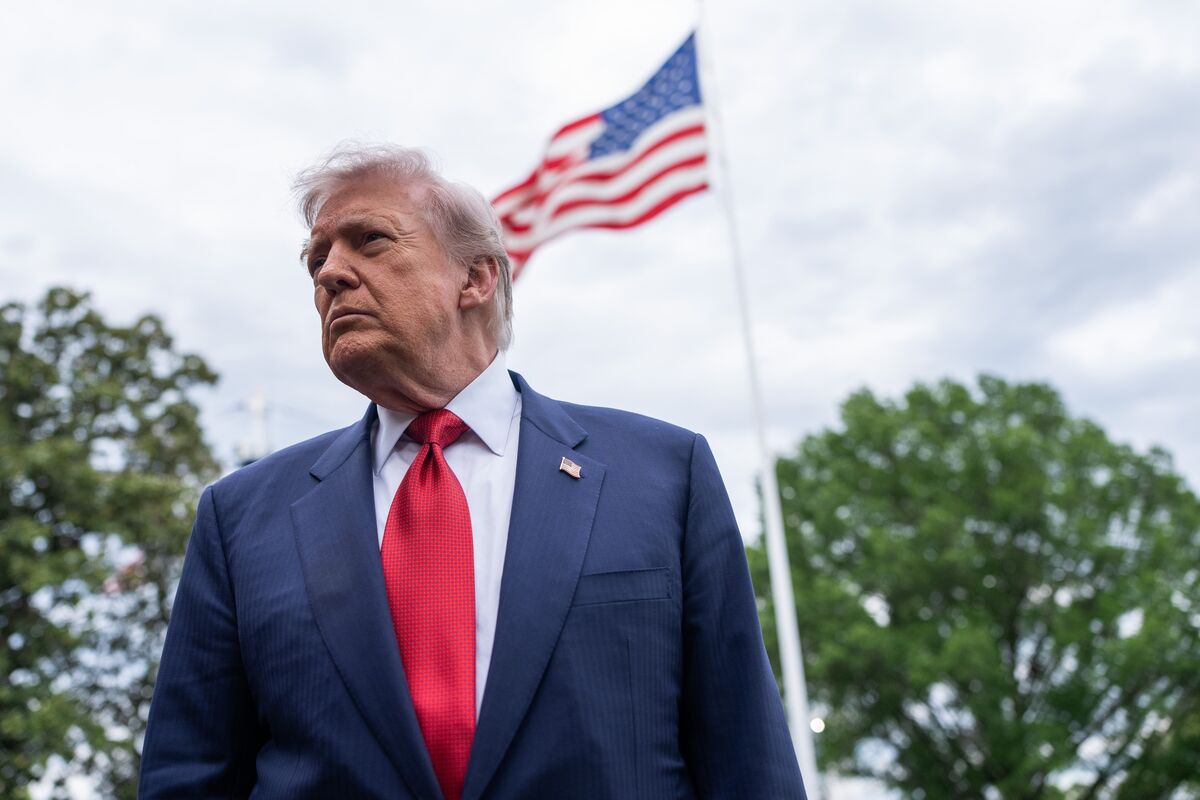
Oil surged after Trump rejected Iran’s latest response to his peace proposal, prolonging the effective closure of the Strait of Hormuz, a critical chokepoint for global crude flows. More than 40 nations are set to meet on military contributions for an escort mission through the waterway once a ceasefire is in place. The escalation raises near-term supply risk and is likely to keep energy markets volatile.
The immediate market read is not just higher crude; it is a repricing of logistics optionality. A prolonged choke-point risk tends to widen the gap between headline oil and delivered energy costs, which means refiners, tanker owners, insurers, and bunker-sensitive transport names can all diverge sharply from upstream producers over the next several sessions. The cleanest second-order effect is on freight: if ship routing or war-risk premia rise, the market will start paying for ton-mile inflation before it fully prices the physical barrel shortage.
The biggest beneficiary set is less obvious than the usual integrated majors. Companies with hard-to-replicate midstream or export infrastructure should see stronger bargaining power, while airlines, chemical producers, and heavy industrials face margin compression even if they have some fuel hedges. That creates a likely cross-asset rotation from consumer-discretionary and cyclical industrials toward defense and energy infrastructure, with the defense basket benefiting from a longer-duration “escort and security” spend narrative that can persist for quarters even if oil retraces.
The catalyst path matters: the next 3-10 trading days are about positioning and headline risk, but the next 1-3 months depend on whether escort capacity actually reduces effective disruption or merely limits panic. If the corridor reopens without a credible security regime, crude can give back a large portion of the move quickly; if escort operations look incomplete, risk premia can remain embedded even with fewer physical incidents. The contrarian view is that the market may be overestimating the persistence of the supply shock and underestimating the speed of diplomatic or military de-escalation once insurance and shipping costs force broader intervention.
GOOGL is mostly a defensive relative winner, not a direct beneficiary: higher energy prices are a tax on ad spend and enterprise budgets, but in a risk-off tape the name can still outperform on quality-factor flows. Any strength there is likely a valuation/defensiveness trade rather than a fundamental earnings revision, so upside should be treated as tactical unless the macro shock proves persistent enough to pressure ad budgets in Q3/Q4.
AI-powered research, real-time alerts, and portfolio analytics for institutional investors.
Request DemoOverall Sentiment
strongly negative
Sentiment Score
-0.60
Ticker Sentiment
